ICA to review Pakistani man's Singapore citizenship after jail and caning sentence
The Immigration and Checkpoints Authority (ICA) will review the citizenship of Muhammad Salman, a Pakistani man who was permanently barred from Singapore in 1998 but re-entered under a false identity in 1999. He was sentenced on 2 October 2025 to three years’ jail and three strokes of the cane.
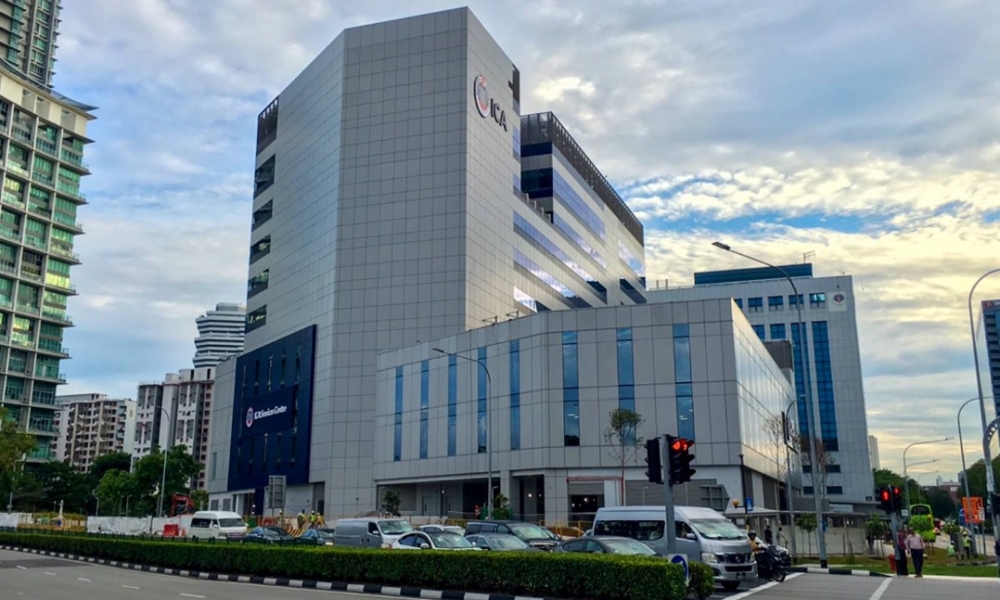

SINGAPORE: The Immigration and Checkpoints Authority (ICA) has said it will review the citizenship of a Pakistani man who entered Singapore under a false identity more than two decades ago.
He was sentenced on 2 October 2025 to three years’ jail and three strokes of the cane.
Muhammad Salman, 46, whose original name is Malik Irfan Arshad, had been permanently barred from Singapore in 1998 after a conviction for cheating and providing false information to a public servant.
According to The Straits Times, he served more than two months in jail before deportation.
Despite the ban, he returned on 19 November 1999 using a new identity.
He went on to establish a family, secure permanent residency, and eventually acquire Singapore citizenship.
On 17 September, Salman admitted in court to re-entering Singapore while under prohibition, entering without a valid pass, and making false statements to obtain permanent residency and citizenship.
Charge sheets revealed he made false declarations on 30 December 2002 and 10 August 2007, leading to approvals for permanent residency and citizenship.
The deception came to light only after Salman was arrested for affray in 2021. Police checks revealed his previous conviction and deportation, prompting investigations into his immigration history.
Fingerprint checks introduced only from 2004 allowed re-entry to go undetected
An ICA spokesman said Salman’s re-entry went undetected as fingerprint registration for deported individuals only began in 2004.
Screening of foreign visitors’ fingerprints was introduced in 2006.
“The biometrics of first-time visitors are captured and compared against records in our database. Individuals who attempt to re-enter Singapore using another identity or passport will be detected,” the spokesman said.
He added that applicants for permanent residency and citizenship now undergo biometric screening to flag previous cases of concern.
ICA emphasised that it takes a serious view of false declarations or concealment of information during applications for immigration facilities.
“We will deal with them firmly. This may include depriving them of or revoking their citizenship or other immigration facilities,” the spokesman stated.
Salman’s lawyer, Teo Choo Kee, told the court his client was remorseful and described his actions as a rash decision made years ago.
He argued that Salman “employed the wrong method” in seeking a better life in Singapore.
“Having come to Singapore under a false identity, he started working and got married. It was in these circumstances that he felt he had little choice but to continue this facade, especially after starting a family,” Teo said.
Under Singapore law, making false statements to obtain citizenship can result in imprisonment of up to two years, a fine of up to S$1,000, or both.
False statements to obtain an entry or re-entry permit can lead to a jail term of up to 12 months, a fine of up to S$4,000, or both.
Entering Singapore despite a ban carries a sentence of between two and four years’ imprisonment, with fines of up to S$6,000.
Entering without a valid pass may also lead to imprisonment of up to six months and at least three strokes of the cane.