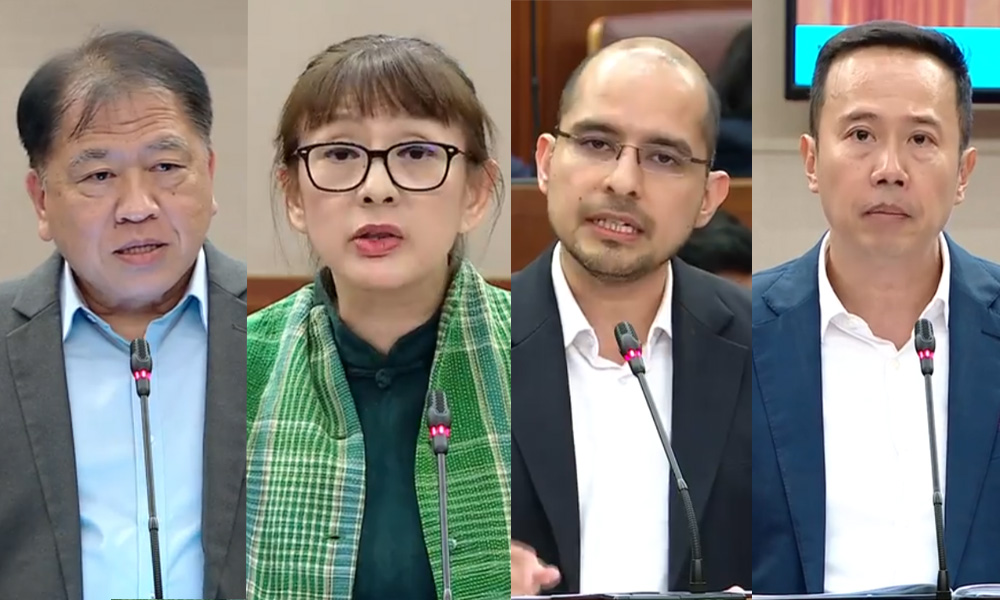
Ravi Philemon questions Ng Chee Meng's dinner with Su Haijin over COVID rules and elite ties

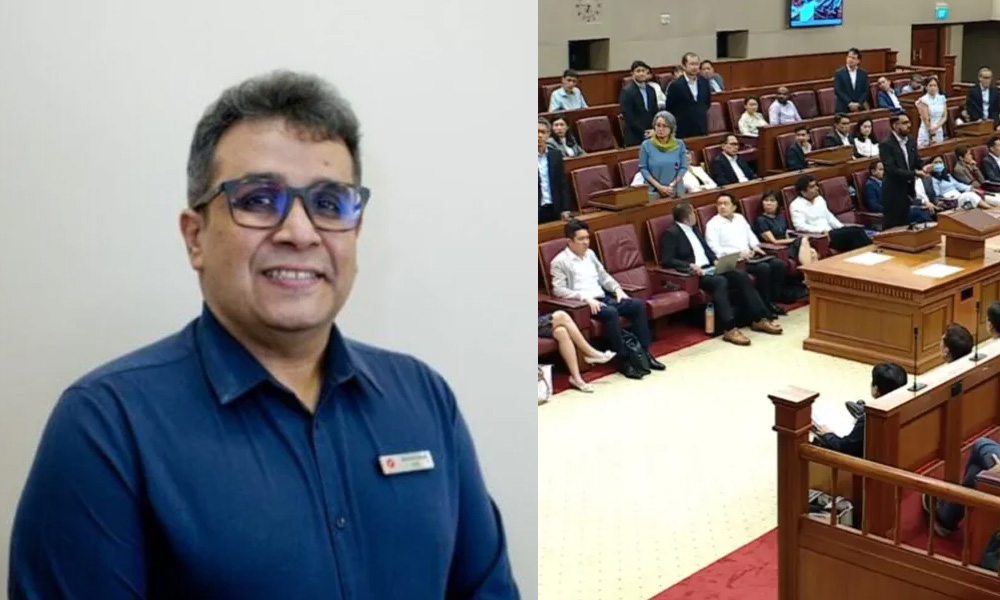
Red Dot United leader Ravi Philemon has questioned the timing and propriety of a dinner attended by Ng Chee Meng, several ministers, and convicted money launderer Su Haijin, raising broader concerns about elitism and unequal accountability in Singapore’s political system.
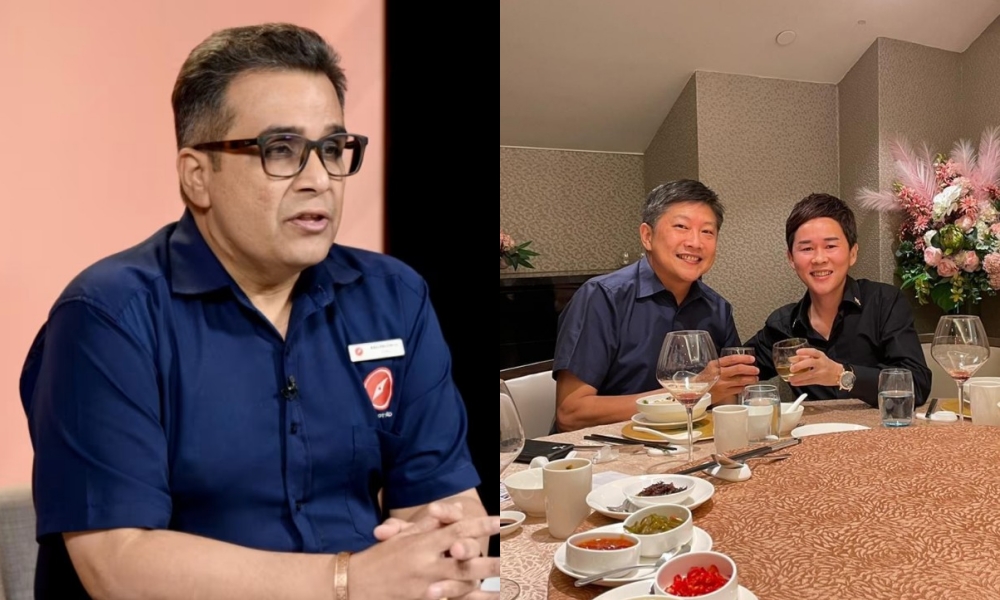
Featured Image
Comments
Google News

Red Dot United (RDU) leader Ravi Philemon has publicly criticised the presence of senior ministers at a dinner attended by convicted money launderer Su Haijin. In a Facebook post on 7 May 2025, Philemon highlighted what he called troubling implications for transparency and trust in governance. The controversy stems from recent viral images that show Su Haijin in social settings with several People’s Action Party (PAP) leaders. Those pictured include Health Minister Ong Ye Kung, Transport Minister Chee Hong Tat, and Jalan Kayu SMC Member of Parliament Ng Chee Meng, who is also Secretary-General of NTUC.
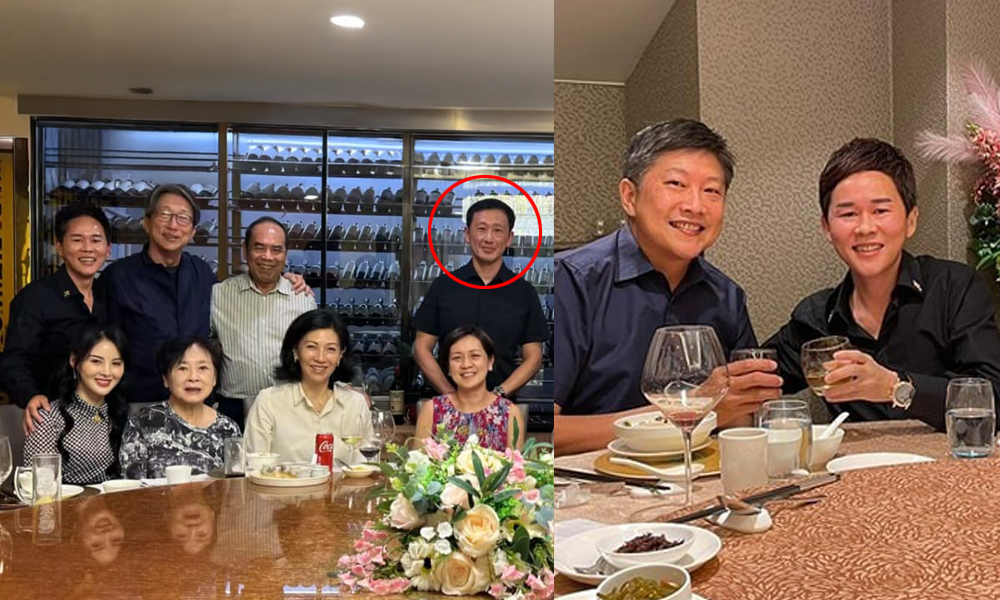
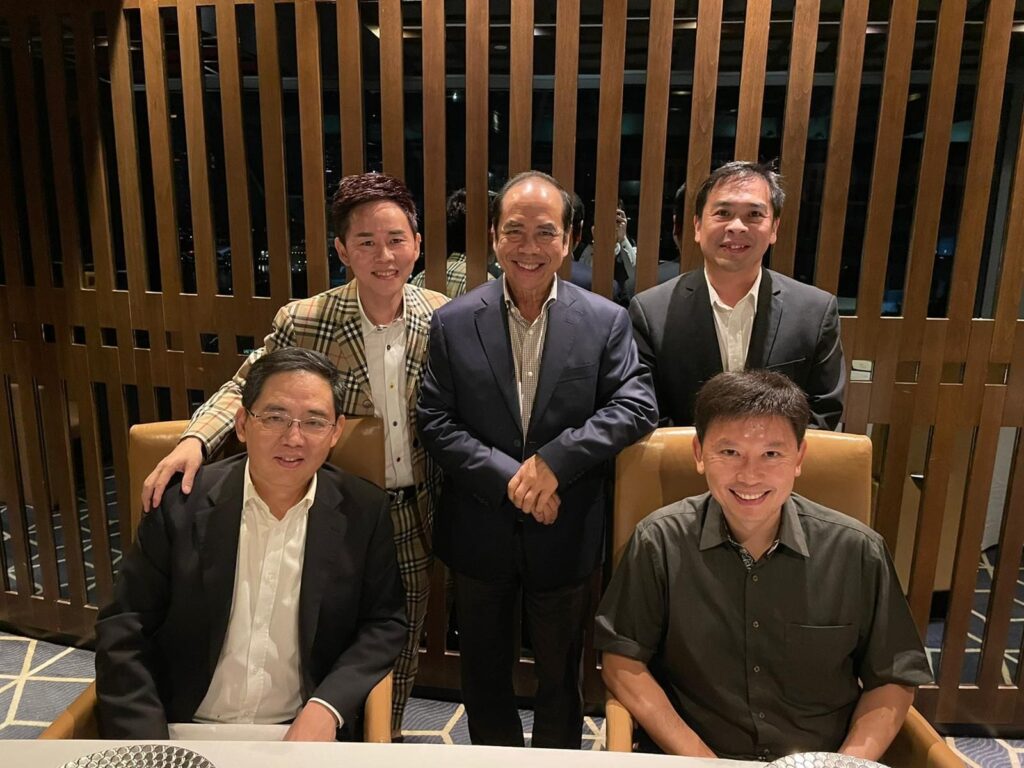
Elite dinner attendees draw public attention

The photos depict Su Haijin dining with political and business elites, including former minister Lim Swee Say, billionaire Oei Hong Leong, businessman Sam Goi, and UOB-Kay Hian Chairman Wee Ee Chao. The setting of the dinner and its timing have now come under particular scrutiny. According to Philemon, while the ministers involved claimed the gathering took place before pandemic-related restrictions came into effect, a photo dated 24 September 2021 was allegedly sent by Su himself. That date fell during a period when COVID-19 restrictions were still active, prompting further questions.
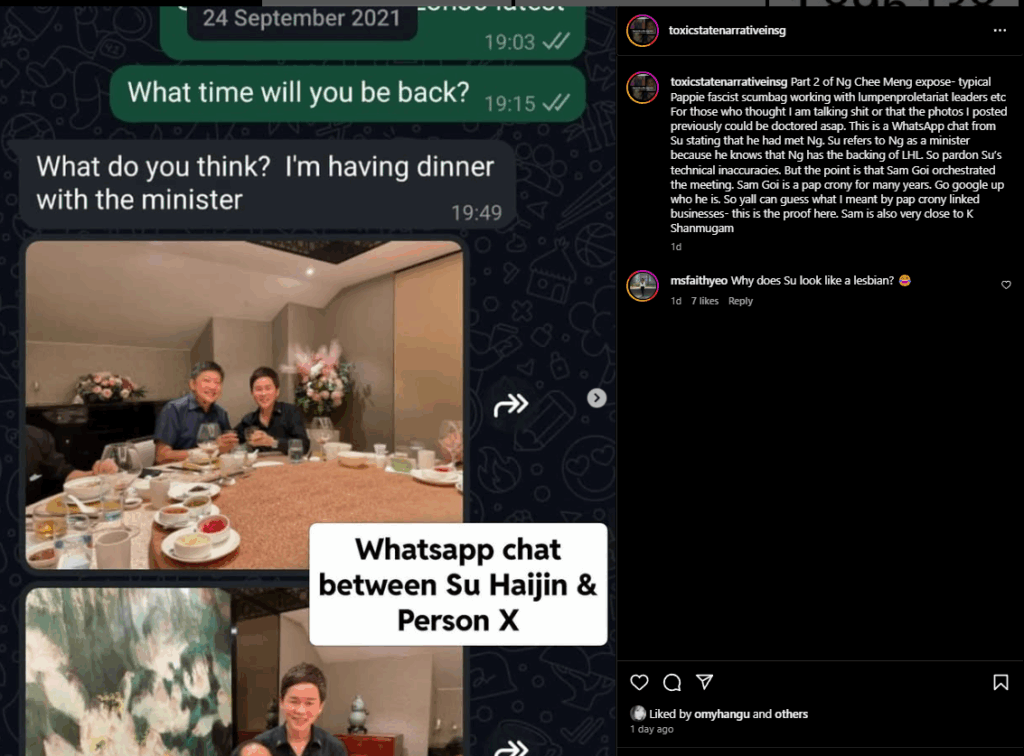
Screenshot of WhatsApp message shared by former Reform Party chairman Charles Yeo on his Instagram, showing a date stamp of 24 September 2021.

Questions over accountability and legal adherence

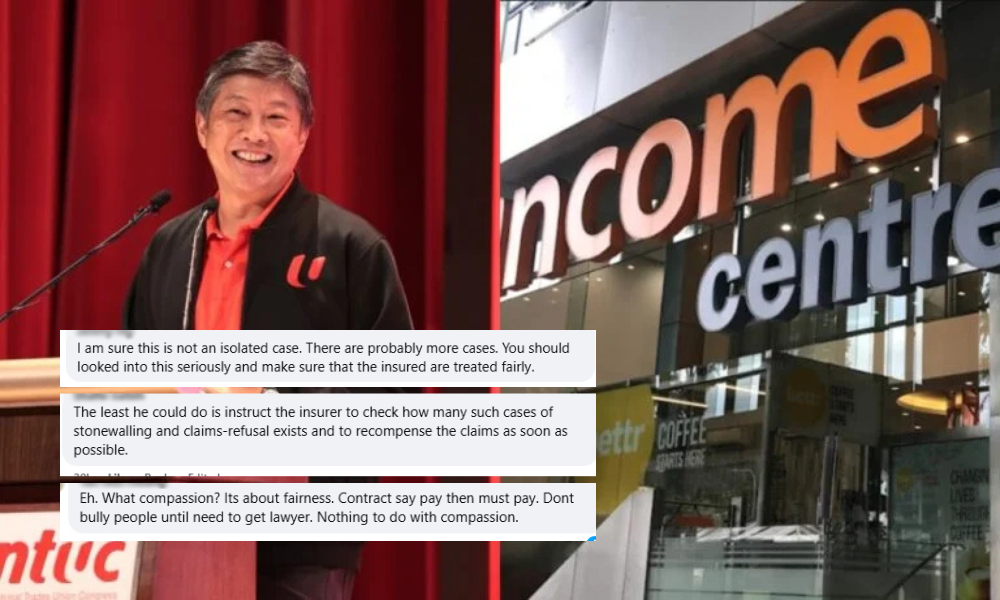
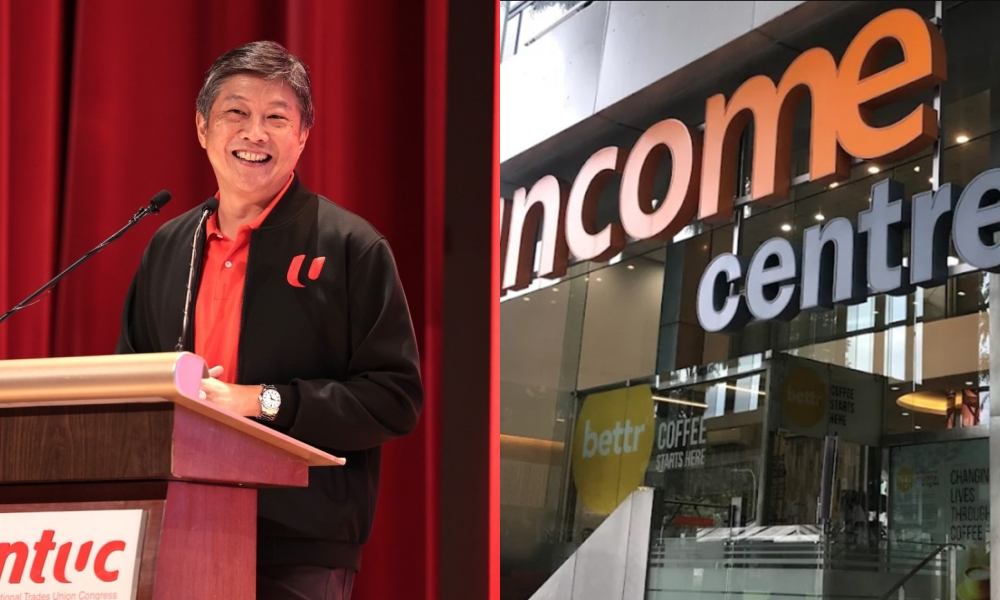
Philemon questioned why, if the dinner had occurred during active restrictions, no action had been taken. “As NTUC Chief, a former Minister, and a former Chief of Defence Force,” he wrote, “Ng would have known the rules. And understood the need to uphold them — especially during a national crisis.” He argued that such actions undermine not only public trust but also the principle of equality before the law. “If these circumstances are true, they raise serious questions about Ng’s regard for the law — and whether Singaporeans truly are equal under it,” Philemon stated.

Broader issue of privilege and policy influence

Philemon emphasised that the controversy was not merely about one dinner. “It’s not just about the rules being broken,” he said. “It’s about who gets to bend them. Who walks away with no consequences?” He suggested that while ordinary citizens face investigations for minor breaches, those in power are shielded by vague statements and silence. Linking the incident to RDU’s platform during the recent General Election, Philemon reiterated the party’s warnings about what it described as an entrenched elite class. He argued that Singapore’s true societal divide lies not in race or religion but in economic and political privilege. “Ministers, industry elites, and even union leaders,” he warned, “are far too closely tied — in what can only be described as an incestuous relationship — with big business and billionaires.” Philemon claimed that this elite network dominates power, finance, and policy, leaving the concerns of everyday citizens underrepresented.

Credit Suisse scandal adds weight to concerns

In his post, Philemon also referred to a recent development involving Credit Suisse Services AG. On the same week as the Su Haijin revelations, the United States Department of Justice announced the bank’s guilty plea to conspiring with wealthy American clients to conceal over US$4 billion in undeclared assets. More than US$2 billion of those funds were reportedly held in Singapore, suggesting the country played a central role in a decade-long global tax evasion scheme. According to the Justice Department, some private bankers in Singapore even fabricated donation records to help clients avoid detection. Philemon stressed that the two incidents — the elite dinner and the Credit Suisse plea — were not separate scandals but interconnected signs of systemic failure. “They reveal a system of proximity, privilege, and protection — one that works brilliantly for the elite, and fails the rest of us,” he wrote. He warned of a compromised regulatory environment, where those responsible for safeguarding public interest are either disengaged or too entangled with the wealthy to act independently.

Call for public vigilance and reform

Although Philemon acknowledged that RDU’s warnings during the general election went largely unheeded, he insisted the party would continue speaking out. “We’re not here to say ‘we told you so,’” he said. “But we are here to remind you — we were the ones who spoke up.” He called on the public to ask difficult questions about the fairness of the system, such as who gets invited to private events, who declares offshore assets, and who is held accountable. Despite its relatively small political footprint, RDU pledged to keep demanding accountability and structural change. “Red Dot United will keep holding the line,” Philemon concluded. “But real change begins when more Singaporeans start asking the same questions we’ve been asking all along.” He urged citizens not to wait for the next scandal before taking a closer look at power structures. “Singapore deserves better,” he wrote. “And this is the only home we have.”