Workers' Party's Harpeet Singh challenges DPM Gan Kim Yong over role in failed Income-Allianz deal
Workers' Party candidate Harpeet Singh called on Deputy Prime Minister Gan Kim Yong to answer questions in response to questions raised by former NTUC Income CEO Tan Suee Chieh about his role in the failed Income-Allianz deal, highlighting accountability concerns ahead of Singapore's General Election 2025.
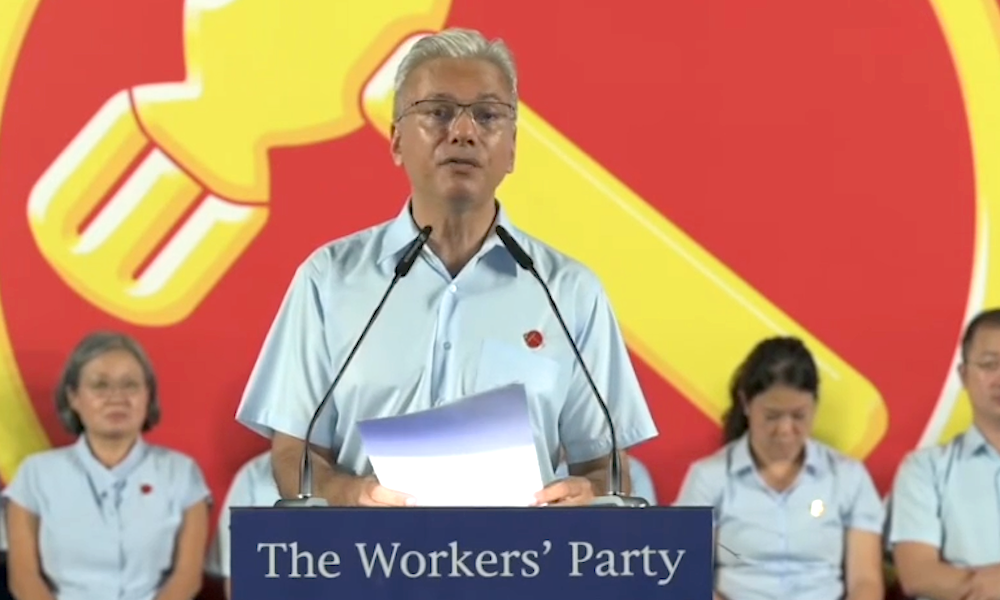

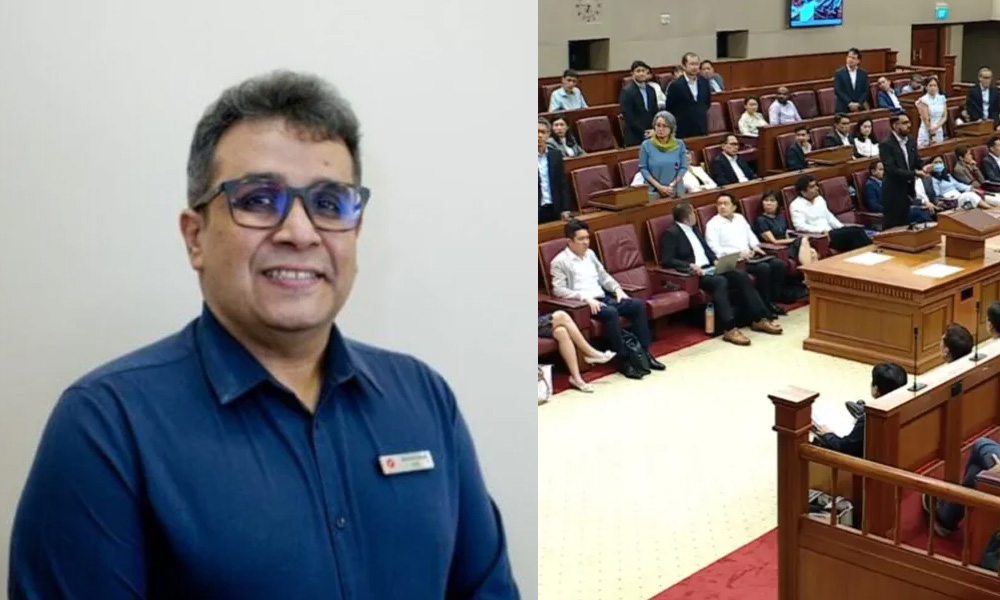
Workers' Party (WP) candidate Harpeet Singh has issued a pointed challenge to his opponent, Deputy Prime Minister (DPM) Gan Kim Yong, calling for greater transparency over Gan’s involvement in the cancelled Income-Allianz deal.
Addressing residents of the Punggol Group Representation Constituency (GRC) during his rally speech on Monday (28 April), Singh stressed the need for "fair politics and accountability" in Singapore’s leadership.
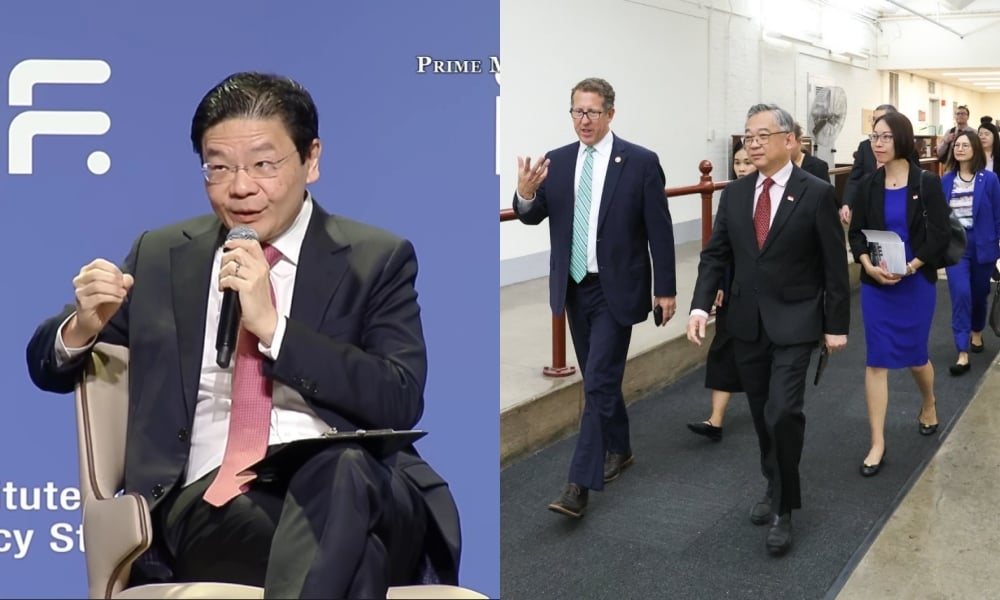
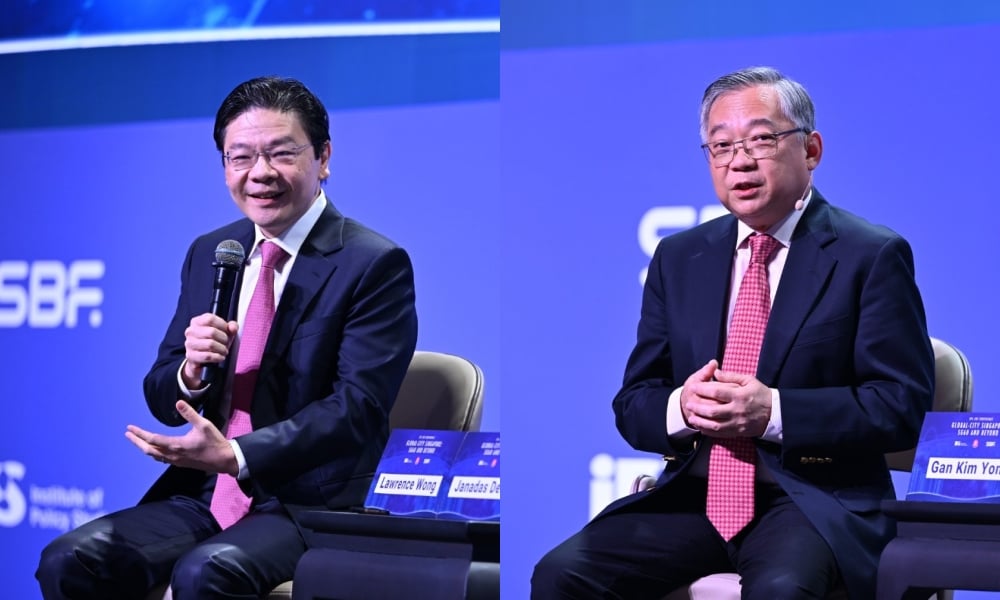
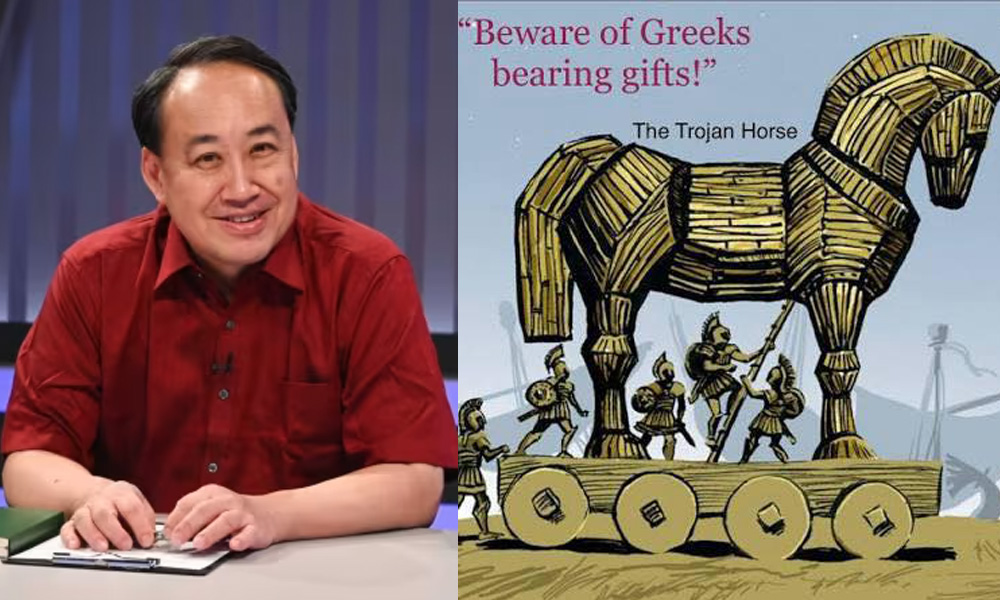
The senior counsel argued that critical questions raised by former NTUC Income CEO Tan Suee Chieh must be answered by DPM Gan, who is leading the People’s Action Party (PAP) team in Punggol GRC for the General Election 2025.
In an open letter dated 28 April 2025, Tan called for DPM Gan to disclose his role in the deal, citing concerns about regulatory oversight and the strategic direction of NTUC entities.
Tan’s letter, widely circulated on social media, marked his fourth attempt to seek accountability from Gan, following three earlier letters sent between August and September 2024.
Tan highlighted that as Chairman of both the Monetary Authority of Singapore (MAS) and the Singapore Labour Foundation (SLF), Gan was at the centre of decisions with significant implications for NTUC Income’s social mission.
He raised questions about why MAS permitted Allianz to proceed without injecting new capital and why it allowed the stripping of US$1.85 billion in cash reserves from Income Insurance in the failed S$2.2 billion Income-Allianz transaction.
Tan further queried whether MAS knowingly enabled the transaction without sufficient protections for Income’s cooperative principles or social objectives.
He noted a troubling silence from MAS amid growing public concern in 2024, even as ministers such as K Shanmugam appeared unaware of critical internal developments.
The letter also questioned governance practices across NTUC-linked entities, criticising the dilution of SLF’s shareholding in NTUC Enterprise from 30% to 20% in 2021.
Tan suggested that such moves weakened government influence over socially significant enterprises and demanded greater transparency from leaders overseeing them.
He also warned of conflicts of interest arising from leaders holding multiple senior roles across NTUC Enterprise, Income Insurance, and SLF, potentially compromising independent decision-making.
Singh echoed these concerns during his speech, stating that real leadership “never fears scrutiny” and welcomes difficult questions as part of the democratic process.
He directly called on Gan to either answer the questions posed by Tan or explain why he would not, asserting that such accountability was essential for restoring public trust.
Singh also criticised NTUC Secretary-General Ng Chee Meng, who is contesting in Jalan Kayu SMC, claiming that Ng had “dropped the ball” by supporting the transaction without identifying critical issues later raised by Tan.
Observers note that the controversy around the failed deal and Gan’s regulatory oversight could be a key issue influencing voters in Punggol GRC during this election cycle.
Gan, who previously served in Chua Chu Kang GRC, shifted to Punggol in a last-minute transfer, having earlier been expected to defend Chua Chu Kang, where he had served for the past two decades.
While DPM Gan has yet to formally respond to Tan's latest letter, PAP representatives have previously defended the transparency and governance standards of NTUC entities.
However, Tan’s persistent public letters and Singh’s fresh political challenge have amplified calls for greater clarity from the highest levels of leadership.
As Singaporeans prepare to vote, issues of transparency, governance, and political accountability are likely to weigh heavily on the minds of many, especially in closely contested constituencies like Punggol GRC.