Constitutional Court removes President Yoon Suk Yeol from office over martial law declaration
South Korea's Constitutional Court has upheld the impeachment of President Yoon Suk Yeol, removing him from office over his martial law declaration in December. A snap presidential election is expected by 3 June.
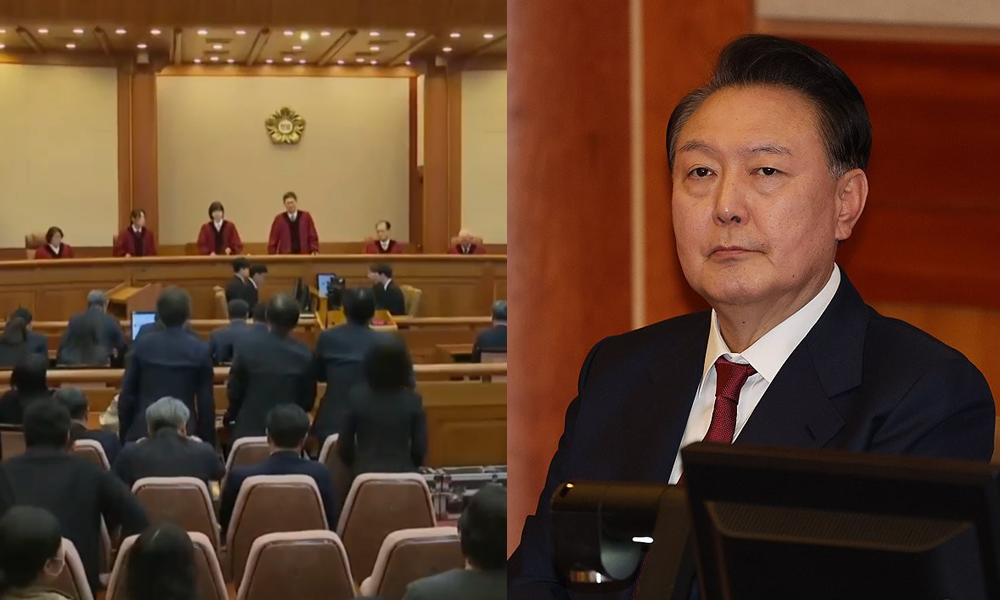

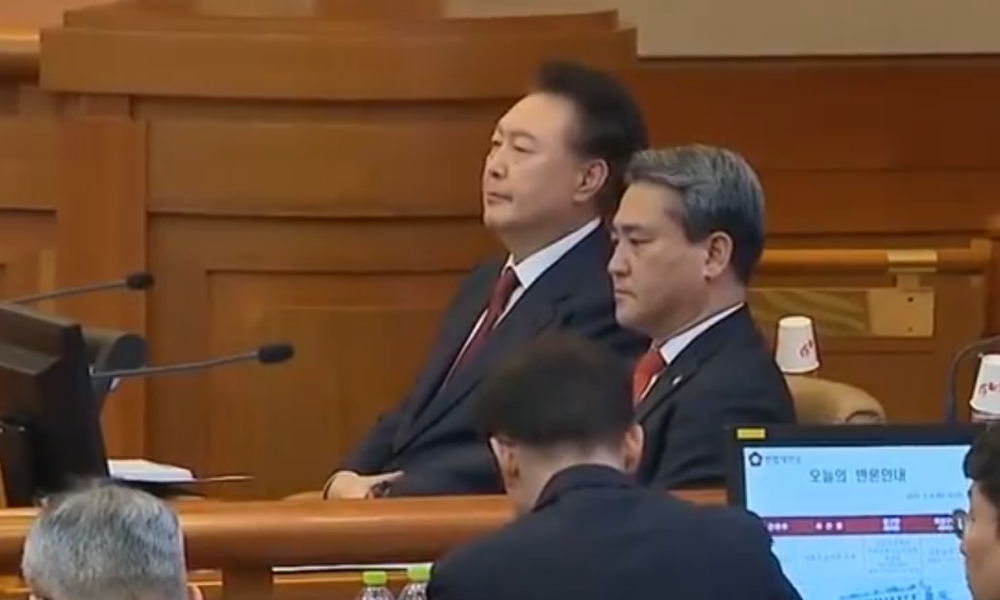
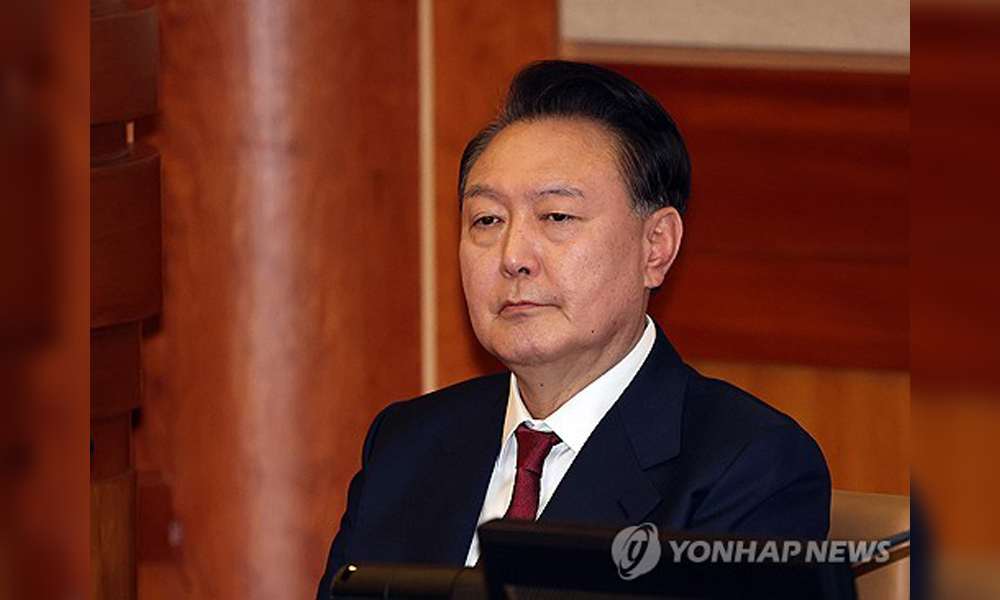
South Korea’s Constitutional Court upheld the impeachment of President Yoon Suk Yeol on Friday, 4 April 2025, in a landmark ruling that removes him from office.
The decision came in response to Yoon’s declaration of martial law in December 2024.
The verdict, delivered by acting court chief Moon Hyung-bae and broadcast live, took immediate effect.
As mandated by the Constitution, South Korea must now hold a snap presidential election within 60 days, with many observers anticipating a polling date of 3 June 2025.
Yoon was impeached by the opposition-controlled National Assembly on 14 December 2024.
He faced charges of violating the Constitution and national laws by declaring martial law on 3 December, deploying troops to the legislature, and attempting to arrest lawmakers.
The court’s ruling concluded a politically charged four-month process that has deeply affected the country’s institutions and public trust.
The impeachment saga, which included Yoon’s arrest and release, has had significant political, economic, and social consequences.
According to court proceedings, the impeachment motion focused on five major actions.
These included Yoon’s unilateral declaration of martial law, drafting the decree, military deployment to the National Assembly, raiding the National Election Commission, and ordering the arrest of politicians.
Under the South Korean Constitution, an impeachment motion requires support from at least six of the eight Constitutional Court justices.
The court determined that Yoon’s actions represented grave violations of democratic principles and constitutional governance.
Although Yoon denied all allegations, he did not attend the court session due to concerns about public order and security.
His legal team maintained that his actions were a warning to the opposition, which he accused of legislative overreach.
The court took 38 days following the final hearing on 23 January to deliver its verdict—marking the longest deliberation for a presidential impeachment in South Korean history.
In comparison, the court ruled in 14 days on President Roh Moo-hyun’s case in 2004 and in 11 days on President Park Geun-hye’s case in 2017.
Beyond impeachment, Yoon is also the subject of a separate criminal trial. Prosecutors have charged him with inciting insurrection, based on the same martial law incident.
He was arrested in January and held at a detention facility until 8 March, when the court ruled his detention unlawful and ordered his release.
The impeachment has triggered a period of political uncertainty. The presidential office is now vacant, and an acting leader is expected to be appointed until a successor is elected.
The National Election Commission has indicated that preparations for the snap election are underway, with formal procedures to be announced in the coming days.
Yoon’s removal from office marks a rare moment in global democratic governance, where a sitting president was impeached and dismissed for attempting to use military power to influence legislative processes.
Analysts have called the court's decision a reaffirmation of constitutional checks and balances.
According to Yonhap News, political observers are closely watching how the ruling will affect the upcoming election and the country’s fragile political stability.
As South Korea moves toward electing a new president, public attention is turning to potential candidates and the country’s ability to heal from the divisive episode.