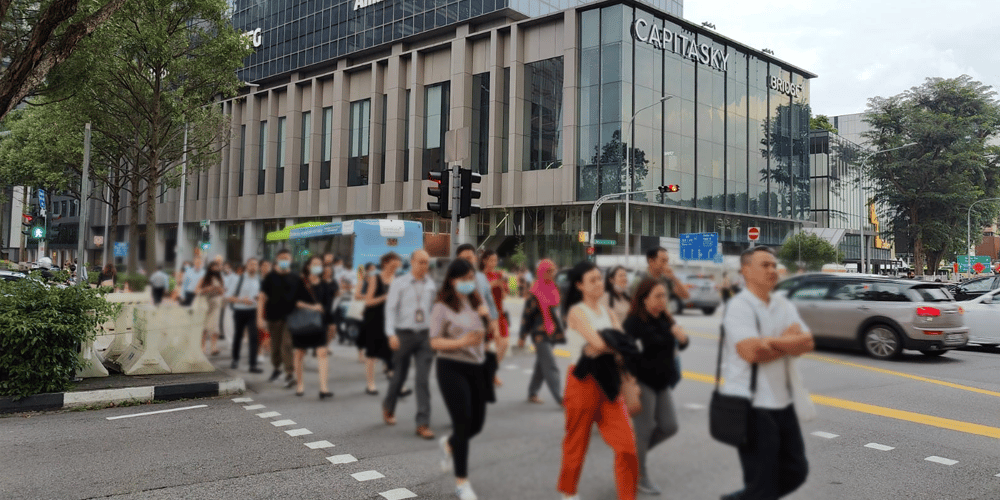
Singapore ranks 34th in 2025 World Happiness Report, as Finland retains top spot
Singapore ranks 34th in the 2025 World Happiness Report, while Finland remains the world's happiest country for the eighth consecutive year, with Nordic nations dominating the rankings due to strong social trust, high-quality welfare systems, and low inequality. The report also reveals that economic prosperity alone does not guarantee happiness—social cohesion and work-life balance matter significantly.
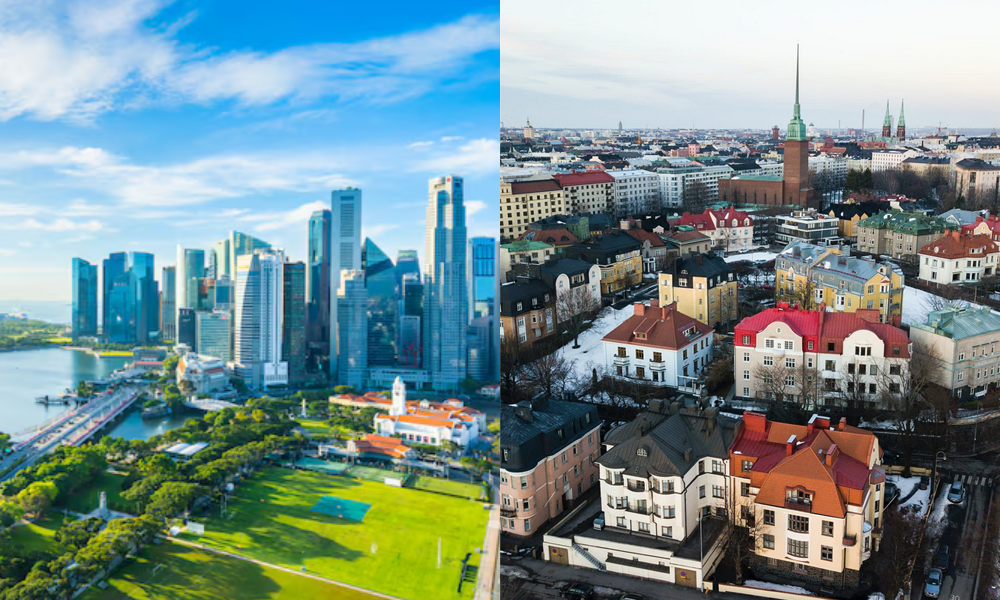

Singapore has been ranked 34th in the latest World Happiness Report 2025, a study that assesses well-being across more than 140 countries based on key factors such as income, social trust, and quality of life.
Finland continues to dominate the rankings, holding the No. 1 position for the eighth consecutive year, while Malaysia sits further down the list at 64th and Indonesia at 83rd.
The findings, published in conjunction with the United Nations International Day of Happiness on 20 March, highlight an ongoing trend: the world’s happiest countries are not necessarily the wealthiest but rather those with strong social support systems, high institutional trust, and an emphasis on well-being over economic success.
Nordic nations continue to lead global happiness rankings
At the top of the rankings, Finland, Denmark, and Iceland once again claim the first three spots, followed closely by Sweden and the Netherlands.
- Finland
- Denmark
- Iceland
- Sweden
- Netherlands
- Costa Rica
- Norway
- Israel
- Luxembourg
- Mexico
These nations consistently perform well due to their low levels of corruption, high social trust, and strong welfare policies that ensure citizens have access to healthcare, education, and support in times of need.
Costa Rica and Mexico make a surprise entry into the top 10, demonstrating that happiness is not solely tied to GDP per capita. Instead, a strong sense of community, optimism, and confidence in leadership contribute to their high rankings.
Singapore: Economic strength but gaps in social connection?
While Singapore remains one of the highest-ranked nations in Asia, its placement at 34th suggests that financial prosperity does not necessarily translate to higher happiness levels.
It ranks as the second happiest country in Asia, behind Taiwan (27th), making it one of the region's most content nations despite not breaking into the global top 30.
The city-state ranks high in governance and social trust, securing 9th place globally in police assistance for returning lost wallets—a sign of strong institutional reliability.
Additionally, Singapore ranks 14th in charitable giving and 32nd in volunteerism, reflecting a high level of civic responsibility.
Yet, despite these strengths, Singapore falls behind in work-life balance, social cohesion, and perceptions of well-being.
The report suggests that while the nation excels in economic performance and safety, happiness is also deeply tied to community engagement, leisure time, and personal freedoms—areas where Nordic nations score higher.
Malaysia, ranked 64th, presents a more complex picture. The nation scores well in generosity, placing 19th in charitable donations and 28th in volunteerism.
However, the report indicates that economic uncertainty, governance concerns, and limited social trust contribute to its lower overall life evaluations.
As for Indonesia, ranked 83rd, it reflects a nation with strong generosity but ongoing economic and governance challenges. The country ranks 1st globally in donating and volunteering, demonstrating a strong culture of communal support and religious giving.
However, despite its high levels of generosity, Indonesia struggles with low GDP per capita, governance concerns, and infrastructure challenges, all of which impact overall life satisfaction.
Key questions raised by the report
The 2025 World Happiness Report challenges some traditional assumptions about well-being and raises several thought-provoking questions:
🔹 Does economic success automatically lead to happiness?
- The report suggests that GDP alone is not a reliable predictor of happiness. Singapore’s low tax rates and financial stability do not necessarily result in a higher quality of life when factors like stress, social interaction, and personal fulfillment are taken into account.
🔹 How important is social trust in determining happiness?
- The happiest nations, particularly in Scandinavia and parts of Latin America, report high levels of trust in both government institutions and fellow citizens. Countries where people feel safe, supported, and valued tend to score higher in life satisfaction.
🔹 What can be done to improve happiness rankings?
- The report highlights policies that prioritise well-being over economic output—such as shorter work hours, better mental health support, and social inclusion initiatives. Could Singapore and Malaysia adopt similar measures to improve their rankings?
Beyond the numbers: The real meaning of happiness
One of the report’s key insights is that people are often happier than they think their fellow citizens are. Acts of kindness, generosity, and social support—such as returning lost wallets, helping a stranger, or volunteering—are more common than expected. The study suggests that if people recognised this reality, they might feel more optimistic about society.
The Singapore paradox
Singapore’s high economic standing and strong public institutions make it one of the most well-run countries in the world, yet its happiness ranking remains below expectations.
The findings suggest that a thriving economy alone does not ensure well-being—social interaction, work-life balance, and a sense of belonging are just as important.
The question remains: can Singapore evolve beyond its economic focus to embrace policies that enhance everyday happiness?