Rodrigo Duterte arrested in Manila on ICC warrant over drug war deaths
Former Philippine president Rodrigo Duterte was arrested on 11 March 2025 at Manila’s international airport on an International Criminal Court (ICC) warrant for crimes against humanity over his deadly war on drugs. The arrest follows a shift in President Ferdinand Marcos Jr’s stance, signalling compliance with the ICC.
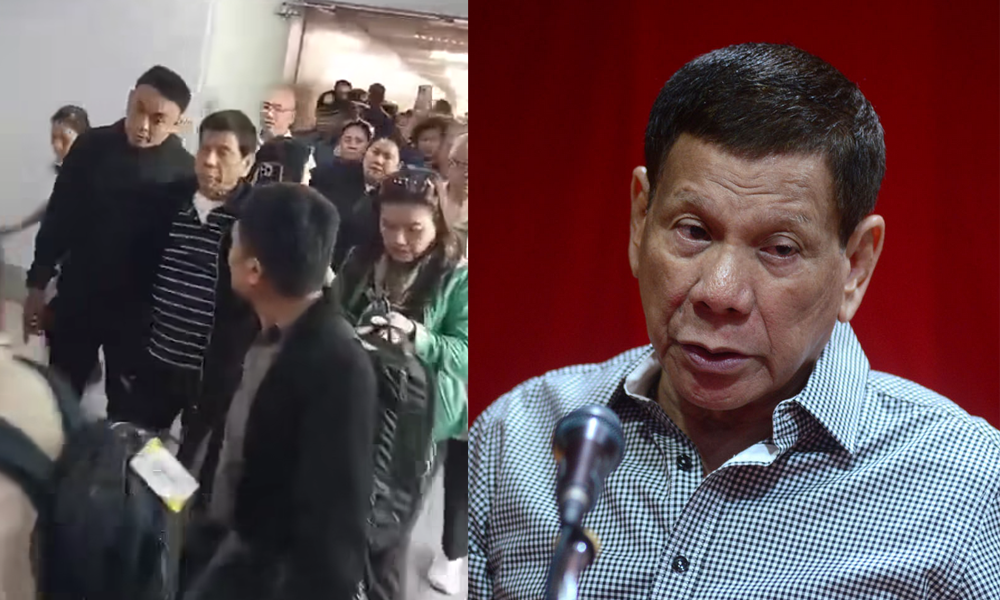

Former Philippine president Rodrigo Duterte was arrested on 11 March 2025 at Manila’s international airport on an International Criminal Court (ICC) warrant for crimes against humanity, according to a statement from the presidential palace.
The arrest comes in connection with his administration’s bloody war on drugs, which saw thousands of alleged drug suspects killed.
The warrant was received by Interpol Manila early in the morning, and Duterte was taken into custody upon landing from Hong Kong.
The Philippine National Police (PNP), with an Interpol representative, executed the arrest inside the airport and escorted him through a back exit before he was transported in a police van along with his common-law wife, Honeylet Avanceña.
Duterte, 79, had been in Hong Kong for a campaign event with his political party’s senatorial candidates. Just a day before his arrest, he publicly stated that he was ready to be detained if the ICC issued a warrant.
His unannounced trip to the city had sparked speculation that he was attempting to evade arrest.
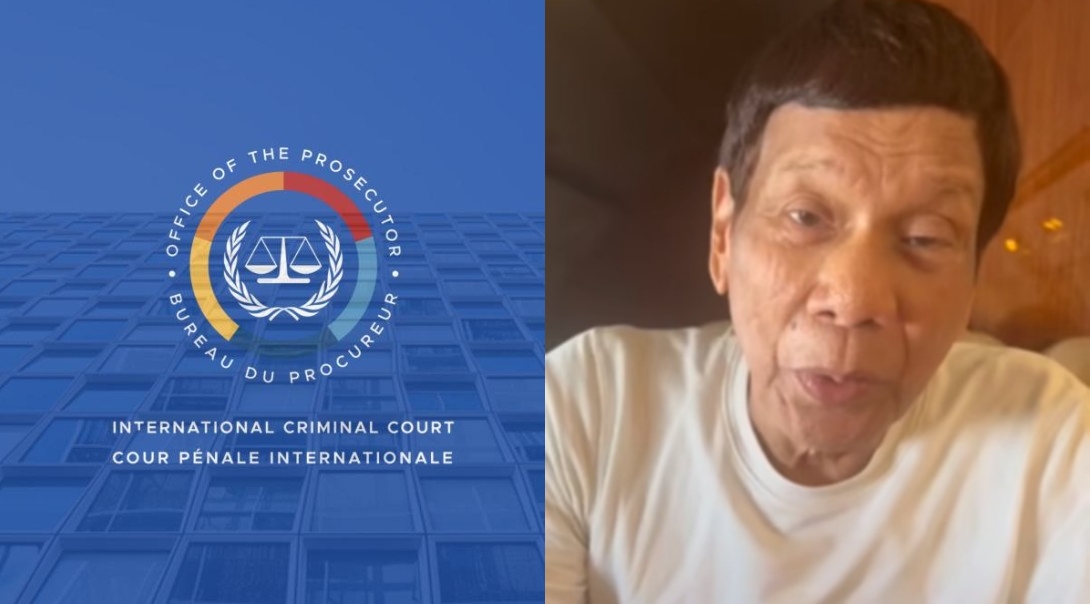
The ICC has been investigating extrajudicial killings that took place under Duterte’s anti-drug campaign, which he launched after winning the presidency in 2016.
Official police figures estimate that over 6,000 drug suspects were killed, but human rights groups argue the death toll could be between 12,000 and 30,000, alleging that many deaths were the result of police and vigilante executions. Most victims were men from poor, urban areas who were shot dead in the streets.
Duterte’s administration withdrew the Philippines from the ICC in 2019, arguing that the court had no jurisdiction over domestic affairs. However, the tribunal maintains that it can prosecute crimes committed before the country’s withdrawal.
Its probe, led by prosecutor Karim Khan, has focused on killings between 2016 and 2019 but also includes alleged crimes committed from November 2011 to June 2016 in Davao City, where Duterte was mayor before becoming president.
During this period, Duterte was accused of tolerating or enabling a wave of extrajudicial killings.
The arrest marks a significant shift in the stance of President Ferdinand Marcos Jr, who initially dismissed the ICC’s jurisdiction but later signalled cooperation with the tribunal.
Tensions between the Duterte and Marcos camps intensified after Vice President Sara Duterte, Duterte’s daughter, was impeached in February 2025. She faces trial in July over allegations of misusing public funds and making an assassination threat against Marcos.
Duterte, known for his firebrand rhetoric, recently accused Marcos of drug use in his campaign speeches—a charge Marcos has repeatedly denied.
The political rift appears to have influenced the current administration’s decision to comply with the ICC’s directive.
The ICC lacks its own enforcement mechanism and relies on cooperation from member states and Interpol.
To facilitate Duterte’s arrest, the court issued a diffusion request to Interpol, seeking its assistance.
The PNP’s decision to act on the warrant suggests a departure from the previous administration’s staunch opposition to the ICC.
Despite his arrest, Duterte remains defiant. Speaking in Hong Kong before his return, he maintained that his drug war was justified.
“Assuming (the warrant is) true, why did I do it? For myself? For my family? For you and your children, and for our nation,” he said. “If this is truly my fate in life, it’s OK, I will accept it. They can arrest me, imprison me.”
Duterte’s war on drugs was a defining policy of his presidency. On the campaign trail in 2016, he vowed to kill thousands of drug dealers, even stating that bodies would be dumped in Manila Bay to feed the fish.
His administration maintained that the crackdown was necessary to curb drug-related crime, but human rights organisations accused police and vigilantes of executing suspects without due process.
Duterte is expected to remain in custody while the legal process unfolds.
It remains unclear whether the Philippine government will extradite him to The Hague, but his arrest is a significant step in the ICC’s pursuit of accountability for alleged human rights abuses.