Shanmugam: Singapore working to expedite extradition of Indonesian businessman Paulus Tannos

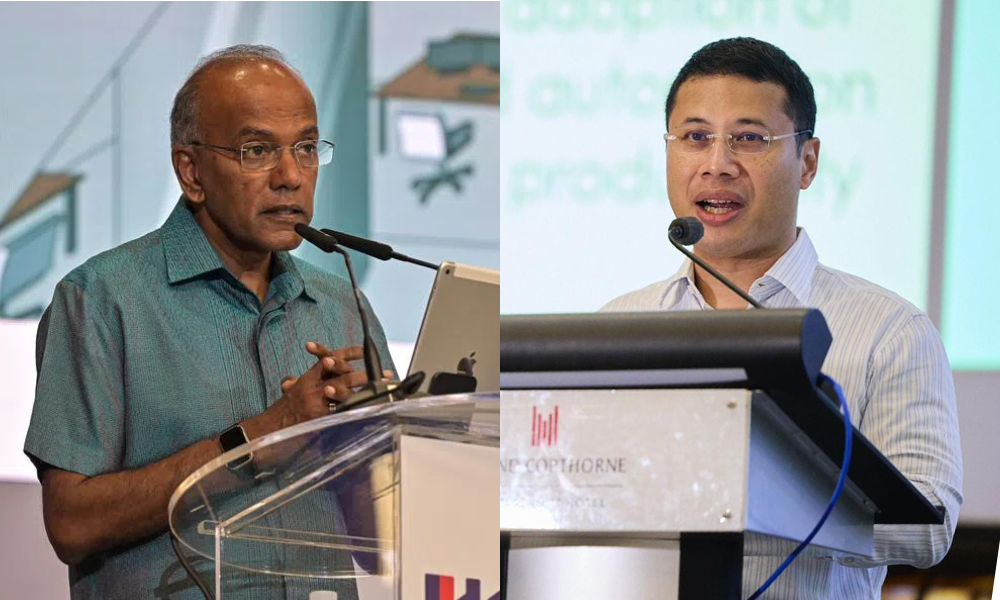
Singapore is expediting Indonesia’s extradition request for businessman Paulus Tannos, accused of corruption linked to an electronic ID card project. Law and Home Affairs Minister K Shanmugam on 10 March stated that the process is under legal review, with hearings expected as Tannos contests extradition under the Singapore-Indonesia treaty.
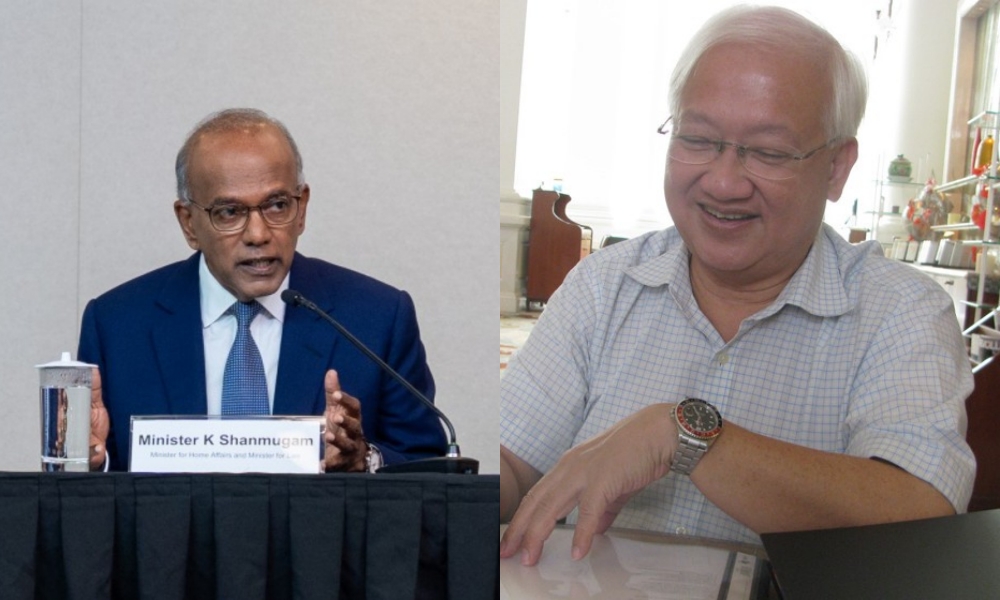
Featured Image
Comments
Google News

Singapore: Singapore is working to expedite Indonesia’s request for the extradition of businessman Paulus Tannos, who is at the centre of a corruption case linked to Indonesia’s electronic ID card project. Law and Home Affairs Minister K Shanmugam confirmed this on Monday (10 March), noting that the case is the first under the Singapore-Indonesia extradition treaty, which came into force in March 2023. Tannos, also known as Tjhin Thian Po, was named a suspect by Indonesian authorities in 2019 for his alleged involvement in rigging a tender and embezzling 140 billion rupiah (US$8.9 million) from the project between 2011 and 2013. The project resulted in losses of approximately 2.3 trillion rupiah (US$140 million) to the Indonesian state.

Tannos’ Arrest and Detention in Singapore

Having lived in Singapore since 2017 as a permanent resident, Tannos was arrested by the Corrupt Practices Investigation Bureau (CPIB) on 17 January 2025 and remains in remand without bail. The extradition request is currently under review by Singapore’s Attorney-General’s Chambers (AGC) and other agencies. Shanmugam emphasised that the speed of the case depends on Indonesia’s documentation, the arguments presented by Tannos’ legal team, and the Singapore court’s handling of the matter. He assured that the government is committed to expediting the process while ensuring due legal procedures are followed. Singapore first received Indonesia’s request to arrest Tannos on 19 December 2024. Following an assessment by the CPIB and AGC, authorities determined that the request met the conditions of the extradition treaty. A warrant for his arrest was issued and executed on 17 January 2025. A key complication arose when Tannos presented a diplomatic passport from Guinea-Bissau. However, the Singapore government, based on AGC’s advice, ruled that this does not grant him diplomatic immunity, as he is not accredited with Singapore’s Ministry of Foreign Affairs. On 24 February 2025, Indonesia submitted its formal extradition request along with the necessary documents. The AGC is currently reviewing these materials before the case returns to court for the extradition order process.

Expected timeline and legal hurdles

Shanmugam noted that if Tannos does not contest the extradition, the process could be completed in six months or less. However, since Tannos has indicated he will challenge the extradition, the timeline is likely to extend significantly. “The full legal process, if contested at every step, can take up to two years,” Shanmugam explained. “It is not as simple as putting him on a plane and sending him back. There are formal legal procedures to follow.” The court will now determine a hearing date for submissions from both parties. Tannos is expected to seek more time for his legal team to prepare his case. Should the court rule in favour of extradition, he retains the right to appeal, potentially extending the timeline further.

Tannos placed on Indonesia’s most-wanted list

Shanmugam reiterated that Singapore is fully committed to upholding its extradition obligations. The Ministry of Law, in a media release, stated that the government “will do all possible under the law to facilitate the request for Tannos’ extradition.” Singapore has extradition agreements with multiple jurisdictions, including Indonesia, Germany, Hong Kong, Malaysia, and the United States. However, each case requires thorough legal review to ensure compliance with treaty obligations. “Our agencies are assessing the case carefully, and the AGC is working to expedite the process,” Shanmugam said. “We take this matter very seriously.” While extradition cases are often complex, this case is seen as a test of the newly enforced Singapore-Indonesia extradition treaty. Indonesian authorities have been pursuing Tannos since he was placed on the country’s most-wanted list in 2021 for failing to cooperate with anti-corruption investigations.

Share This