Median gross wage of Singapore citizen & PR security officers rose 19.2% since PWM implementation: Zaqy
The median gross wage of full-time security officers has risen by 19.2% since the Progressive Wage Model's 2016 rollout, said Senior Minister of State for Manpower Zaqy Mohamad in Parliament. Responding to MP Gerald Giam, he assured that security officers remain protected under the Police Licensing and Regulatory Department (PLRD) regulations, which cap overtime at 72 hours monthly to prevent excessive workload.
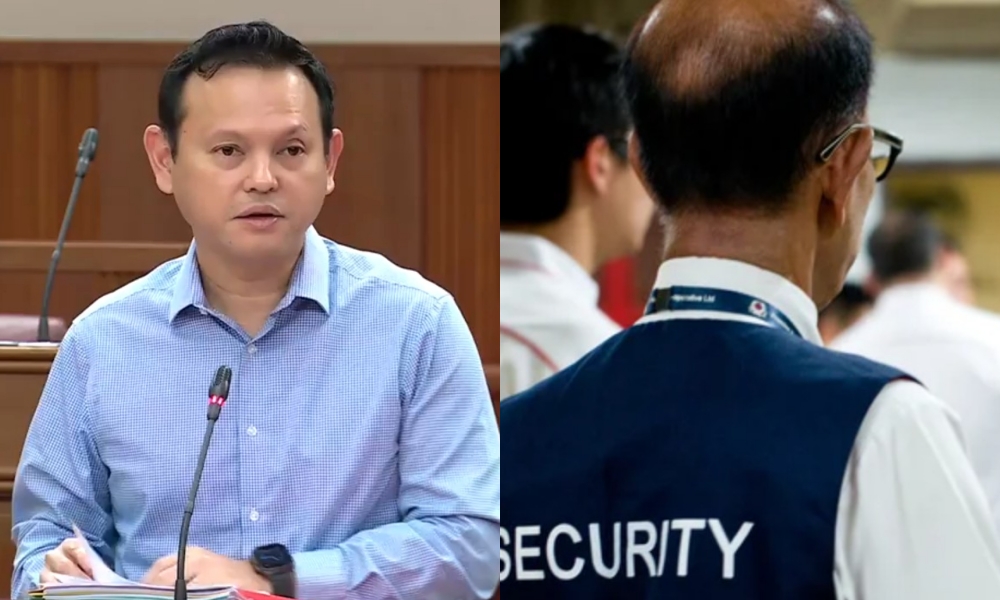

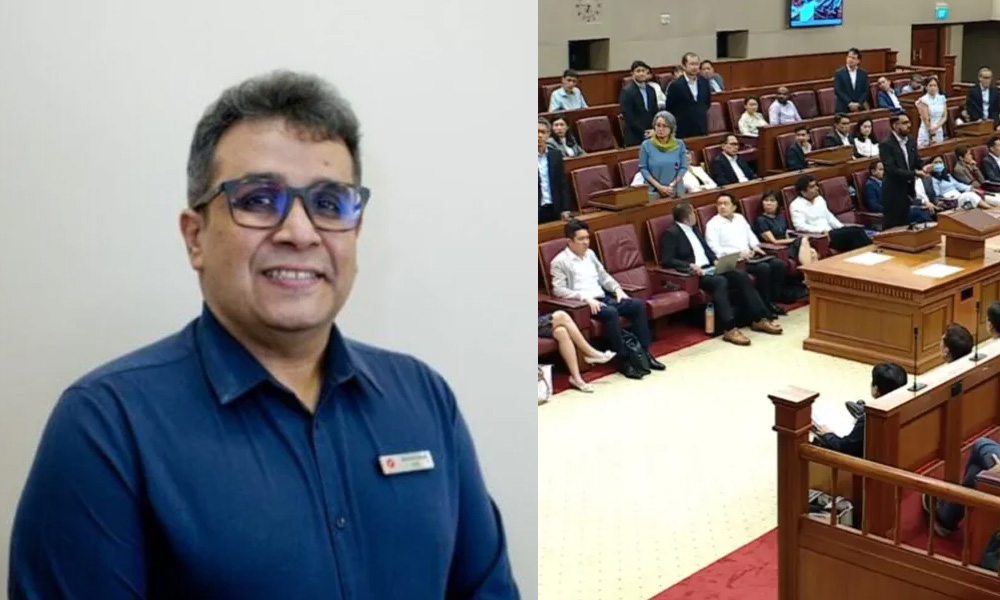
SINGAPORE: The median gross wage of full-time security officers—comprising Singapore citizens and Permanent Residents—has increased by 19.2% cumulatively since the implementation of the Progressive Wage Model (PWM) in 2016, said Senior Minister of State for Manpower Zaqy Mohamad in Parliament on 10 March.
Zaqy added that security officers have not been disadvantaged in terms of maximum allowable overtime hours.
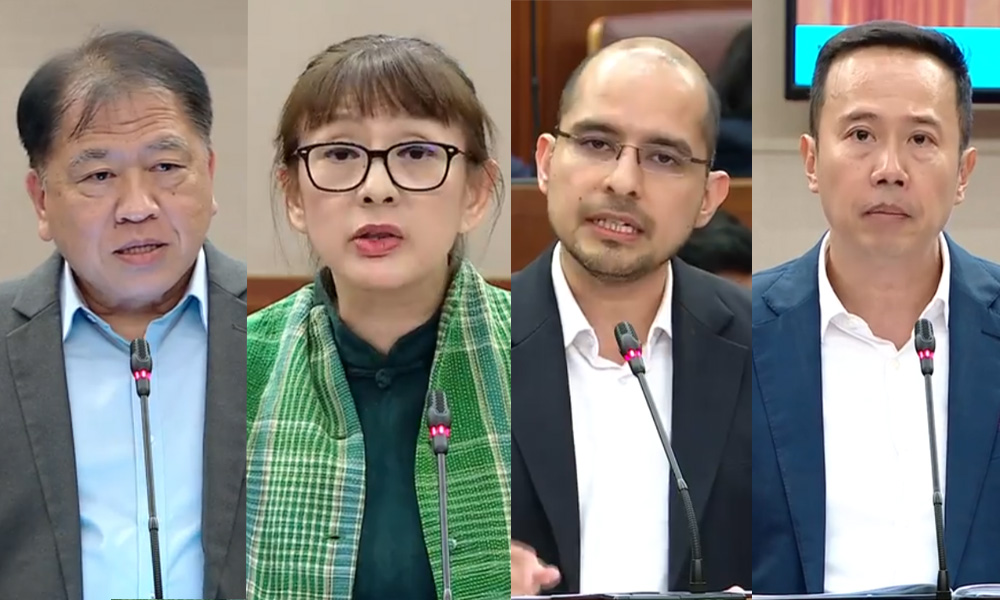
He was responding to a parliamentary question from Workers’ Party Member of Parliament (MP) Gerald Giam, who asked whether the Ministry of Manpower (MOM) has data on security agencies merging allowances into basic pay under the PWM and whether this has resulted in reduced total wages for security officers.
Giam also inquired about measures to ensure that PWM leads to genuine income growth rather than mere reclassification of wage components.
In response, Zaqy stated that the ministry does not track data on security agencies incorporating allowances into basic wages.
However, he noted that gross wages—including allowances—have increased since the introduction of PWM in 2016.
"From 2016, when we started the PWM, to 2023, the median gross wage of Singapore citizens and Permanent Residents working as full-time security officers increased by 19.2% cumulatively," he said.
While employers have the discretion to structure their employees’ compensation, Zaqy emphasised that they must adhere to PWM requirements.
Although some companies may offset PWM-mandated wage increases by incorporating allowances into basic pay, he argued that such practices are unsustainable due to annual PWM wage increments.
'PWM Wage for Security Officers to Rise 220% from 2016 to 2028'
He highlighted that the minimum PWM wage for security officers has risen from $1,300 in 2016 to $2,870 in 2025 and will increase further to $3,530 by 2028—a 220% increase from 2016 levels.
He assured that security officers would see their total take-home pay—including both basic wages and variable components like allowances—rise over time.
Officers experiencing contractual breaches or non-compliance with PWM requirements were advised to seek assistance from their union or MOM, he added.
Gerald Giam Raises Concerns Over Excessive Overtime and Fair Compensation for Security Officers
Seeking further clarification, Giam raised concerns about security officers earning above S$2,600 per month who no longer qualify for Part 4 protections under the Employment Act.
Part 4 of Singapore’s Employment Act covers essential protections such as overtime pay and working hours but applies only to workmen earning up to $4,500 per month and non-workmen earning up to $2,600 per month.
As a result, security officers earning above this threshold are no longer entitled to these protections unless classified as workmen under the Act.
Giam questioned whether security agencies were increasingly relying on overtime instead of hiring additional officers following the PWM implementation.
He also asked what measures would be taken if excessive overtime became the norm and how security officers could be safeguarded against arbitrarily low overtime pay, given that their overtime rates are now employer-determined.
Lastly, he inquired whether MOM would consider raising the salary threshold for Part 4 protections so that security officers could retain essential employment rights despite rising wages.
"Zaqy Assures Safeguards Against Excessive Overtime for Security Officers
In response, Zaqy described it as a positive development that security officers now earn above the Part 4 threshold, as this signifies wage growth beyond the bottom 20% of earners.
He pointed out that by 2028, security officers’ wages under PWM would rise to $3,530, significantly higher than many other low-wage jobs.
"I think, to a large extent, that shows progress," said Zaqy.
However, he acknowledged Giam’s concerns and noted that MOM had announced during the Committee of Supply debates that the Employment Act is under review, including a potential adjustment of the salary threshold to keep pace with wage growth.
Zaqy reassured that security officers are not worse off regarding overtime regulations.
He explained that security officers remain licensed under the Singapore Police Force’s Police Licensing and Regulatory Department (PLRD), which mandates that overtime hours cannot exceed 72 hours per month.
This ensures that employers cannot exploit excessive overtime to avoid hiring more officers. He added that any violations would be addressed in coordination with the police.
Defending the shift towards a gross wage structure under PWM, Zaqy argued that this framework was designed to prevent employers from manipulating wage components.
As long as PWM gross wage requirements are met, he said, security officers would still benefit from a minimum income level.