Koh Poh Koon: Hawkers expanding business, unable to personally operate stalls should exit NEA system

Hawkers who expand their businesses beyond their stalls and spend more time managing operations than cooking should consider leaving the system to give others a chance, said Dr Koh Poh Koon, Senior Minister of State for Sustainability and the Environment. Speaking in Parliament on 10 March, he reaffirmed NEA’s rule that stallholders must personally operate their stalls, preventing subletting and rental profiteering.
Featured Image
Comments
Google News

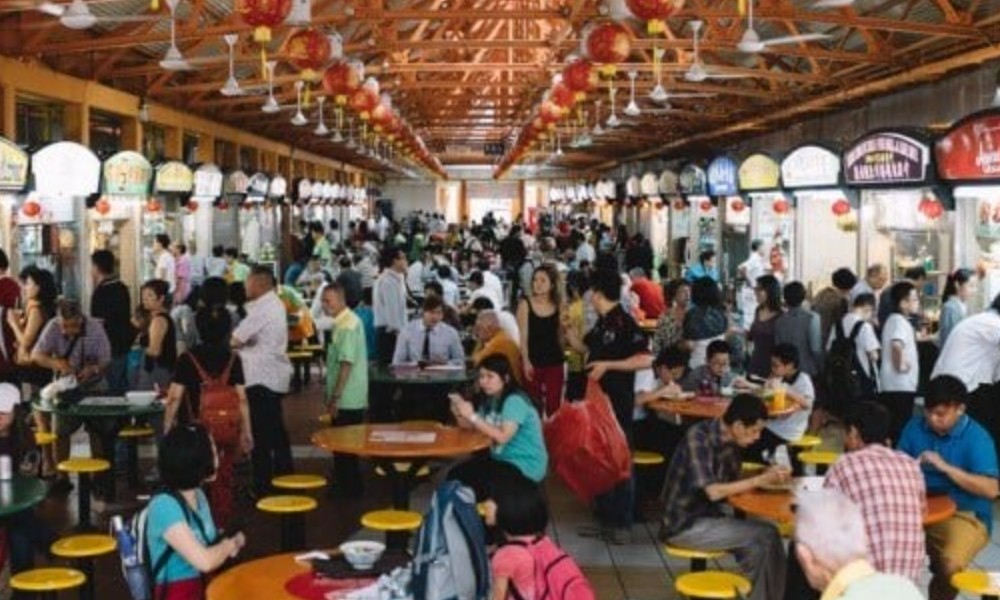
SINGAPORE: Hawkers whose businesses have expanded significantly beyond their stalls in NEA-managed hawker centres and who spend more time managing operations than cooking at their stalls should consider leaving the system to make way for others, said Dr Koh Poh Koon, Senior Minister of State for Sustainability and the Environment. Speaking in Parliament on 10 March, Dr Koh reaffirmed NEA's requirement for hawker stallholders to personally operate their stalls. This policy prevents subletting and ensures stallholders actively run their businesses rather than profiting from rental arbitrage, he said. "For those unable to personally operate their stalls, they may relinquish them or hand them over to a family member," said Dr Koh. He added that NEA allows flexibility in specific cases, such as medical reasons, where stallholders can appoint a joint operator or nominee. Temporary closures may also qualify for rental waivers. Hawkers looking to expand can operate up to two cooked food stalls, provided they manage them personally. Some do so through family-run stalls or franchising, Dr Koh noted. However, corporations are generally not allowed to bid for hawker stalls, except in socially-conscious enterprise hawker centres (SCHCs), where a portion of surplus revenue supports stallholders and operations.

Koh Dismisses Hawker Noorman Mubarak’s "One-Sided Story," Stresses NEA Policy Ensures Fairness

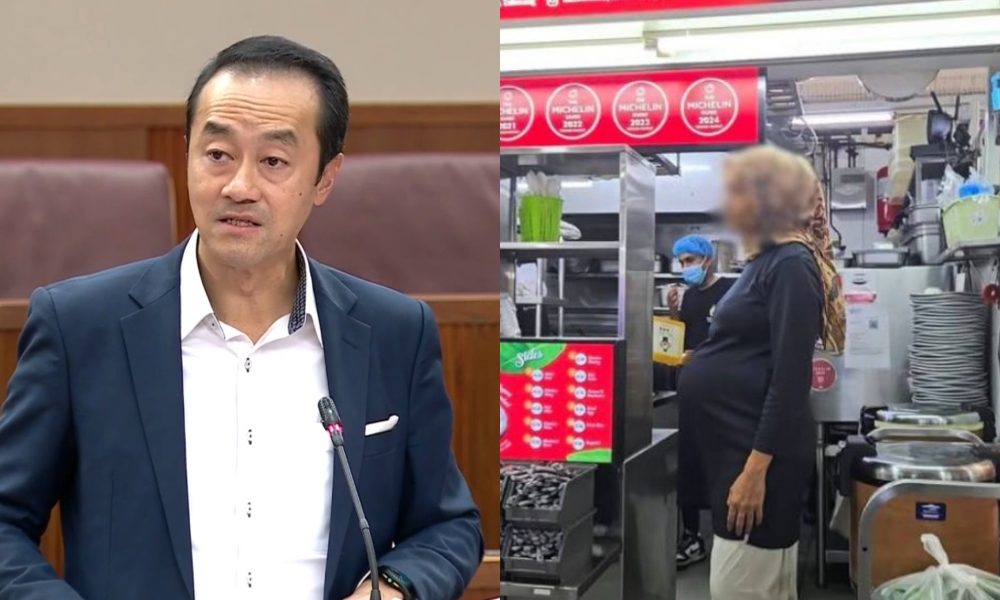
Dr Koh also addressed concerns raised by hawker Noorman Mubarak, whose wife operates a stall at Yishun Park Hawker Centre. Mubarak claimed that NEA rules forced his pregnant wife to be physically present at their Nasi Lemak Ayam Taliwang stall and called for a review of what he termed a "decades-old policy." Dismissing Mubarak’s claims as a "one-sided story," Dr Koh clarified that NEA had offered his wife the option to nominate another person to take over the stall. "But instead of accepting that as a legitimate option, they chose to go on social media and portray NEA as unhelpful," he said. Dr Koh further alleged that Mubarak owns around 20 food and beverage establishments outside the NEA system, in addition to two to three stalls in NEA-managed hawker centres. "We are happy for hawkers who succeed, but as a business owner, it is understandable that he wants to focus on his other ventures rather than his hawker stall," he said. However, he stressed that NEA hawker centres should not be serving the interests of private chain owners, as they play a social role in providing affordable food and opportunities for small food businesses. Dr Koh reiterated that while NEA maintains low barriers to entry to support aspiring hawkers, fairness must be upheld to prevent individuals from exploiting the system through subletting and rental profiteering.

Koh Defends Personal Operation Rule, Says Physical Presence Key to Preventing Subletting

Koh was responding to a Parliamentary question filed by Holland-Bukit Timah GRC MP Edward Chia, who asked raised questions about the whether flexibility is exercised for stallholders who are temporarily unable to operate their stalls due to personal reasons. Chia later asked if the personal operation rule has successfully prevented unintended subletting and whether it discourages genuine hawkers from expanding their businesses. He also questioned whether hawkers can reassign their stalls to business partners without rebidding or reapplying. He aslso pointed out that modern hawkers must engage in branding, social media marketing, and central kitchen operations, which often require them to be away from their stalls. He asked whether flexibility can be exercised regarding the current requirement for stallholders to be physically present for a minimum of eight hours per day (or four hours per stall for those with two stalls). In response, Koh stressed that physical presence is the most practical way to prevent subletting, "through these inspections NEA is able to directly monitor whether stallholders physically operate their stalls during the stalls operating hours." However, he acknowledged that subletting remains difficult to detect, as it can involve informal, under-the-table agreements. “It can happen when someone bids for a stall without intending to run it, then secretly sublets it to another person while profiting from rent,” he explained. Dr Koh reiterated that hawkers who have expanded their businesses beyond hawker centres and can no longer personally run their stalls should relinquish their space to others in need. While stallholders may nominate a family member to take over their stall, transferring it to an unrelated party is not permitted. This policy prevents profiteering and ensures fairness in stall allocation, he added.

Jamus Lim Calls for Scheduled Inspections; Koh Says NEA Open to Case-by-Case Flexibility

Sengkang GRC MP Associate Professor Jamus Lim highlighted a case where a resident requested flexibility by asking for a fixed window for inspections instead of random spot checks. He inquired whether such scheduled inspections could be considered as part of NEA's flexibility measures. In response, Koh stated that NEA is open to exercising flexibility on a case-by-case basis. However, he cautioned that repeated requests for scheduled inspections could indicate attempts to circumvent the rules. He reiterated that the goal is to support small businesses while preventing large chains from dominating and altering the authenticity of Singapore’s hawker culture.

Chia Questions Rigid Rules; Koh Stresses Balance Between Business Growth and Hawker Culture

MP Chia raised concerns about the rigid enforcement of physical presence requirements, noting that many modern hawkers leverage social media, central kitchens, and delivery services. He questioned whether greater flexibility could be introduced to ensure fair enforcement across all hawker centres. In response, Koh emphasised that hawker centres are not just commercial spaces but community dining hubs with a social purpose. He warned that if hawkers delegate operations entirely to hired workers, hawker centres could lose their authenticity and become indistinguishable from food courts or coffee shops. Koh stressed that the regulations are necessary to uphold affordability, fairness, and heritage in hawker centres. "We support technology adoption—whether through central kitchens or social media marketing—to enhance efficiency. But as hawkers embrace these tools, they must not erode the culture we are trying to protect and grow," he said. "While we encourage innovation to improve stall-level efficiency, it should not come at the expense of hawkers stepping away from their stalls and leaving day-to-day operations entirely to hired workers."