Chan Chun Sing rejects MPs’ calls for smaller classes, defends MOE’s needs-based resource allocation
MPs urged smaller class sizes in Parliament on 6 March, citing feedback from educators and parents and questioning if MOE had studied optimal class sizes for better learning outcomes. Education Minister Chan Chun Sing acknowledged these calls but stated that MOE allocates teaching resources based on students' needs rather than enforcing a fixed class size policy, prioritising teaching effectiveness.
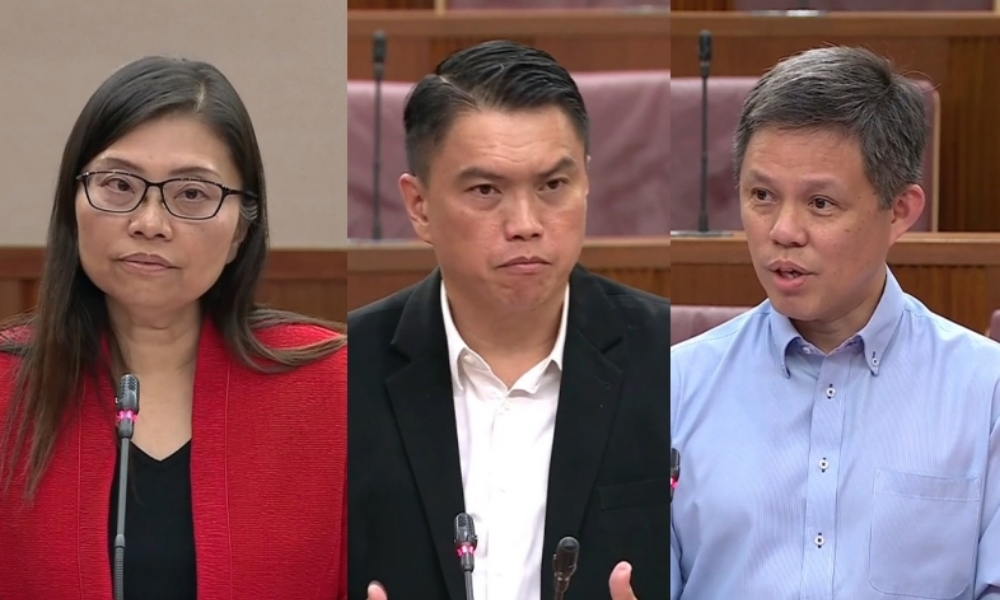

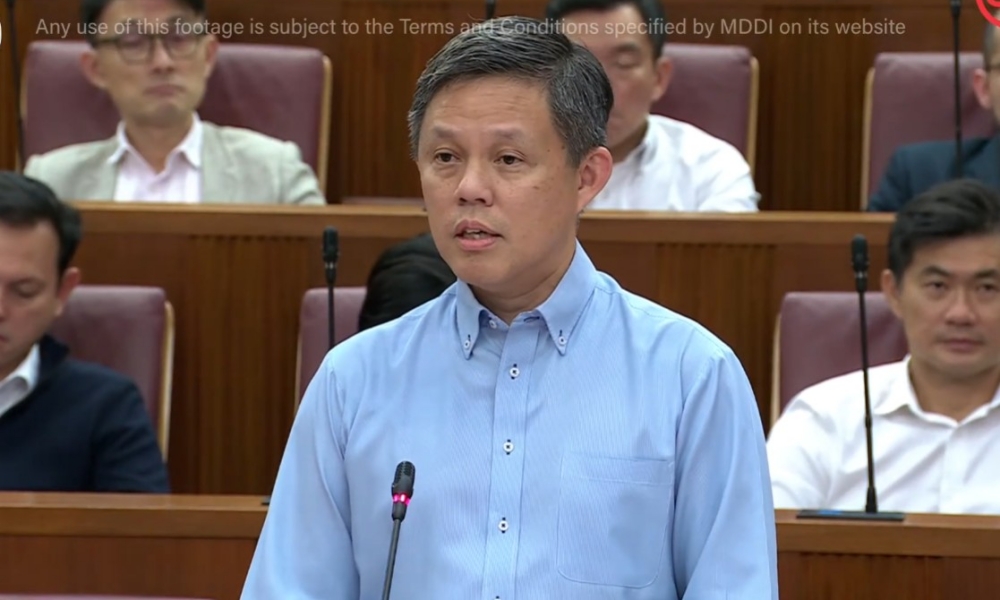
Despite frequent calls from the public and Members of Parliament, Education Minister Chan Chun Sing has once again rejected proposals for smaller class sizes, arguing that the Ministry of Education’s (MOE) approach is not merely about reducing class sizes but about optimising teaching effectiveness.
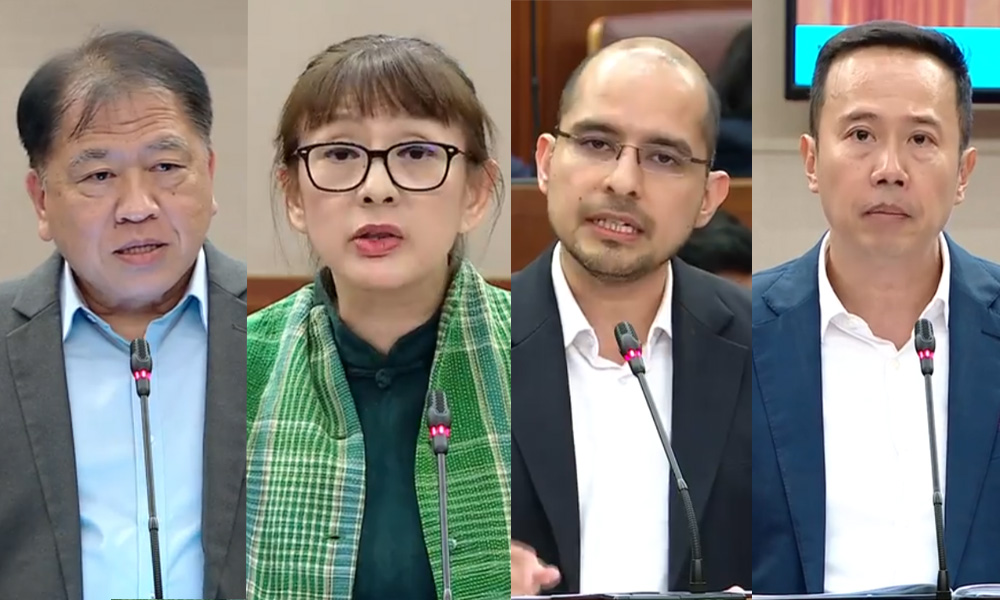
During the Committee of Supply debate for the Ministry of Education’s 2025 budget on 6 March, Non-Constituency Member of Parliament Hazel Poa called on the government to introduce a 10-year through-train programme in selected schools, allowing students to progress from primary to secondary levels without taking the PSLE.
Poa, from the Progress Singapore Party, argued that concerns about catering to students with different learning abilities could be addressed by reducing class sizes and implementing Subject-Based Banding (SBB).
She highlighted the stress the PSLE places on students and parents, its potential impact on fertility rates, and how its removal could foster a greater love for learning.
Poa also called for smaller class sizes, citing OECD comparisons and Singapore’s declining birth rates as opportunities to improve learning conditions.
Patrick Tay Seeks MOE's Assessment on Optimal Primary School Class Sizes
Separately, Pioneer SMC MP Patrick Tay from the People's Action Party (PAP) also raised the issue of class sizes in primary schools, citing feedback from educators and parents.
He asked whether the MOE had conducted studies to determine the optimal class size for achieving the best educational outcomes.
In response, the Education Minister acknowledged the frequent calls for smaller class sizes but stressed the importance of first defining the problem they aim to solve—whether it is improving teacher-student interaction, reducing teachers’ workload, or assuming that smaller class sizes are inherently better.
"MOE takes all well-intentioned ideas seriously. However, we should be clear what are the ends we are trying to achieve or which problems we are trying to solve, before we jump into our preferred solutions or ways; and we should also be cognisant of the means required, trade-offs and unintended consequences of any well-intentioned ideas, " Chan said.
He questioned whether the solution should be a blanket reduction in class sizes, a significant increase in the number of teachers, or a restructuring of how teaching resources are allocated.
Chan explained that MOE does not have a fixed class size policy across all schools.
Instead, the ministry allocates teaching resources according to students' needs. Smaller class sizes are assigned to students requiring greater support, while larger class sizes are used when student interaction is beneficial.
Chan emphasised that MOE prioritises optimising teaching effectiveness over merely reducing class sizes by focusing on student needs, leveraging technology, equipping teachers, fostering student responsibility, and setting realistic expectations.
On Full Subject-Based Banding, Chan said it has been in place for over a year, allowing students to customise their learning based on their individual needs and progress.
He said educators have observed that students are taking greater ownership of their learning, with subject classes providing appropriate challenges and mixed form classes fostering interaction among students from diverse backgrounds.
These positive outcomes are made possible by the dedication of educators, who work tirelessly to recognise students' diversity and maximise their potential, he added.
Chan Previously Rejected WP MPs' Proposal for Smaller Classes to Enhance Student Potential
In an interview with The Straits Times published on 2 January, Chan emphasised that teacher quality, rather than class size, is the key factor influencing educational outcomes.
He highlighted Singapore’s focus on maximising teacher capabilities and personalising education through innovations such as subject-based banding and technology.
Separately, during a parliamentary sitting on 10 September 2024, Chan also rejected the Workers' Party MPs’ proposal for smaller class sizes.
While Associate Professor Jamus Lim and Mr Louis Chua, both WP MPs for Sengkang GRC, argued that smaller class sizes—such as those in specialised programmes like the Gifted Education Programme (GEP) or Pathlight—allow teachers to better nurture students’ potential, they suggested that a similar approach could help cater to the diversity of student abilities in the middle of the distribution.
Mr Chua cited feedback from former and current GEP students, parents, and educators, who noted that smaller class sizes in the GEP had been a key advantage. Assoc Prof Lim proposed that reducing class sizes could similarly benefit students in the middle tier by allowing more tailored teaching.
In response, Chan explained that while the average class size in Singapore ranges from 30 to 40 students, actual sizes vary significantly based on students’ needs. He stressed that there is no "one-size-fits-all" approach to class sizes in Singapore’s education system.
While acknowledging that class size is a factor, he reiterated that the most significant determinant of educational outcomes is the quality of teachers and the support they receive.
Given limited resources and the need to maintain teacher quality, the government prioritises "tilting the curve"—allocating smaller class sizes to students with higher needs while leveraging technology to support learning in larger classes.