Singapore will not introduce separate COE category for private-hire cars: Amy Khor
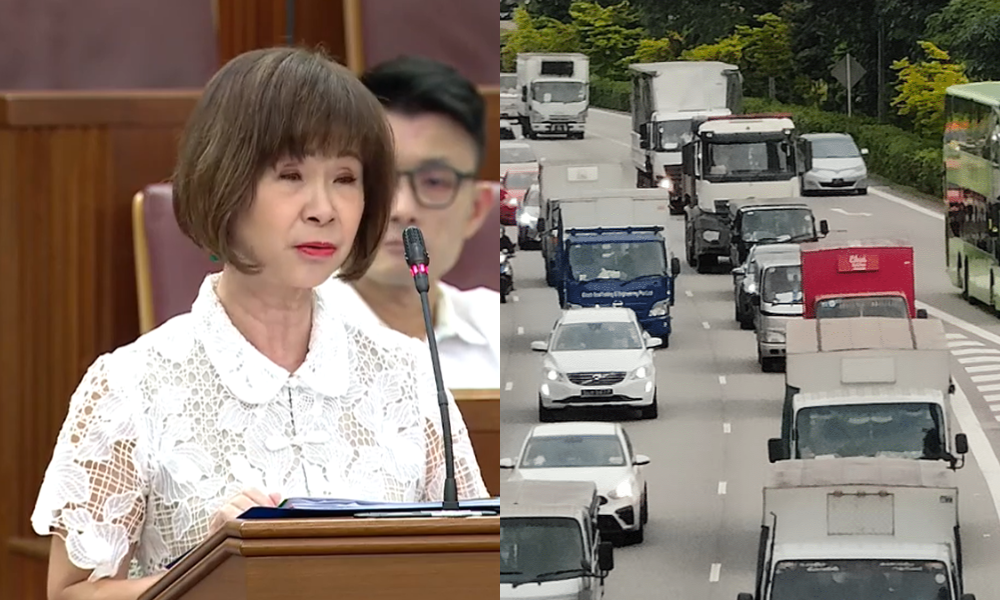
Singapore will not create a separate Certificate of Entitlement (COE) category for private-hire cars (PHCs), Senior Minister of State for Transport Amy Khor announced on 5 March. Instead, new regulations will support taxi operators and enhance transparency in the resale market, with some changes taking effect immediately.
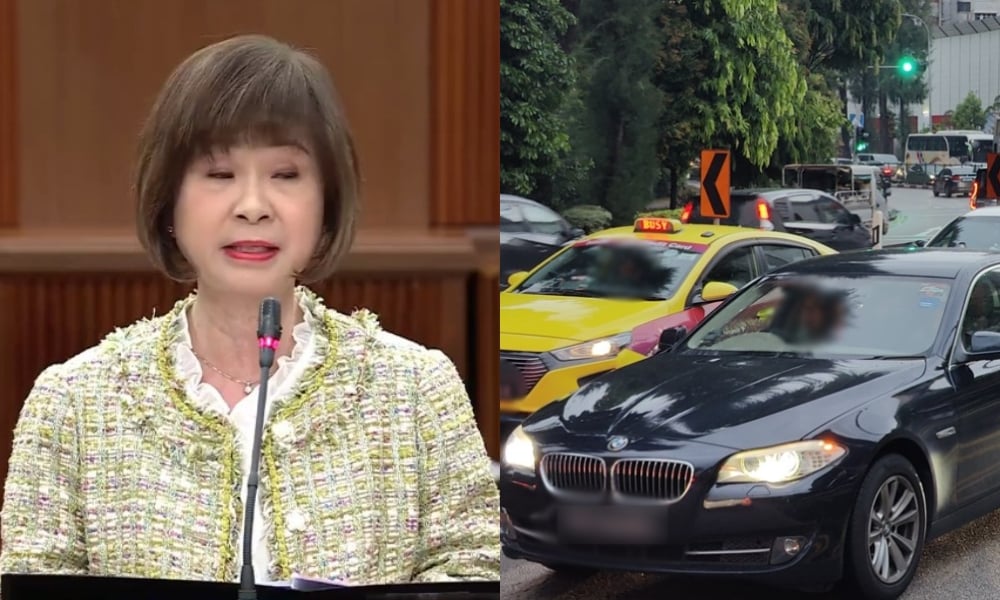

SINGAPORE: Singapore will not introduce a separate Certificate of Entitlement (COE) category for private-hire cars (PHCs), Senior Minister of State for Transport Amy Khor said on 5 March 2025.
Speaking at the Committee of Supply debate on her ministry’s budget, she explained that the current system is best left to market forces.
“We have studied this carefully and decided not to proceed with such a move,” Dr Khor stated.
She noted that the majority of Category A and B COE demand—used for passenger cars—comes from local individuals rather than PHC or car-leasing companies.
In February 2025, PHCs accounted for just 6 per cent of successful Category A bids and 8 per cent of Category B bids.
Dr Khor reiterated that PHC demand fluctuates based on commuter needs, making it difficult to set a fixed quota.
Any separate PHC quota would need to be taken from Category A and B COEs.
Allocating too much could cause prices to spike for private car buyers, while taking too little could lead to higher COE prices for PHCs, increasing rental costs for drivers and fares for commuters.
Regulatory changes to support taxi operators and fleet flexibility
Instead, the government will introduce new regulations to support taxi operators and level the playing field between taxis and chauffeured PHCs.
These measures mark the second phase of Singapore’s point-to-point transport sector review, following previous rules such as the three-year lock-in period for PHCs.
To give taxi operators greater flexibility, the 2 per cent annual cap on taxi fleet growth—suspended since 2021—will not be reinstated.
Additionally, the Land Transport Authority (LTA) will allow taxi companies to convert certain used passenger vehicles into taxis, provided they are under five years old.
Taxi operators may also sell taxis that are more than three years old, up to a maximum of 5 per cent of their fleet, as either PHCs or private cars.
Currently, taxis cannot be resold as passenger vehicles, but the new changes will allow for such conversions.
This move aims to give operators a new method of acquiring taxis while reducing risks associated with testing new vehicle models.
Another key regulatory update is the requirement for taxi and PHC companies to disclose vehicle history when registering, converting, or transferring vehicles.
This transparency measure applies to all new COE registrations from the current bidding exercise, which ends on 5 March 2025. LTA stated that this rule will improve market transparency and encourage the proper registration of vehicles for their intended use.
Additionally, larger ride-hailing platforms will soon face stricter regulations. While LTA did not specify which companies will be affected, it stated that those with extensive driver and commuter networks benefit from network effects and influence market norms.
These firms will be subject to greater scrutiny and must comply with increased data disclosure requirements to prevent practices that limit drivers’ and commuters’ choices.
LTA indicated that it would continue consulting industry stakeholders before finalising details of these new measures.
No specific implementation timeline has been announced for most of the proposed changes.
Over the past decade, Singapore’s taxi population has significantly declined from 28,736 in 2014 to 13,117 by the end of 2024.
Meanwhile, PHC numbers have surged from 17,238 to 59,371 over the same period.
Impact of car leasing companies on COE prices debated in Parliament last year
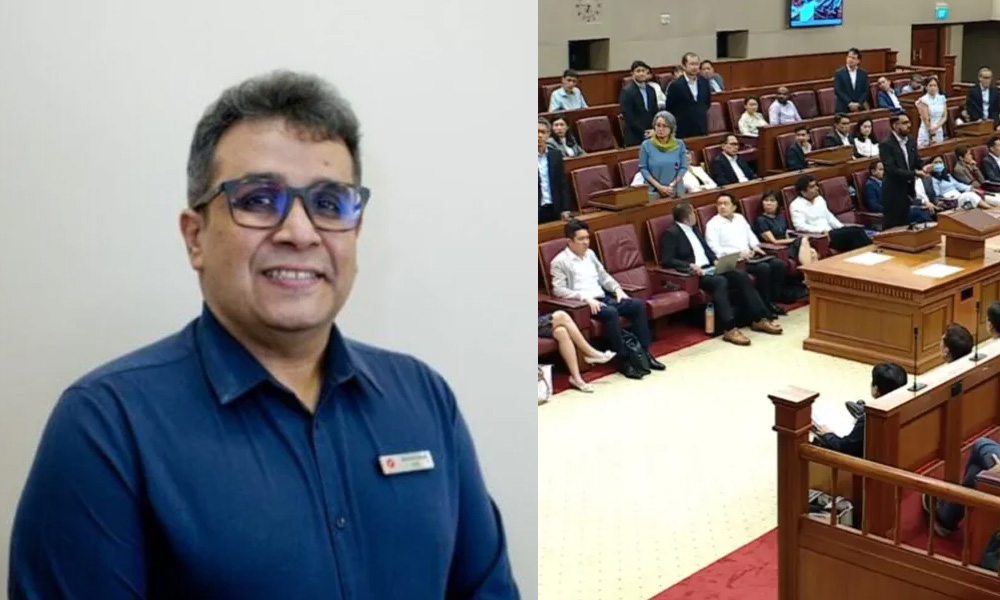
During a Parliamentary sitting in November 2024, Sengkang MP Louis Chua highlighted that reduced participation from car-leasing companies might indicate their past influence on COE premiums.
He compared this to 2012 when taxi companies were removed from COE bidding due to their price impact.
Transport Minister Chee Hong Tat acknowledged that while car-leasing companies' COE bids had declined from 2022 to 2024, prices had still risen.
He suggested that these companies were not the sole factor behind rising COE costs, though they contributed to demand.
On a separate COE category for PHCs, Chee stated that the idea was under study but would not lead to an immediate increase in COEs.
He explained that any new category would require reallocation from Categories A and B, making the process complex.
Chee stressed the need for further evaluation of COE supply solutions and remained open to alternatives beyond creating a separate PHC category.