Parliament
Grace Fu:187 gastroenteritis cases linked to ready-to-eat meals for Total Defence Day event
A total of 187 gastroenteritis cases have been linked to ready-to-eat meals distributed as part of Total Defence Day, Minister Grace Fu said in Parliament on 4 March. She assured that The Singapore Food Agency and the Ministry of Health are conducting a comprehensive investigation, with the programme suspended until a full review is completed.
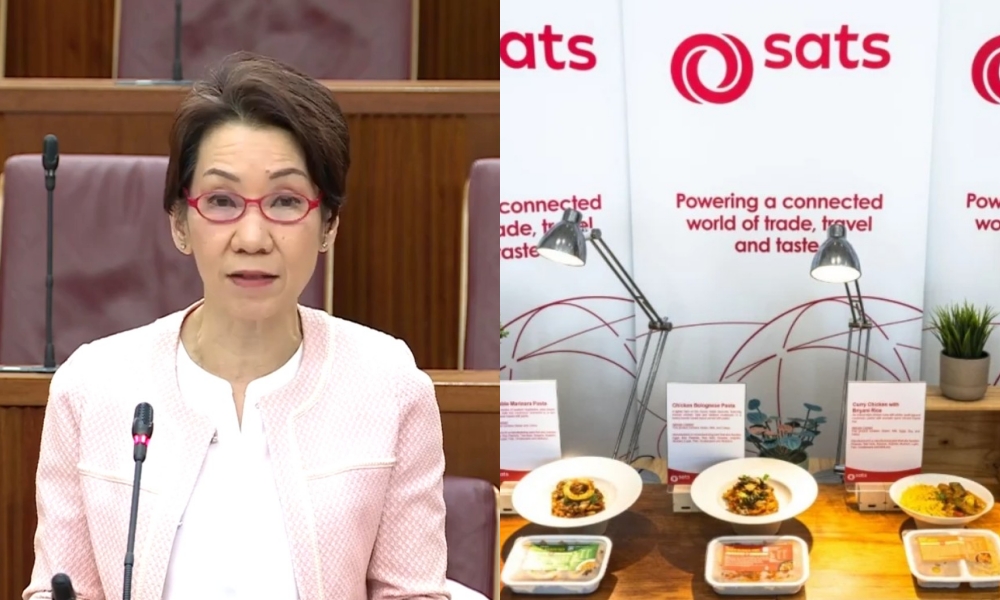
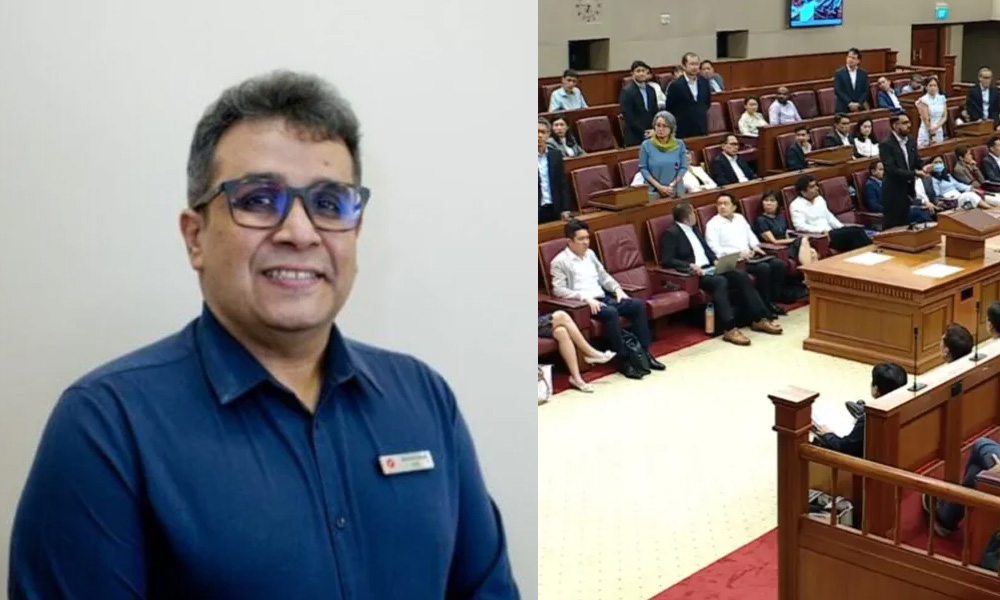
SINGAPORE: A total of 187 gastroenteritis cases have been linked to ready-to-eat (RTE) meals distributed as part of Total Defence Day, Minister for Sustainability and the Environment Grace Fu said in Parliament on Tuesday (4 March).
Fu was responding to parliamentary questions regarding food poisoning cases after some students from the School of the Arts (SOTA) consumed the RTE meals and fell ill.
Authorities initially reported on 19 February that 20 SOTA students had developed gastroenteritis symptoms, with preliminary findings suggesting an “isolated incident.”
However, as of 3 March, the total number of verified cases had increased to 187.
Of these, 184 were from schools, two were from Active Ageing Centres, and one from a public agency.
This constituted approximately 0.16 per cent of the participants, Fu noted.
“All affected individuals have received the necessary medical attention and have since recovered. None were hospitalised,” she added.
SFA to Enforce Corrective Actions if Lapses Are Found, Says Minister
According to Fu, The Singapore Food Agency (SFA) has collected samples of the RTE meals for testing, but no foodborne pathogens were detected.
The agency, along with the Ministry of Health (MOH), is conducting a comprehensive investigation into the incident.
The Minister assured that if any lapses are identified, SFA will take corrective and enforcement actions.
The meals were initially intended for over 100,000 students and teachers from more than 90 schools as part of the Food Resilience Preparedness Programme (FRPP), an initiative led by SFA.
Beyond schools, SFA had also collaborated with the Agency for Integrated Care (AIC) to distribute the meals to over 8,000 seniors across 111 Active Ageing Centres.
Developed by SATS, the RTE meals were designed for consumption during national emergencies.
Leveraging experience in producing army combat rations, SATS created meals that can be stored without refrigeration, eaten at room temperature, and have a shelf life of up to eight months.
The RTE distribution was scheduled from 15 to 28 February.
However, after reports of gastroenteritis, government agencies decided on 20 February to suspend the FRPP until investigations into the SOTA cases were completed.
Authorities also contacted other recipient institutions to check for additional cases.
Inspection and Compliance Measures at SATS Facilities
In response to questions from Member of Parliament (MP) for Jurong GRC Tan Wu Meng and Hougang MP Dennis Tan regarding the extent of the contamination and potential penalties for SATS, Fu said investigations were ongoing.
She noted that SFA had inspected SATS’ premises on 23 January before the programme’s launch.
The facility was found to be clean, with no food safety violations detected.
SATS had also implemented additional measures for the FRPP, including individual leak testing of each meal package and microbiological testing by an SFA-accredited laboratory.
MPs also inquired whether microbiological and shelf-life studies were mandated under the FRPP and whether stricter checks would be introduced.
Fu clarified that all SFA-licensed establishments, including SATS, must comply with food safety requirements, undergo inspections, and ensure their workflows prevent cross-contamination.
Facilities must maintain cleanliness, prevent pest infestations, and have certified food safety-trained workers.
Restoring public confidence in RTE meals
Fu acknowledged the importance of restoring public confidence in the RTE meals but stated that it was too early to determine the next steps, as the investigation was ongoing.
“SFA will conduct an after-action review to draw and learn from the lessons of this episode. SFA will continue to engage stakeholders, including schools, food businesses, and community partners, on our FRPP,” she said.
MP Tan further asked about the expected duration of the review.
In response, Fu assured that the government was working as quickly as possible.
She emphasised that the RTE meal programme remains suspended and that all distributed meal packages have been collected, eliminating immediate food safety risks.
Beyond the current review, she stressed the importance of ensuring Singapore’s resilience in emergencies where food cannot be cooked.
She confirmed that the next rollout of the programme would only take place after a thorough review and full readiness.
Notable food poisoning incidents in Singapore
Singapore has experienced several significant food poisoning incidents in recent years.
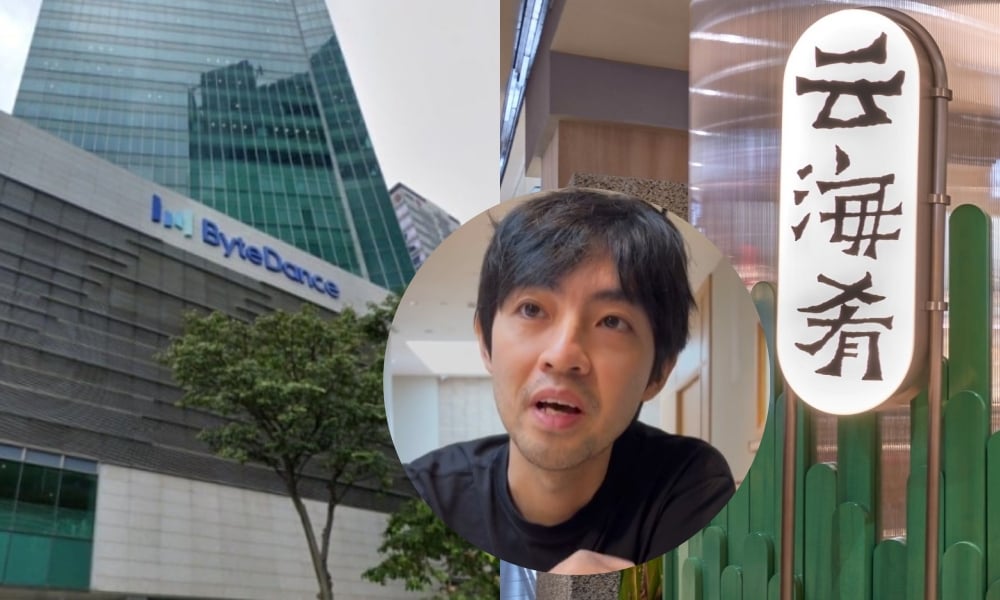
In July 2024, more than 130 employees at ByteDance’s Singapore office suffered gastroenteritis after consuming catered meals, with 57 hospitalised.
In November 2022, 29 individuals developed gastroenteritis after consuming food from the “Drinks & Snacks” stall at Nanyang Girls’ High School; none required hospitalisation.
In March 2019, 251 children from 13 PCF Sparkletots pre-schools fell ill due to food served by Kate’s Catering, leading to the suspension of the caterer’s licence.
In November 2018, a severe outbreak linked to Spize restaurant resulted in the death of 38-year-old man and hospitalised 46 others.
Investigations revealed alarming lapses in food hygiene at Spize, leading to its closure and fines for the company.