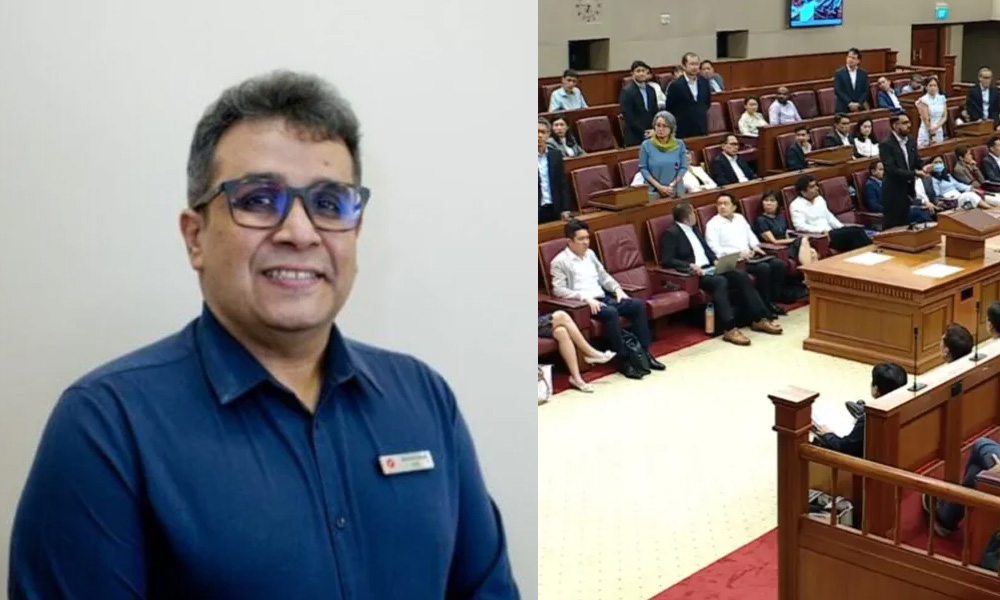
Shawn Huang: PSLE results and socio-economic status correlation stable over past three years
The correlation between Primary School Leaving Examination (PSLE) results and socio-economic status (SES) has remained stable over the past three years, Senior Parliamentary Secretary for Education Shawn Huang said on 3 March. He assured that MOE is committed to providing equal opportunities for all students. MPs raised concerns about the correlation and asked about MOE’s plans to reduce it.
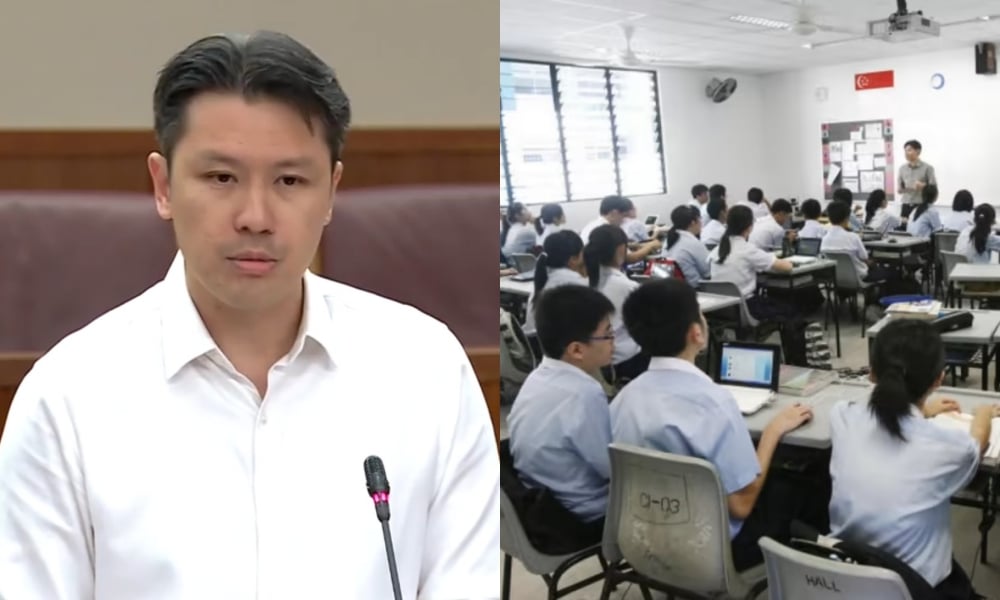

SINGAPORE: The correlation between the Primary School Leaving Examination (PSLE) results and socio-economic status (SES) has remained stable over the past three years, Senior Parliamentary Secretary for Education Shawn Huang stressed.
Huang assured that the Ministry of Education (MOE) is committed to ensuring that the education system provides opportunities for all students to develop to their full potential, regardless of their backgrounds.
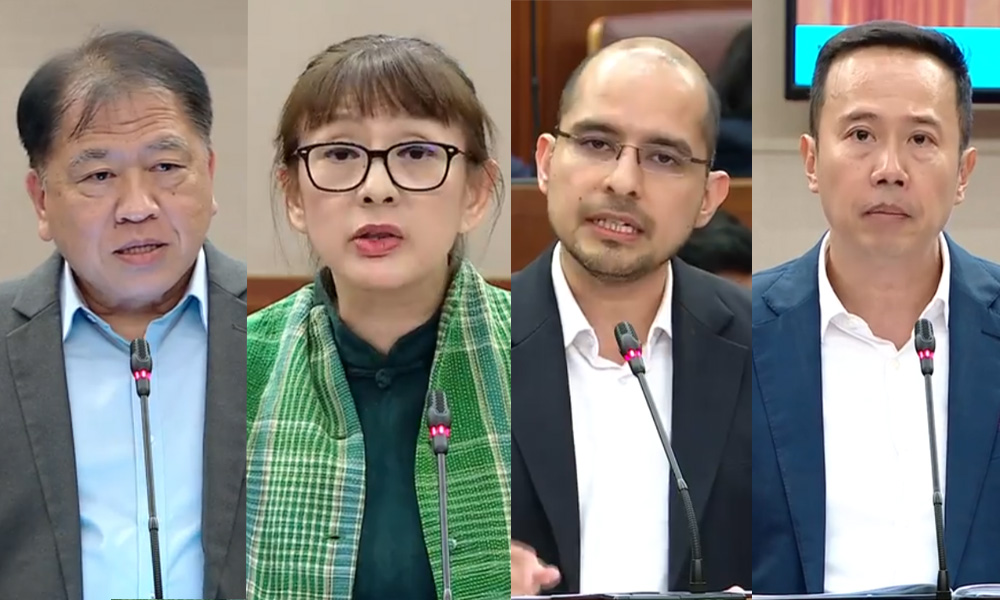
Huang was responding to a parliamentary question from the Member of Parliament for Nee Soon GRC Louis Ng, who asked the Education Minister whether the correlation between PSLE results and socio-economic status has strengthened or weakened in the past three years and what further plans does the Ministry have to reduce this correlation.
In response, Huang cited findings from the Organisation for Economic Co-operation and Development's (OECD) Programme for International Student Assessment (PISA) 2022. He noted that students from the lowest 25% SES in Singapore outperformed the average OECD student across all domains—reading, mathematics, science, and creative thinking.
Huang said MOE is implementing three key strategies to support lower-income students.
First, it strengthens early childhood education by improving preschool accessibility, affordability, and quality, with programmes like KidSTART helping parents support their children's development.
Second, it provides targeted academic interventions, such as the Learning Support Programme and Reading Remediation, while also fostering social-emotional skills.
Third, MOE enhances wraparound support through community partnerships, interest-based activities, and the Uplift Enhanced School Resourcing (UESR) initiative.
The number of primary schools receiving additional resources has doubled in two years due to observed improvements in student attendance, behaviour, and progression. Huang stressed that addressing social mobility requires collective efforts from society.
He encouraged Singaporeans to contribute by sharing resources, recognising diverse talents, and supporting disadvantaged students.
Louis Ng asked if more could be done to reduce the correlation between PSLE results and SES
Ng acknowledged the efforts but asked if more could be done to further lower or eliminate the correlation between PSLE results and SES.
In response, Huang reiterated that MOE continuously identifies and supports students in need.
He highlighted how schools proactively reach out to students from disadvantaged backgrounds and provide both academic and non-academic support.
For example, students with weaker foundational skills in literacy and numeracy receive additional intervention programmes. Huang said schools also encourage families to enrol children in student care centres for added support.
Under the ComLink initiative, families are assigned dedicated coaches from the Social Service Offices to co-develop customised action plans based on their needs, he added.
Hazel Poa asked about school-level tracking of SES and academic performance
Non-Constituency MP Hazel Poa asked whether individual schools measure the correlation between academic results and SES and where such data could be accessed.
Huang explained that MOE primarily tracks this correlation at the national level, using the MOE Financial Assistance Scheme (MOE FAS) as a proxy for lower-income households.
While acknowledging that individual results vary widely, he stated that the median PSLE score has remained stable in recent years.