Budget 2025: Faisal Manap calls for greater support for Singapore’s middle class
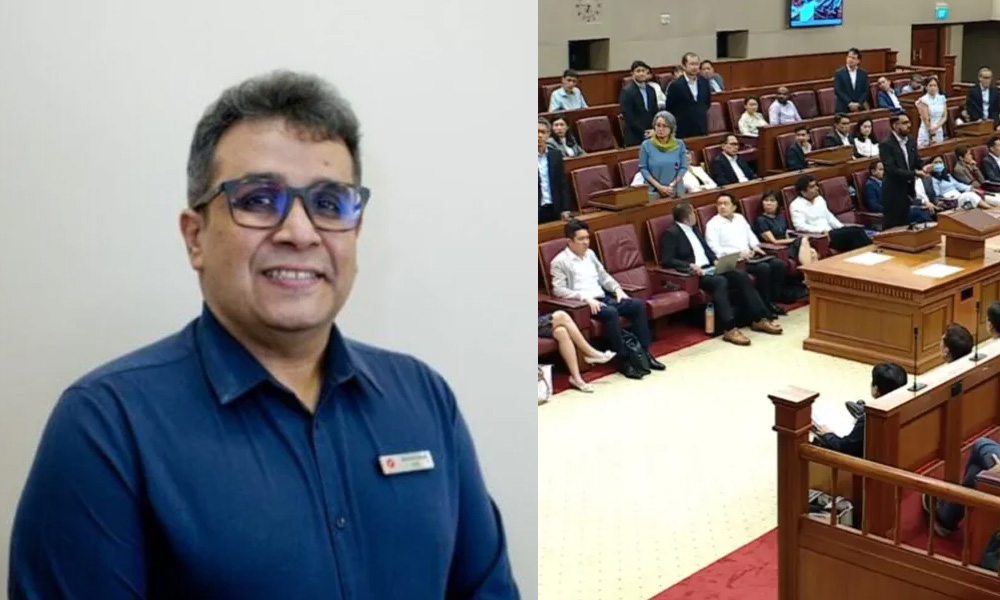
"The middle class in Singapore are like a sandwich without fillings. They are left with choices they find neither savoury nor sweet.” With this analogy, Faisal Manap, Workers’ Party MP for Aljunied GRC, highlighted the struggles of middle-income Singaporeans during the Budget 2025 debate in Parliament
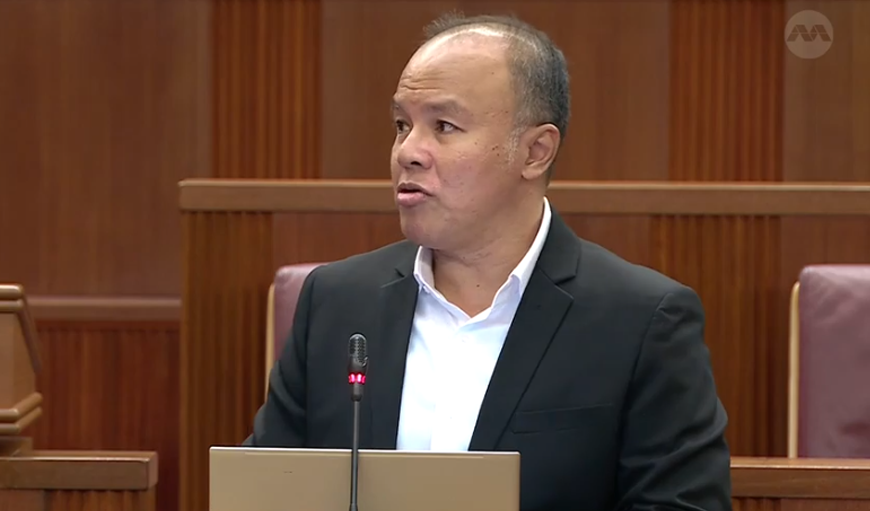

"The middle class in Singapore are like a sandwich without fillings. They are left with choices they find neither savoury nor sweet.”
With these words, Faisal Manap, Workers’ Party MP for Aljunied GRC, underscored the financial struggles of middle-income Singaporeans during the Budget 2025 debate in Parliament.
While acknowledging the government’s efforts, Faisal urged policymakers to go beyond short-term relief measures.
“The rising costs of living have been felt more keenly by all Singaporeans in the last few years. The Government itself recognises this, hence the announcement of measures such as the CDC vouchers and U-Save rebates,” he said.
However, he pointed to a Bloomberg report from 22 February 2025, which showed that “55% of Singaporeans viewed these measures as inadequate.”
Faisal reiterated the Workers’ Party’s call for a statutory minimum wage, arguing that “the lowest earners in Singapore must be able to cope better.”
He stressed the need for broader structural reforms, stating, “Singaporeans want the Government to look beyond the disbursement of payouts and consider policy changes to keep the cost of living affordable for all.”
The ‘Sandwiched’ Middle Class and Assistance Gaps
Faisal highlighted the difficulties faced by middle-income Singaporeans, describing them as the "sandwiched class"—earning too much to qualify for financial aid but too little to achieve financial security.
He drew particular attention to families that support both young children and ageing parents, calling them a group in an “unenviable position.”
Sharing real-life examples from his Kaki Bukit constituents, Faisal described a resident who needed legal aid for his brother’s insurance dispute but was deemed ineligible due to income thresholds.
“The cost of hiring a lawyer was prohibitive, leaving him in a difficult position,” Faisal said. Another resident struggled to access Medifund for his mother’s medical bills because of means-testing, despite having greater financial constraints than a relative who qualified for assistance.
"By having his mother stay with him and caring for her, he feels that he is being ‘penalised’ for his filial piety,” Faisal recounted.
He called on government agencies to “exercise flexibility and assess applications more holistically” to ensure fairness in aid distribution.
Employment and Job Security Concerns
Turning to job security, Faisal noted that while official unemployment rates remain low, many Singaporeans feel insecure about their employment prospects.
He cited a Straits Times report from 8 February 2025, which highlighted fears over retrenchments, contract work, and technological disruptions.
He also pointed to a graduate employment survey released in January 2025, revealing a drop in employment rates—“54.6% for polytechnic graduates, down from 60% in 2023,” and “79.5% for university graduates, down from 84.1% the previous year.”
To address job insecurity, Faisal proposed offering tax breaks and other incentives to companies that hire more Singaporeans than required by dependency ratios.
He also urged the government to encourage multinational corporations to invest in local workforce development.
Faisal concluded his speech by linking financial strain to mental health challenges. He referenced the motion on mental well-being passed in Parliament in February 2024, urging continued efforts to support middle-income Singaporeans.
“We must better understand their worries and take measures to address them,” he said.