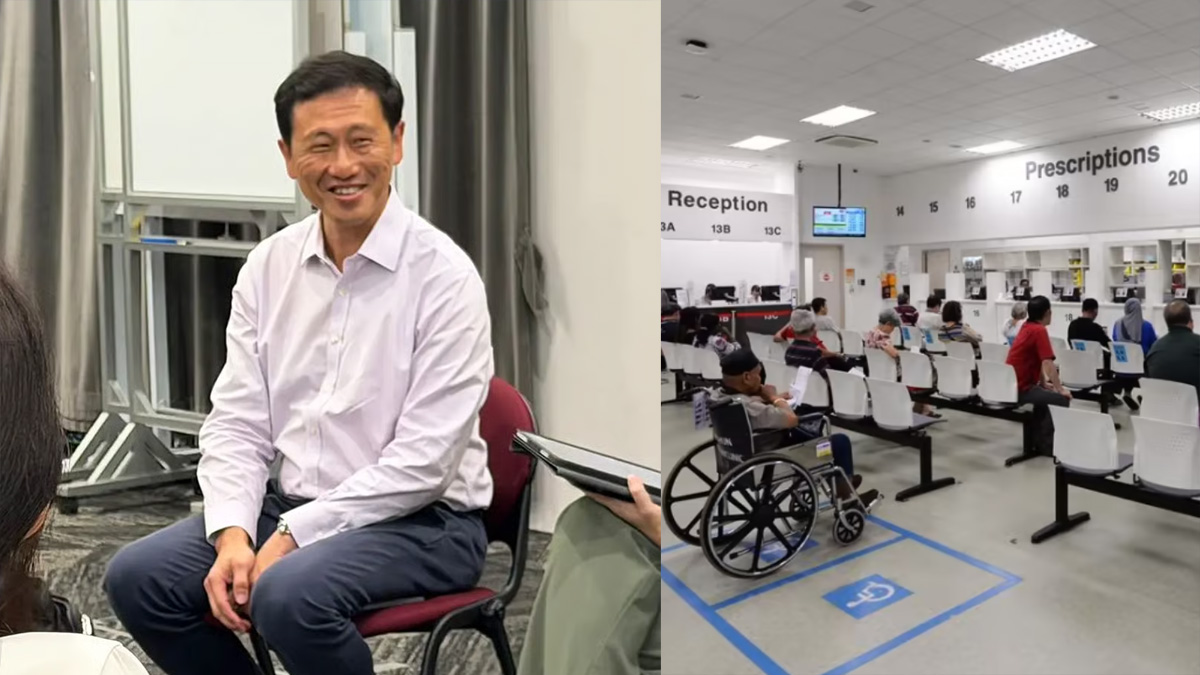
Ong Ye Kung: Nurses in S’pore’s public healthcare sector earn similarly to those in Australia, New Zealand
Health Minister Ong Ye Kung stated that public healthcare nurses in Singapore earn salaries comparable to those in Australia and New Zealand after tax adjustments. He highlighted ongoing efforts to improve retention, including the ANGEL scheme and salary enhancements. The nurse attrition rate has returned to a normal single-digit level.
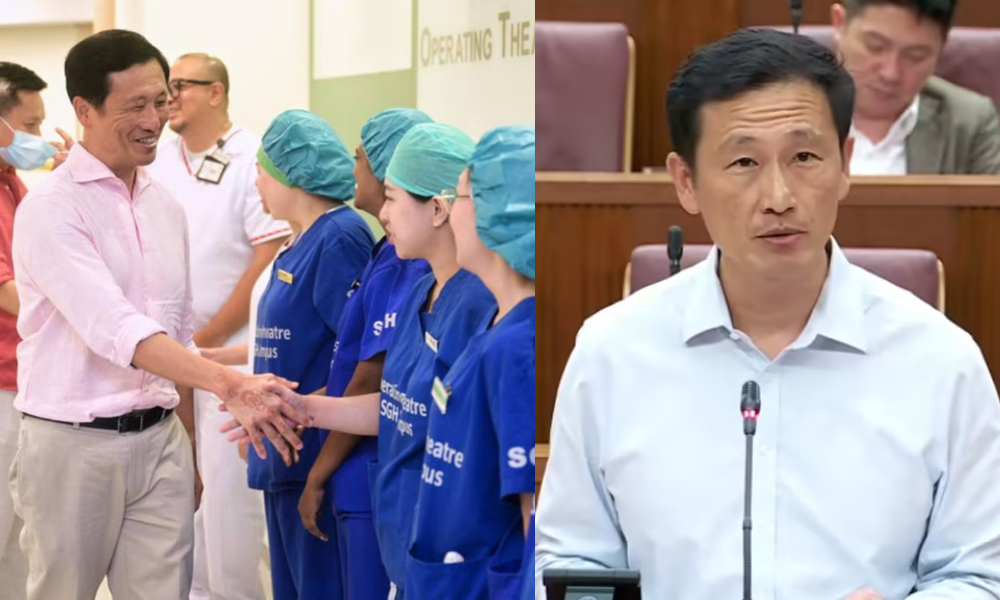

On 26 February 2025, Workers’ Party Member of Parliament for Hougang SMC, Dennis Tan Lip Fong, asked the Minister for Health how the salaries and working conditions of nurses in Singapore compare to those in countries such as Australia.
He also inquired whether studies had been conducted to determine if wages and working conditions were key reasons for nurses leaving Singapore and, if so, how the Ministry planned to address them.
In a written reply, Health Minister Ong Ye Kung stated that nurses in Singapore’s public healthcare sector earn salaries comparable to those in Australia and New Zealand when adjusted for tax differences.
“Our assessment is that nurses in Singapore’s public healthcare sector earn salaries that are similar to that of nurses working in countries such as Australia and New Zealand. This is after adjusting for tax, because workers pay significantly higher income taxes in Australia and New Zealand,” he explained.
Ong highlighted the government’s ongoing efforts to improve nurses’ remuneration and retention.
He pointed to the Award for Nurses’ Grace, Excellence and Loyalty (ANGEL) scheme, introduced in 2024, as well as salary enhancements announced in January 2025.
“The introduction of the long-term retention scheme ANGEL for nurses in 2024 and upcoming salary enhancements will further enhance the total pay package for nurses in the public healthcare sector,” he stated.
Addressing concerns over nurse retention, Ong noted that those who leave Singapore tend to be foreign nurses who have worked in the country for several years, rather than local nurses.
He emphasised that their reasons for leaving vary and are “not solely based on salaries.” He added that the best indicator of Singapore’s ability to retain nurses is the attrition rate, which has returned to a single-digit level—a normal range for the sector.
“To be an attractive work destination for nurses, we need to provide good opportunities for training and development, the profession must be well-respected and appreciated by society, and nurses must be able to balance their work and personal commitments,” Ong stated.
Higher wages for 37,000 public healthcare workers from mid-2025
Beyond nurses, 37,000 public healthcare workers can expect salary increases in 2025, as part of broader efforts to attract and retain talent in three key groups: allied health professionals (AHPs), pharmacists, and administrative, ancillary, and support staff.
Announcing this on 29 January 2025, the first day of the Chinese New Year, Ong said these salary increases will take effect from mid-2025. “In a new year, people have all kinds of hopes. They hope for health and happiness. They, of course, also hope for salary increases and big bonuses,” he said.
The Ministry of Health (MOH) is still finalising details of the salary increases in discussion with other ministries and unions.
MOH stated that the adjustment aims to keep pace with rising demand for healthcare services and manpower as Singapore’s population ages. “We last increased the salaries of AHPs, pharmacists, and administrative, ancillary, and support staff in 2021.
This salary increase will enable the public healthcare sector to better attract and retain such staff,” the ministry added.
To maintain competitiveness, MOH also announced an upward adjustment of monthly base salaries for 26,000 public healthcare nurses.
These increments will be smaller, as they build on the ANGEL scheme, which was launched in September 2024 as a long-term retention initiative for public sector nurses.
Under the ANGEL scheme, approximately 29,000 nurses are set to receive up to S$100,000 each in payouts over a 20-year period, ensuring greater financial stability and long-term commitment within the sector.
Healthcare workers in Singapore aspire to a better work-life balance
The issue of nurses and healthcare workers seeking opportunities overseas has been widely discussed.
In a report by The Online Citizen, a Singaporean couple, Brandon and Lin, both healthcare professionals, shared their decision to move to New Zealand in 2022.
They cited a desire for a better work-life balance and a healthier environment for their young daughter as key motivations.
The couple first considered relocating after a graduation trip to New Zealand, where they were drawn to the peaceful surroundings and strong connection to nature.
They felt that raising their daughter in a less stressful environment, with more opportunities for exploration and personal development, would be preferable to Singapore’s fast-paced city life.
Although adjusting to New Zealand posed challenges, such as adapting to the colder climate and making new friends, they have since embraced the simplicity of life there.
The move also meant leaving behind family and friends, which was difficult, but they took the time to explain their decision to their loved ones.
Brandon and Lin chose to settle on the South Island, attracted by the natural beauty of the Southern Alps and the relatively lower cost of living outside major urban areas.
Both now work in the same hospital, though Lin has opted for a casual work arrangement, taking one or two shifts per week to focus more on family life.
Their experience highlights the broader issue of healthcare worker migration, with lifestyle factors playing a significant role in decisions to move abroad.
While salary remains an important factor, work-life balance, job satisfaction, and family considerations also contribute to the choices made by healthcare professionals.