Budget 2025: S$5 billion boost to Changi Airport’s expansion to secure Singapore’s global transport hub role
S$5 billion will be added to the Changi Airport Development Fund to support Terminal 5’s construction, Prime Minister and Finance Minister Lawrence Wong announced in Parliament on 18 February. The expansion will enhance Changi’s capacity by over 50%, cementing Singapore’s status as a critical global gateway for travel and trade.
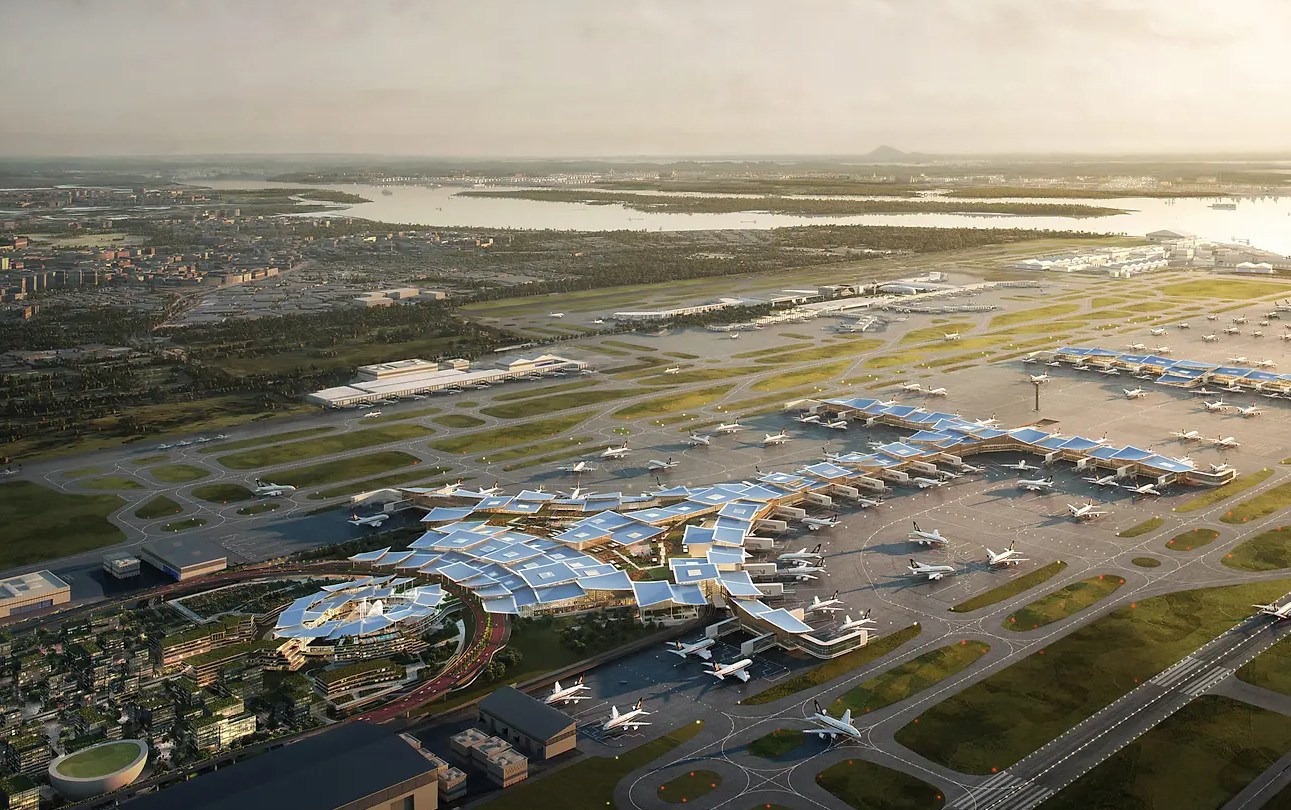

SINGAPORE: Prime Minister and Finance Minister Lawrence Wong announced in Parliament on 18 February that an additional S$5 billion will be allocated to the Changi Airport Development Fund (CADF) to support the growth of Changi Airport, including the much-anticipated construction of Terminal 5 (T5).
The enhanced funding is aimed at ensuring Singapore's air hub remains competitive and continues to serve as a vital link for global travel and trade.
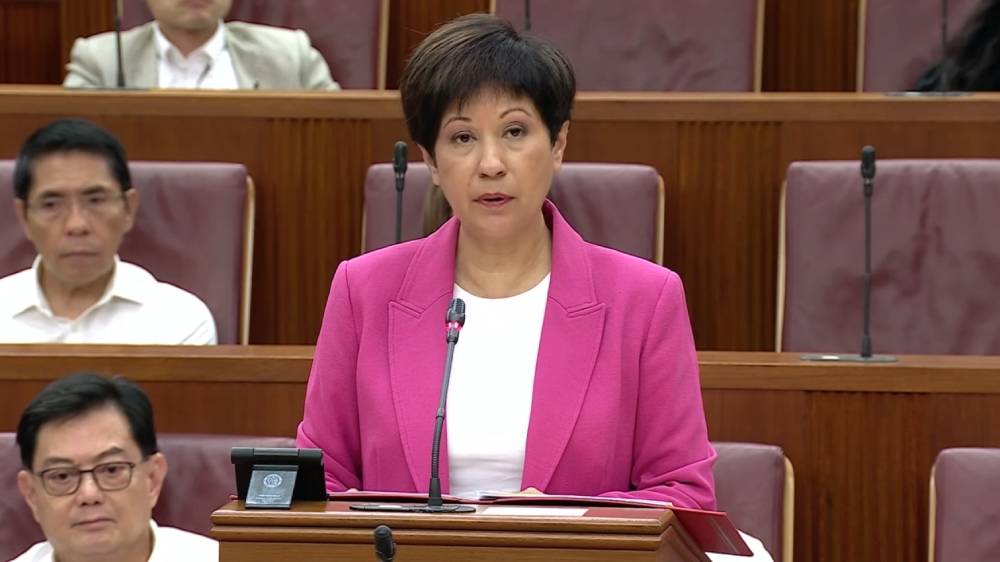
“This injection of resources will ensure that we have sufficient capacity to develop our air hub and preserve Singapore’s position as a critical gateway for the movement of people and goods,” PM Wong said in his Budget speech.
The Government will also provide a guarantee to Changi Airport Group, which operates the airport, to help reduce the cost of borrowings necessary for the development of Terminal 5 and other essential infrastructure at Changi East.
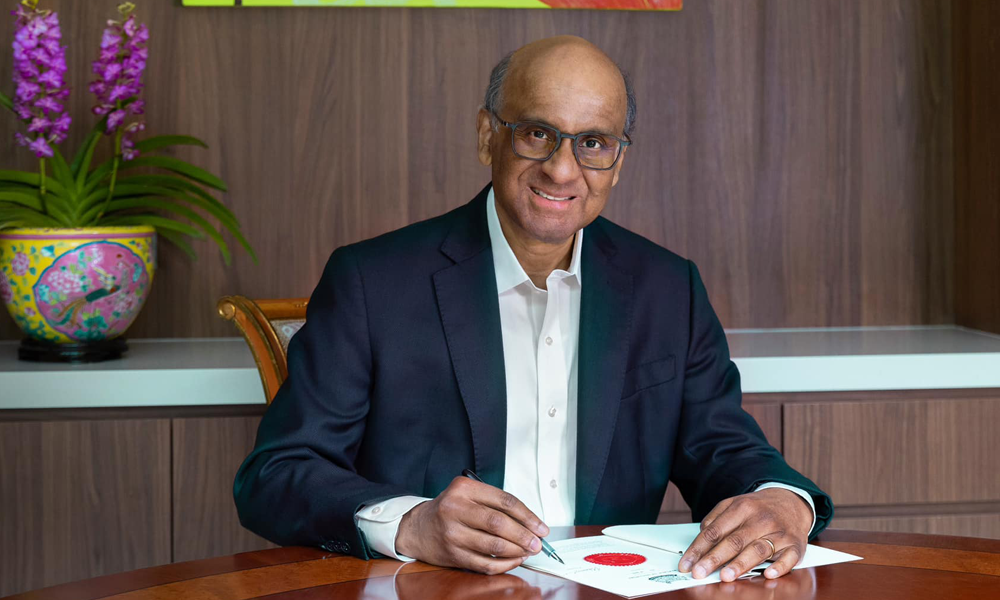
This move, made with the concurrence of President Tharman Shanmugaratnam, is designed to bolster Singapore’s aviation sector as it prepares for the next phase of growth.
T5 will be a key component of the new Changi East development, a sprawling 1,080-hectare area that is set to be Changi Airport’s largest expansion project to date. This expansion will be three times the size of Marina Bay, underscoring the scale of the ambition.
PM Wong revealed that construction work for T5 is slated to begin in the first half of 2025, with the terminal expected to open in the mid-2030s.
When completed, T5 will increase Changi’s overall passenger capacity by more than 50%, with the new terminal capable of handling up to 50 million passengers annually in addition to the existing capacity of 90 million.
The Changi Airport Development Fund was initially set up in 2015 with an investment of S$3 billion. It was subsequently topped up by S$1 billion in 2016 and another S$2 billion in 2023.
The government’s commitment to further boosting the CADF demonstrates its dedication to long-term infrastructure planning, ensuring that Singapore remains connected to the world physically and digitally.
Beyond aviation, PM Wong also highlighted the ongoing progress in other critical infrastructure projects, including the Tuas Port development. When fully completed in the 2040s, Tuas Port will become the world’s largest fully automated port.
In 2024, Singapore’s port set a new record, handling 3.11 billion gross tons in arriving ship traffic and an all-time high of 41.12 million shipping containers.
This solidifies Singapore’s position as the world’s second-busiest container port, after Shanghai.
Additionally, Singapore continues to enhance its digital connectivity with the rollout of islandwide 5G coverage and upgrades to the Nationwide Broadband Network, which will offer speeds up to 10 times faster than current capabilities.
PM Wong stressed that these advancements will strengthen the nation’s ability to compete on the global stage, both in terms of physical infrastructure and digital capabilities.