Affiliated students see up to seven-point cut-off advantage in secondary school admissions
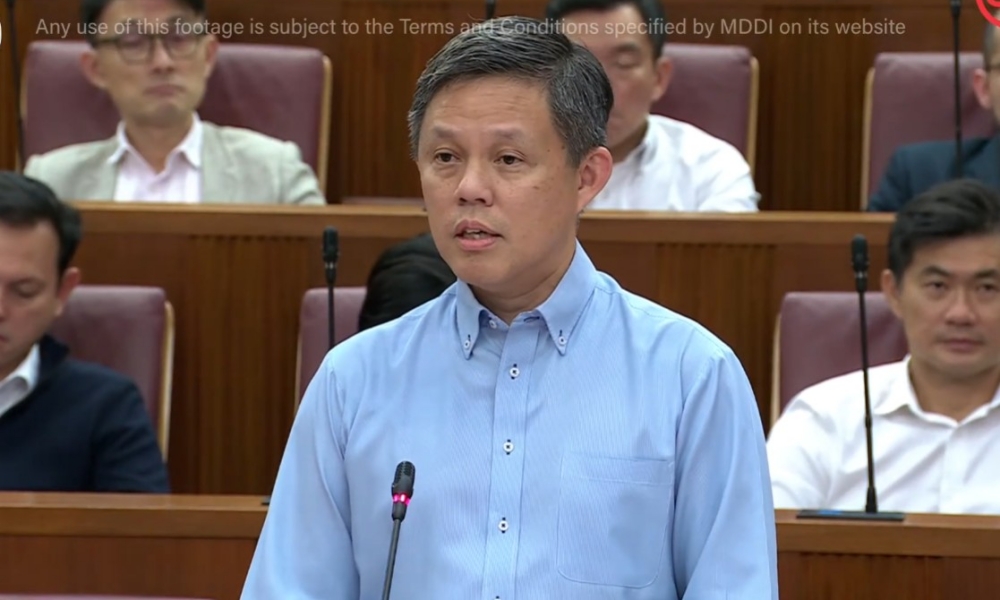
Education Minister Chan Chun Sing reported that since 2021, the average cut-off point difference between affiliated and non-affiliated students in secondary school admissions is seven points in Posting Group 3, while Groups 2 and 1 have smaller differences of two and one point, respectively.


Education Minister Chan Chun Sing disclosed in a written parliamentary reply that the average cut-off point difference between affiliated and non-affiliated students in secondary school admissions can be as large as seven points, depending on the Posting Group.
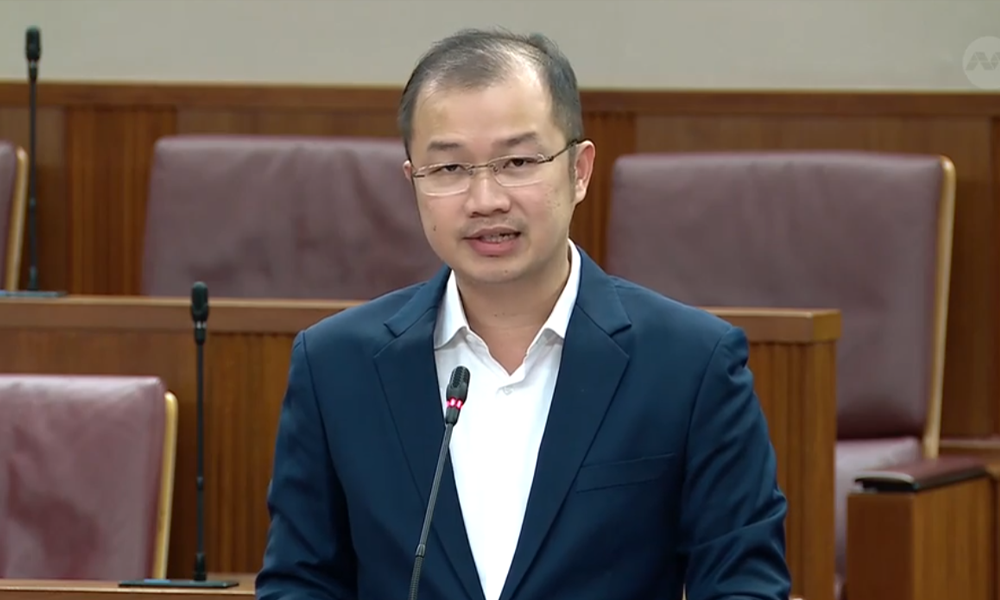
His response came in reply to Workers’ Party Member of Parliament for Sengkang GRC, Chua Kheng Wee Louis, who sought clarification on admission disparities since 2021.
For Posting Group 3, the average cut-off point difference is about seven points, while for Posting Groups 2 and 1, the differences are smaller at two and one point, respectively.
Chan explained that the wider difference in Posting Group 3 reflects the broader range of Primary School Leaving Examination (PSLE) scores in that group, compared to the narrower score ranges in Groups 2 and 1. The median cut-off point differences reflect the same trends as the averages.
Starting from the 2023 Primary 6 cohort, students will be posted to secondary schools through the three newly introduced Posting Groups: Posting Groups 1, 2, and 3.
These groups are mapped from the existing PSLE score ranges for the Normal (Technical), Normal (Academic), and Express streams, respectively.
The Ministry of Education (MOE) stated that these groups will guide the secondary school admission process and determine students’ initial subject levels when they begin Secondary 1. However, the groups will not affect students’ school life beyond the initial posting and subject placement.
Chan also noted that since the 2021 Secondary One Posting Exercises, about half of the students admitted to affiliated secondary schools have come from non-affiliated primary schools, while the other half are from affiliated primary schools. This reflects the current balance the ministry has established to ensure equitable access.
In 2019, MOE implemented a requirement for affiliated secondary schools to reserve at least 20% of their places for non-affiliated students.
This measure was introduced to reduce stratification and increase access for students from diverse backgrounds. Some schools have since gone further by tightening their Affiliate Minimum Requirements, making it more challenging for affiliated students to qualify for priority admission.
Chan highlighted the need to balance three key policy objectives: right-siting students based on their strengths and interests, supporting distinctive school cultures, and promoting social cohesion.
He acknowledged that the affiliation policy has benefits, such as providing continuity in instilling school values and traditions, but emphasised that inclusivity and cohesion remain important.
“While this may be the current balance that we have established for now, we will continue to adjust and make further refinements as time goes by and circumstances change, so that we can achieve the right balance for the future,” Chan said.
MOE previously explained that the introduction of Full-Subject Based Banding, alongside the Posting Groups, aims to offer more flexible educational pathways. This is intended to help students explore their strengths and reduce the long-standing divides between academic streams.
Chan acknowledged that balancing competing policy objectives requires continuous monitoring and adjustments as societal needs evolve.
“While this may be the current balance that we have established for now, we will continue to adjust and make further refinements as time goes by and circumstances change, so that we can achieve the right balance for the future,” he said.
With Full-Subject Based Banding now implemented across secondary schools, Chan suggested that students are better positioned to be right-sited based on their strengths and interests, further contributing to the goal of reducing stratification in education.
Chua’s query comes amid ongoing public discussions about whether the affiliation policy creates barriers for students from non-affiliated schools.