Singapore ministers urged by CPJ to withdraw threats against media over public interest reporting
Singapore ministers Tan See Leng and K Shanmugam face criticism from the Committee to Protect Journalists (CPJ) for threatening legal action against media outlets over reports questioning transparency in property purchases. CPJ condemned these actions, citing their detrimental impact on press freedom.


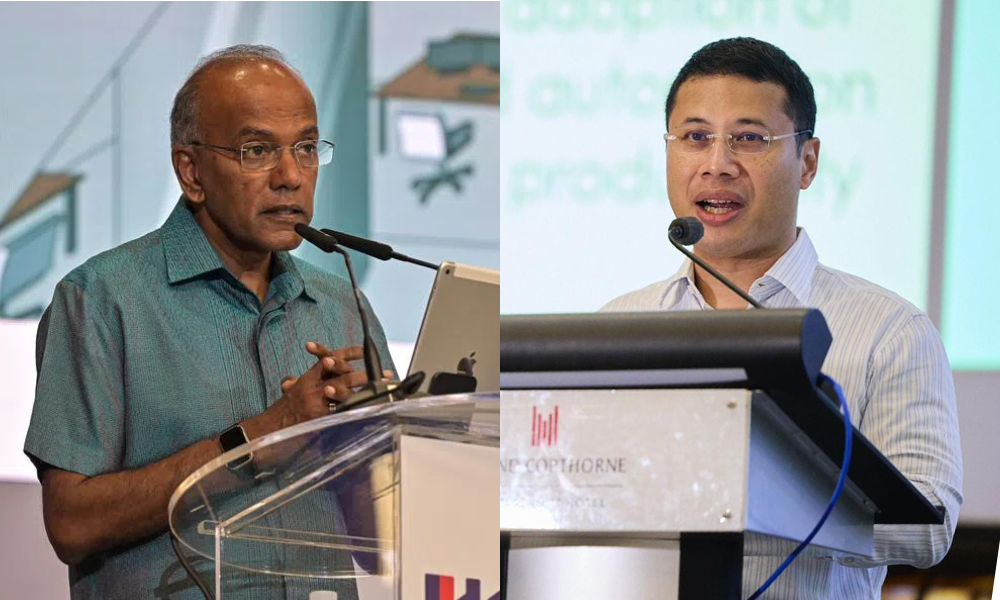
The Committee to Protect Journalists (CPJ) has called on Singapore’s Minister for Manpower Tan See Leng and Law and Home Affairs Minister K Shanmugam to withdraw threats of legal action against media outlets.
In its statement on 10 January, the international nonprofit organization criticised these actions as undermining press freedom in the city-state.
“The threats of legal action by Singapore ministers against media outlets, as well as the government’s recent order to ‘correct’ reporting, severely undermine press freedom in the country,” said CPJ Program Director Carlos Martinez de la Serna.
He also urged the Singapore government to cease using the Protection from Online Falsehoods and Manipulation Act (POFMA) to stifle journalism.
The controversy stems from the Bloomberg report titled “Singapore Mansion Deals Are Increasingly Shrouded in Secrecy", published on 12 December 2024, which alleged a lack of transparency regarding the purchase of multimillion-dollar houses in Singapore.
In response, both ministers issued Facebook statements on 15 December, stating their intention to pursue legal action against Bloomberg and “similar action against others who have published libellous statements about those transactions.”
On 23 December, the Singapore government invoked POFMA to order Bloomberg and three other outlets—The Edge Singapore, The Independent Singapore, and The Online Citizen—to issue public corrections concerning their reports on the matter.
The Edge Singapore and The Independent Singapore subsequently removed their posts, while all four outlets complied with the correction orders.
The Edge Singapore also apologised to the two ministers as demanded. Bloomberg and The Online Citizen, however, stated they stood by their reporting. As of 10 January 2025, their articles remain accessible.
POFMA has faced international criticism for granting Singaporean ministers broad powers to demand corrections or removals of online content. CPJ described the law as providing “broad and arbitrary powers” that stifle dissent and independent journalism.
“The use of POFMA and threats of legal action appear aimed at discrediting journalists and undermining their work,” Martinez de la Serna said.
According to CPJ, Tan and Shanmugam’s offices did not respond to its emails requesting comment on the matter.
So far, no news has emerged from the two ministers regarding whether they are seeking permission to serve their writ of summons to Bloomberg or Terry Xu, chief editor of The Online Citizen, after they failed to comply with the demands before the given deadline.
The incident has further highlighted the challenges facing press freedom in Singapore, where critics argue that the government often utilises defamation laws and other regulations to control the narrative.
CPJ reiterated its call for Singapore authorities to respect the role of independent journalism in ensuring transparency and accountability. The organisation urged the withdrawal of all legal threats and an end to practices that could suppress public interest reporting.