Lawrence Wong’s leadership, housing policies, and political freedoms under scrutiny
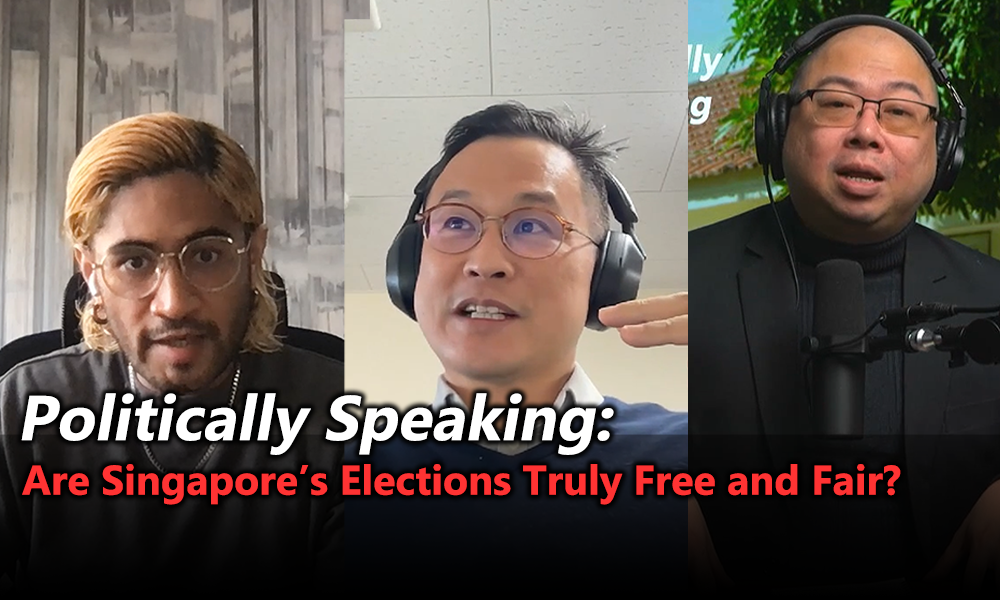
A panel discussion featuring Terry Xu, PJ Thum, and Sean Francis dissected Singapore’s political future. Topics ranged from housing and economic inequality to the PAP's election strategy, the role of the opposition, and the nation’s readiness for change under Lawrence Wong’s leadership.


A lively panel discussion took place on Sunday evening, featuring political commentators Terry Xu, Chief Editor of The Online Citizen; Thum Ping Tjin, Founder and Managing Director of New Naratif; and Sean Francis Han, former Editor-in-Chief of Wake Up Singapore and activist. The conversation spanned the People's Action Party's strategies, housing policy implications, the potential emergence of a stronger opposition, the evolving social compact, and concerns over political freedoms. The discussion opened with Xu introducing the topic of Lawrence Wong's speech at the 70th PAP Anniversary, where the Prime Minister emphasised stability, unity, and continuity within the ruling party. Xu questioned whether these themes signalled internal party challenges or a response to a politically charged electorate increasingly critical of bread-and-butter issues like cost of living and housing affordability. Thum critiqued the PAP's recurring narrative, summarising Wong's speech as a plea for trust in the party to sustain Singapore's growth. Thum remarked, "The PAP's transition to a new era under Wong is stage-managed to highlight stability while downplaying the systemic inequalities exacerbated by decades of policy choices." He questioned the feasibility of Wong delivering meaningful change, given the entrenched structures and incentives guiding the government. Francis echoed Thum's scepticism but highlighted Wong’s efforts to adopt a more relatable persona, leveraging social media and cultural symbols. "There is an attempt to connect with younger voters, positioning himself as an everyman," Francis noted. He expressed cautious optimism that this strategy could lead to a less fear-driven election campaign, focusing on substantive policy discussions instead.