Chan Chun Sing: MOE explores central kitchen model amid school canteen stallholder shortage
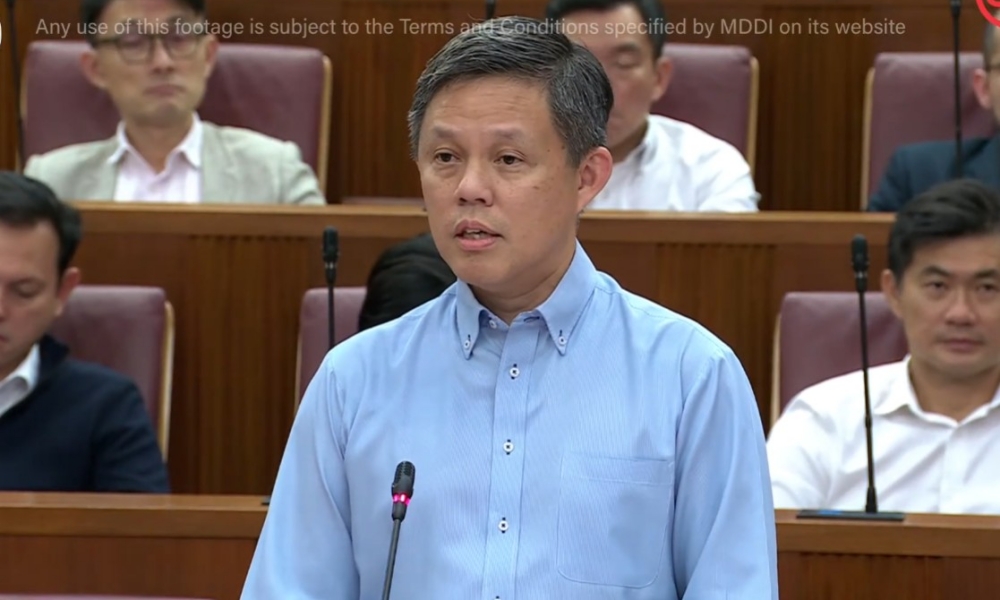
Education Minister Chan Chun Sing shared on 12 November that MOE is exploring models like central kitchen-based meal preparation to address challenges in securing canteen stallholders. This model, successfully piloted at Yusof Ishak Secondary School, involves meals being prepared centrally and delivered, with MOE supporting affected vendors.


Education Minister Chan Chun Sing on 12 November explained that Ministry of Education (MOE) is exploring alternative models, such as central kitchen-based meal preparation, to address challenges some schools face in finding new canteen stallholders.
He acknowledged that the issue of finding new vendors is expected to intensify as current stallholders retire.
In this model, which has been successfully piloted at Yusof Ishak Secondary School, meals are pre-ordered, prepared at a central kitchen, and delivered to schools.
"Where there are existing storeholders impacted by such a transition, schools will help by referring them to nearby schools or recommending them for employment by the central kitchen operator," Mr Chan said.
MOE also supports vendors affected by this transition by referring them to nearby schools or offering them positions with the central kitchen operator.
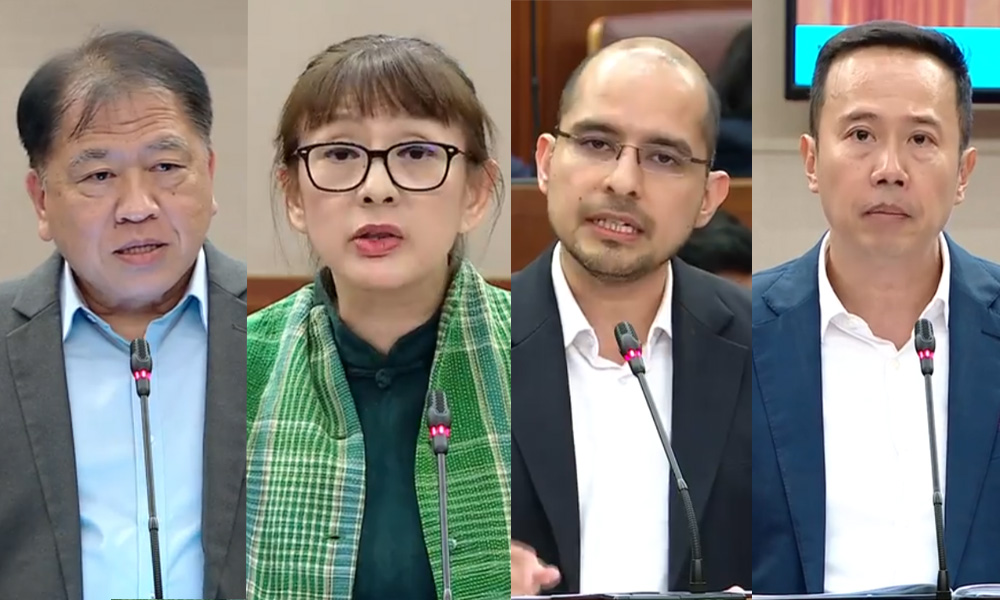
Mr Chan was responding to parliamentary questions filed by Workers' Party MPs, Louis Chua and He Ting Ru.
Louis Chua inquired about the MOE’s stance on directly subsidising school canteen vendors to help them manage the rising expenses associated with healthier ingredients and adherence to nutritional standards.
He asked if the Ministry had conducted feasibility studies on such subsidies, reasons for not considering direct financial aid, and what measures are currently in place to maintain quality and nutritional standards without sacrificing affordability.
Ms He raised concerns regarding the impact of canteen stall closures on students' access to quality, affordable meals.
She questioned whether the Ministry is examining how such closures could disproportionately affect children from lower-income families.
Ms He suggested potential solutions, such as introducing government-funded freshly packed meals prepared by central kitchens or mandating on-site kitchens in schools staffed by hired workers, aiming to ensure that all students have consistent access to nutritious food during school hours.
In response, Mr Chan highlighted MOE collaborates with schools to monitor food quality, quantity, and prices in line with the Health Promotion Board’s (HPB) guidelines.
Canteen vendors are required to serve balanced meals covering four main food groups: carbohydrates, proteins, vegetables, and fruits. This standard aims to support students’ growth and development.
He said canteen stall rentals are set at a low rate, between S$5 and S$15 per month, and are waived during school holidays. MOE also periodically reviews food pricing guidelines to help vendors maintain affordable, healthy options.
Mr Chan assured that students on MOE's Financial Assistance Scheme receive meal subsidies, and schools are allocated additional funds to assist students who need further help, ensuring that children from lower-income backgrounds can access nutritious meals during school hours.
Ms He questions sustainability of current food model as schools turn to vending machines for meals
In his supplementary questions, Mr Chua asked if MOE has conducted studies on the percentage of canteen food meeting HPB nutritional guidelines, and whether MOE would consider expanding the centralized catering model for easier monitoring and improved financial sustainability for stallholders.
In response, Mr Chan stated that MOE collaborates with HPB to regularly assess canteen food quality, taking immediate action when issues arise, and explained that expanding the central kitchen model would be based on each school’s specific needs, with transitions made accordingly.
Ms He raised concerns about some schools resorting to vending machines for meals, questioning whether this indicated sustainability issues with the current food provision model.
In response, Mr Chan explained that vending machines are just one of many options used in schools, mainly to reduce manpower needed for serving drinks and to allow staff to focus on preparing hot meals.
Minister: MOE helps stallholders source cost-effective produce, with decisions left to operators
Mr Yip Hon Weng, PAP MP for Yio Chu Kang SMC, asked if the MOE had considered implementing a school-based meal program similar to the one in Japan and whether there were any preliminary considerations or challenges in adopting such a model in Singapore.
He also inquired whether the Ministry had explored collaborations with local farms or producers to supply fresh, nutritious ingredients to reduce costs for school canteens.
Minister Chan said the Ministry's efforts to help canteen stallholders source the most cost-effective produce for their stalls, whether local or overseas, with a focus on ensuring the suitability and cost-effectiveness of the ingredients.
He emphasised that these operational decisions are left to the canteen operators.
Regarding the school-based meal program, Minister Chan explained that the cultural context in Japan differs significantly from Singapore, particularly in terms of school canteen structures and student habits.
He noted that Japanese schools often do not have large canteens, with many students bringing their own food from home or eating in classrooms.
He highlighted that Japanese students also take on civic responsibilities, such as cleaning their classrooms after meals, which is different from Singapore's model.