Singapore
Singaporean teen arrested under ISA for alleged terror plot weeks before planned attack
A 17-year-old Singaporean has been arrested under the Internal Security Act for allegedly planning a terror attack using a knife or scissors. The Internal Security Department claims the teen, self-radicalised through online extremist material, planned to target non-Muslim males near Tampines West Community Centre.

A 17-year-old Singaporean student was arrested in August under the Internal Security Act (ISA) for allegedly planning a terror attack in a Housing Board area, according to a press release by the Internal Security Department (ISD) on Friday (18 Oct).
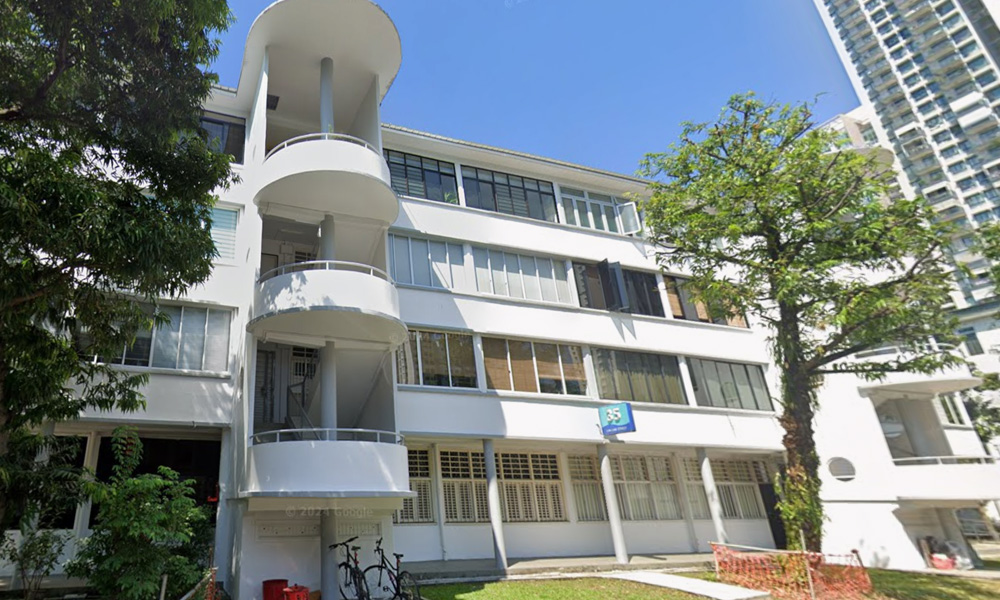
The youth, described by ISD as a supporter of the Islamic State (IS), allegedly intended to attack non-Muslim males near Tampines West Community Centre using a knife or scissors during the September school holidays.
The ISD claims the teenager had self-radicalised online and planned to execute the attack as an act of jihad.

According to ISD, such attacks, involving everyday items like knives, require minimal preparation and are difficult to anticipate. This case marks the fifth reported instance since 2020 of self-radicalised youth planning attacks in Singapore, as stated by the department.
Alleged preparations for attack
The ISD claims that the youth had identified a high-footfall area near his home for the attack and had conducted what ISD describes as a “walkthrough” in June to familiarise himself with the route.
ISD alleges that he had been practising stabbing techniques with scissors to inflict maximum damage by targeting his victims’ necks. They state that he was less than a month away from carrying out his plan when he was arrested.
Additionally, ISD reports that the youth drafted a declaration of jihad, which he planned to release before his alleged attack, supposedly hoping to inspire others to engage in similar violent acts. The youth has been issued a two-year detention order under the ISA.
Claims of self-radicalisation
The ISD report suggests that the youth became exposed to radical online material in August 2023 while searching for religious teachings.
ISD alleges that he encountered content from foreign preachers and, over time, began to adopt segregationist views, including beliefs that Muslims should not interact with non-Muslims. These claims, however, are based on the ISD’s own investigation, and no independent verification has been provided.
According to ISD, the conflict between Hamas and Israel on 7 October 2023 led to a surge in online extremist material, particularly from IS and other terrorist groups.
The youth reportedly consumed such content and began to believe in the IS narrative of armed violence to establish an Islamic caliphate. ISD claims that, by January 2024, the youth was aspiring to become a martyr for IS and had joined online groups associated with the organisation. However, no independent sources have confirmed these details.
Intent to join IS in Syria
Before planning the alleged local attack, ISD states that the youth had considered travelling to Syria to join IS forces.
The department claims that he had reached out to an online contact based in Syria and had researched flight routes, though no specific timeline for travel was provided.
According to ISD, the youth ultimately decided to plan a local attack in Singapore, believing it would be easier to carry out without arousing suspicion.
ISD further alleges that the youth saw National Service (NS) as a means to gain combat skills, even though he reportedly viewed the Singaporean government as secular and incompatible with his beliefs. The claims about his motivations and plans are solely based on ISD’s account.
Broader context and security concerns
The ISD has pointed to this case as part of a broader trend in which youths are becoming radicalised through online materials. Since 2020, five self-radicalised youths have been arrested under the ISA, according to the department.
ISD suggests that the accessibility of online extremist content continues to pose a significant security threat, and this latest case adds to ongoing concerns about homegrown radicalisation in Singapore.
The ISA, which allows for detention without trial, has long been a tool used by Singaporean authorities to deal with suspected threats to national security.
However, the lack of transparency around the detainees’ cases and the difficulty in independently verifying the claims made by ISD have raised questions among some observers.
Authorities, including the ISD, emphasise the importance of monitoring online spaces to prevent further cases of radicalisation.
However, without independent verification of the facts presented by ISD due to the lack of trial, it remains challenging to fully assess the specifics of this case.
Speaking to the media on Friday (18 October), Law and Home Affairs Minister K Shanmugam stated that the youth had been inspired by ISIS propaganda and was aware that he would be intercepted by authorities.
“He had made up his mind to die during the attack because he wanted to become a martyr,” Mr Shanmugam said.