Singapore passes law banning false digital depictions of election candidates
Singapore passed the Elections (Integrity of Online Advertising) (Amendment) Bill, or Eliona Bill, on 15 October 2024. The law claims to safeguard the electoral process by preventing digitally manipulated depictions of candidates, especially AI and deepfake content.


Singapore has introduced significant amendments to its election laws to prevent the spread of digitally manipulated depictions of candidates during election periods. The Elections (Integrity of Online Advertising) (Amendment) Bill, referred to as the Eliona Bill, was passed by Parliament on 15 October 2024.
The legislation modifies the Parliamentary Elections Act 1954 and the Presidential Elections Act 1991 to prohibit the publication of online election advertising containing certain digitally altered or generated content about candidates.
This law claims to aim at maintaining the integrity of Singapore's electoral process by blocking the dissemination of false or misleading representations of candidates, especially in the context of rapidly advancing technologies such as artificial intelligence (AI) and deepfake manipulation.
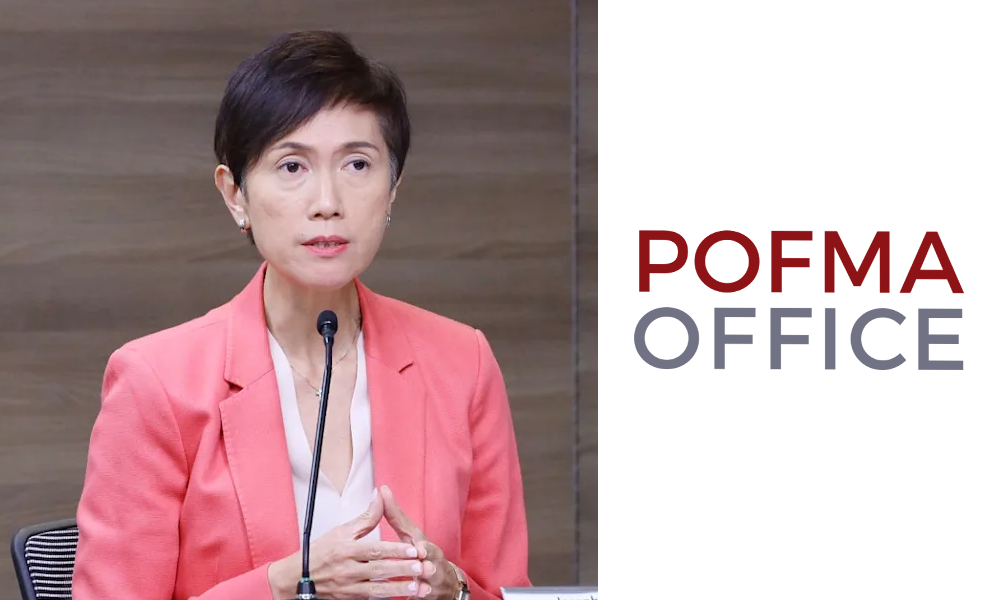
Josephine Teo, Minister for Digital Development and Information, described the law as necessary to counter “the most harmful types” of election-related misinformation that could deceive the public.
With Singapore's next general election expected by November 2025, the law is designed to target content that presents realistic yet false depictions of candidates.
Legal Framework and Application
To fall under the prohibition, content must meet four conditions: it must be related to online election advertising, be digitally manipulated, depict an untrue representation of the candidate, and be realistic enough for some members of the public to believe it.
This includes not only AI-generated content but also traditional methods of manipulation such as Photoshop and video splicing.
Teo referenced similar legislative measures in countries like South Korea and Brazil, where deepfakes have proliferated. A recent Verian research study found that 60% of Singaporeans are concerned about the impact of deepfakes in the upcoming election, underscoring the urgency of this law.
However, the law makes exceptions for clearly unrealistic content, such as satire, memes, and cosmetic alterations like beauty filters. Despite these exceptions, merely labelling manipulated content as altered will not guarantee compliance, as labels can be ignored or removed during redistribution.
The law applies regardless of the content's political bias. It also covers the sharing and reposting of manipulated content in large chat groups on platforms like WhatsApp and Telegram, where public dissemination is possible. Private messages between individuals or in small groups are not subject to this regulation.
Enforcement and Provisions
The law grants the returning officer the authority to issue corrective directions, such as requiring the removal or disabling of access to prohibited content during the election period.
It applies from the issuance of the Writ of Election to the close of polling on Election Day and covers only candidates officially declared by the Elections Department.
Individuals found guilty of publishing prohibited content face legal penalties. Under the new law, any person convicted of this offence in a District Court will be liable to a fine not exceeding S$1,000, imprisonment for up to 12 months, or both. This provision seeks to deter the intentional spread of manipulated content while allowing for a defence for those who inadvertently commit the offence, such as unknowingly sharing manipulated media.
Social media platforms that fail to comply with the removal of prohibited content may be fined up to S$1 million, while individuals may face a fine not exceeding S$1,000 or imprisonment for up to 12 months. These penalties are consistent with those imposed under similar content regulation legislation in Singapore.
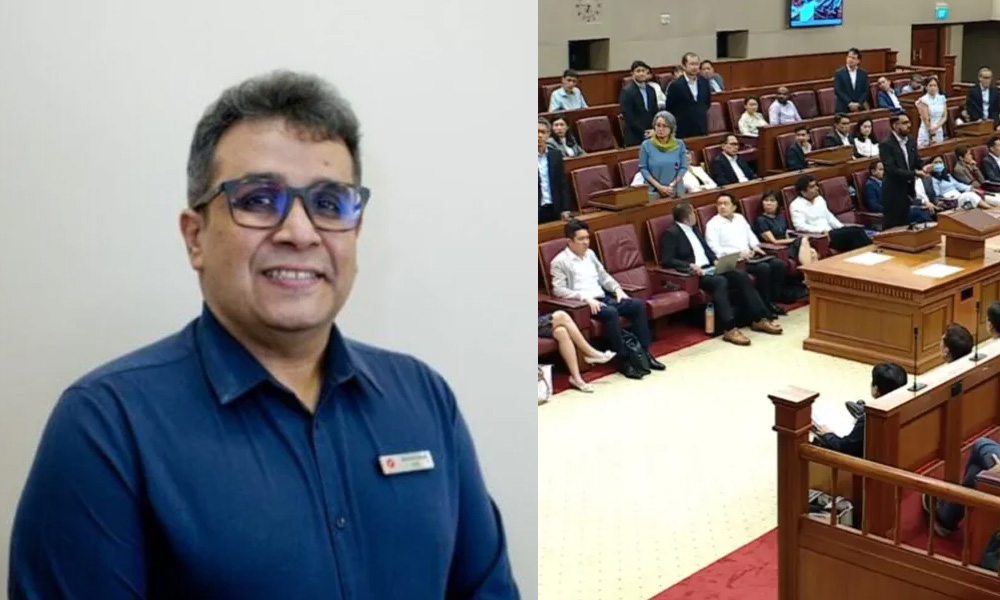
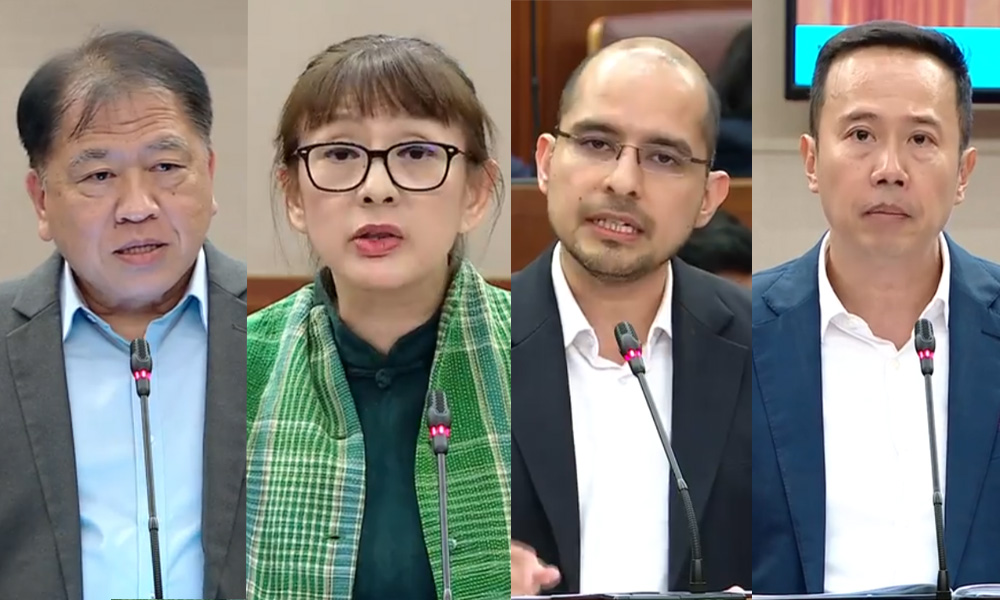
Teo addressed concerns raised by MPs Yip Hon Weng of the People’s Action Party and He Ting Ru of the Workers’ Party regarding misleading information potentially influencing public opinion before the official election period. She acknowledged the risk but explained that the law cannot take effect until an election is officially underway due to the legal framework of the Writ of Election.
To bridge this gap, the government is developing a Code of Practice that would require social media platforms to implement safeguards against manipulated content before the election period. The code is expected to be finalised by 2025.
Candidates will play a key role in identifying false content, as they are best positioned to quickly verify the accuracy of representations. To prevent misuse, any candidate who knowingly makes a false or misleading declaration will face penalties.
An independent technical assessment will also be conducted to detect manipulated content, using both commercial detection tools and in-house solutions. A dedicated team will be deployed during election periods to monitor and act on prohibited content.
Positive AI-generated content of candidates is also prohibited
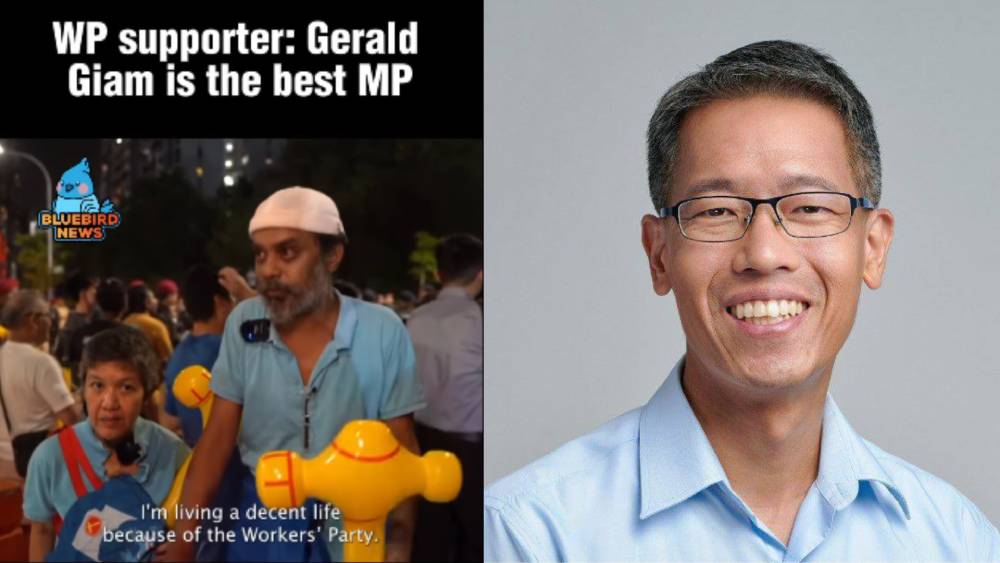
During the debate, Workers’ Party MP Gerald Giam raised a crucial point about how the Eliona Bill might limit the use of AI technology in political campaigns, particularly for opposition parties that face a resource disadvantage compared to the ruling People’s Action Party (PAP).
Giam questioned whether using AI to deliver a pre-approved, scripted message from a candidate—despite being accurate—would be restricted under the law.
Giam drew parallels to television, which has long used virtual images of candidates to communicate with the public, asking why AI-generated videos should be treated differently.
In response, Minister Teo clarified that AI-generated content, even if pre-approved by a candidate, would fall under the law’s restrictions.
"Notwithstanding the fact that the script was approved by me and it could have been penned by me, that image itself is problematic. I did not actually stand in front of a camera and articulate those words. So the way the bill is designed is to not offer any room for misunderstanding," said Teo.