K Shanmugam: Estimated 853 stateless persons live in Singapore, including 20 under age 18

In a Parliamentary reply, Minister Shanmugam stated that, as of 31 December 2023, approximately 853 stateless individuals live in Singapore. Among them, 7 are under the age of 12, and 13 are between 12 and 18. He highlighted the stringent Singapore citizenship policies while noting that access to healthcare and education for stateless students depends on meeting specific admission criteria.

Featured Image
Comments
Google News

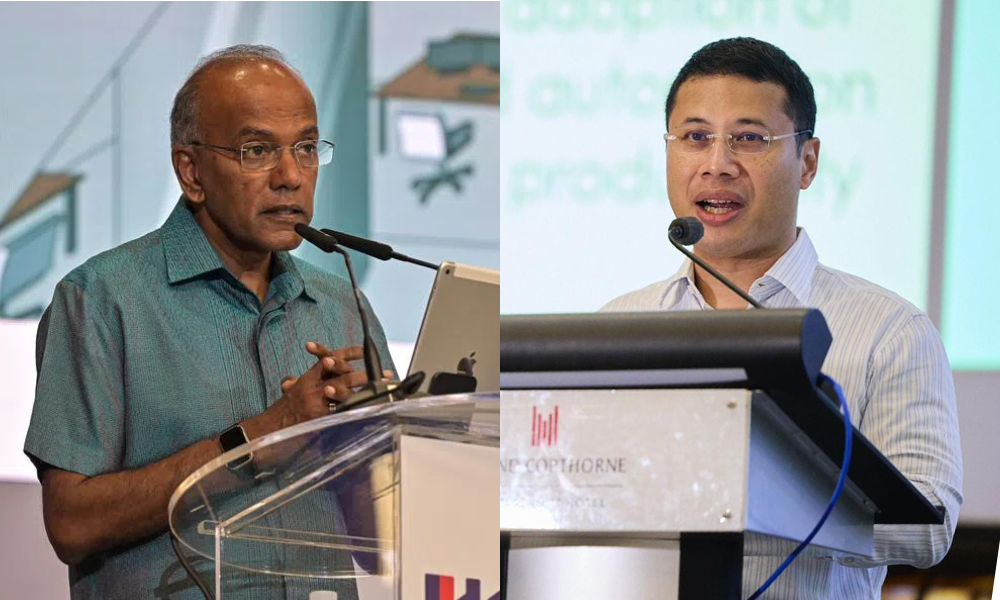
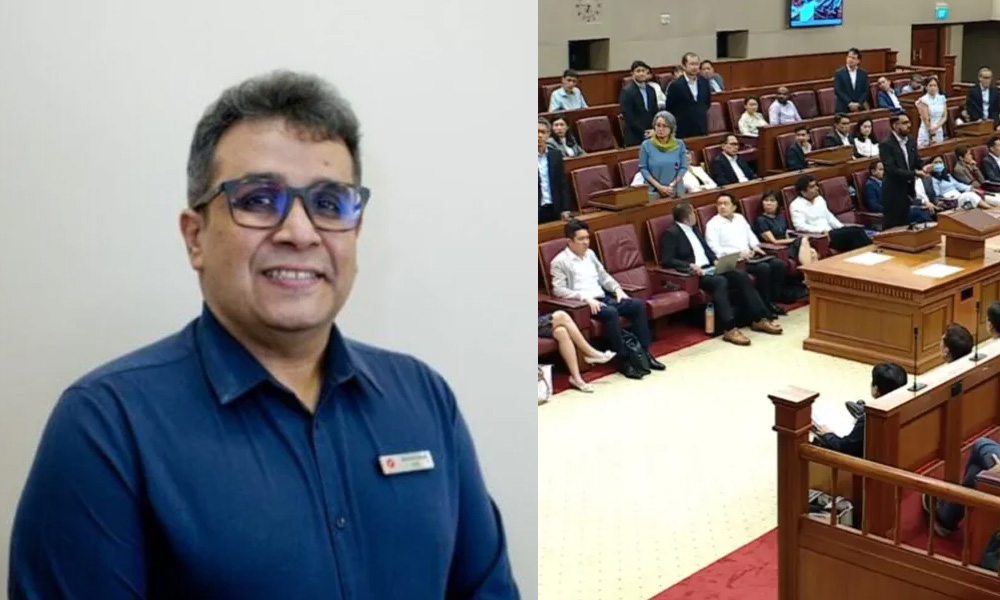
SINGAPORE: As of 31 December 2023, an estimated 853 stateless persons reside in Singapore, as shared by Mr K Shanmugam, Minister for Home Affairs and Minister for Law. In a written parliamentary reply on 15 October, he noted that there are seven stateless persons under the age of 12 and thirteen between the ages of 12 and 18, which constitutes 2.3% of the total number of stateless individuals in Singapore. He explained that their circumstances vary, with one reason being that some were born in Singapore to foreign parents who did not secure citizenship for their child in their home country. Minister Shanmugam emphasised that it is the responsibility of parents or legal guardians to ensure the child’s well-being, including obtaining citizenship for their child. However, he assured that if a child or young person lacks a willing or capable parent or caregiver for guardianship in Singapore, they may receive statutory protection under the Children and Young Persons Act. Minister Shanmugam disclosed the number of stateless persons in response to questions from Members of Parliament concerning stateless children and young people living in Singapore. Nominated Member of Parliament Assoc Prof Razwana Begum Abdul Rahim submitted three PQs regarding the number of stateless children and young people in Singapore, legal parental responsibilities, the country's compliance with the UN Convention on the Rights of the Child, and the support services available for their accommodation, healthcare, and education.

Singapore's Reservation to Article 7 of the UN Convention on the Rights of the Child

In response, Minister Shanmugam reiterated that Singapore does not automatically grant citizenship to a child simply because they are born here. He highlighted that the Singapore Constitution automatically confers Singapore citizenship (SC) on children born in Singapore to married parents, provided that at least one parent is an SC. "If the child is born to foreign parents, we do not automatically confer citizenship, and would assess any citizenship application alongside all other applications." He explained that applications for SC are evaluated based on various criteria, including the applicant's conduct and contributions, their links to Singapore (such as family members who are Singaporeans), and the duration of their stay in Singapore. The circumstances surrounding a person's statelessness are also considered. Due to Singapore's citizenship policy, the city-state has made a reservation to Article 7 of the United Nations Convention on the Rights of the Child, as explained by Minister Shanmugam. Article 7 stipulates that every child has the right to be registered immediately after birth and to have a name and nationality, in accordance with national laws and obligations under relevant international instruments.

Access to Healthcare, Education, and Housing for Stateless Persons

Nevertheless, Minister Shanmugam stated that regarding access to healthcare, education, and housing, stateless persons who are Permanent Residents (PRs) are treated the same as other PRs. Stateless individuals who are not PRs can utilize the MediSave accounts of their SC or PR family members. Stateless children and young people under state care can access healthcare subsidies through the Medical Fee Exemption Card and may also consult the healthcare institution's medical social workers. For education, stateless students may enroll in mainstream schools and tertiary institutions, provided they meet the admission criteria. They can seek school-based assistance and also consult social service agencies for advice on available financial aid. In terms of housing, stateless individuals who are not PRs cannot buy or rent a flat from the Housing and Development Board (HDB). However, they can reside in an HDB flat as an occupier if they are part of an eligible SC or PR family. For those facing genuine housing difficulties and lacking alternative options, Minister Shanmugam said HDB will collaborate with relevant agencies, such as the Ministry of Social and Family Development, to assess how best to assist them.

Minister Shanmugam Emphasizes the Need for Discerning Citizenship Policies

Separately, Mr Shareal Taha, MP for Pasir Ris–Punggol GRC, in a PQ filed on 14 October, inquired about the current number of stateless residents who have lived in Singapore for more than 20 years and whether MHA would consider granting citizenship to stateless seniors who have resided in Singapore for over two decades. Minister Shanmugam explained that while the overall figures for stateless persons in Singapore may vary, data on their length of residency is unavailable due to the different circumstances under which individuals may have become stateless. For instance, some individuals may have chosen to give up or lost their foreign citizenship during their time in Singapore, while others were born to foreign parents who did not secure citizenship for them. Their stateless status may only be identified when they approach or are referred to the Immigration and Checkpoints Authority (ICA), he added. "Given that there are such cases, we won’t have precise data on how many stateless persons there are; and the precise period for which they have been stateless," Minister Shanmugam explained. He reiterated that applications for Singapore citizenship are evaluated based on a range of criteria, including whether the applicants have family ties in Singapore. Minister Shanmugam cautioned that as one of the world’s smallest and most densely populated countries, Singapore must be highly discerning in granting citizenship. "Hence, we carefully consider all applications for citizenship, on a case by case basis."

The Stories of Stateless Youth and Seniors in Singapore

Last month, The Straits Times highlighted the story of a 25-year-old stateless person living in Clementi who has never attended school and struggles with basic literacy, despite being born in Singapore. Raised by a Singaporean couple, he only learned of his statelessness in 2019 when police officers checked on him, leading to assistance from the Foundation of Rotary Clubs Singapore Family Service Centre, which helped him secure a Special Pass to work. Despite being authorised to work, he faces significant challenges in finding employment due to his status and often feels isolated and inadequate compared to his peers who have received an education.
In addition, social media and news outlets have highlighted the stories of stateless seniors. For instance, a 70-year-old man, who has lived in Singapore for over seven decades, makes ends meet by selling tissues near the Paya Lebar MRT station. He became stateless after losing his Malaysian citizenship at the age of 25 and faces difficulties in obtaining Singaporean citizenship due to language barriers. According to 8World News, the man, who has no children and lacks a stable income, resides alone in the living room of a Housing Development Board (HDB) apartment in Aljunied, where he pays a monthly rent of S$350. In 2022, with assistance from the authorities, he acquired a special pass and now receives S$410 monthly, which has alleviated some of his financial challenges.

Share This