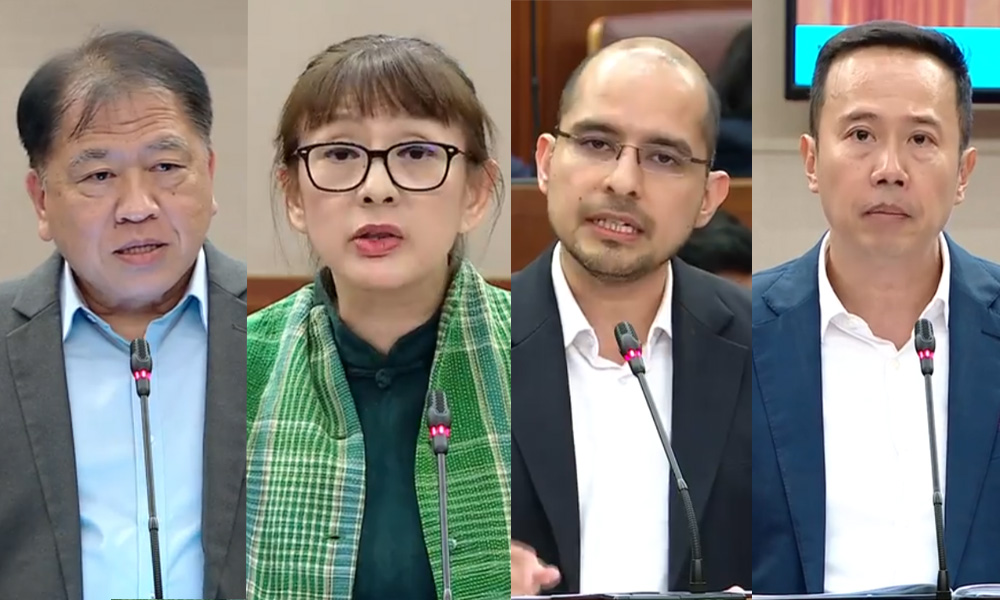
Zaqy Mohamad says Dyson's retrenchment exercise adheres to laws and tripartite advisories
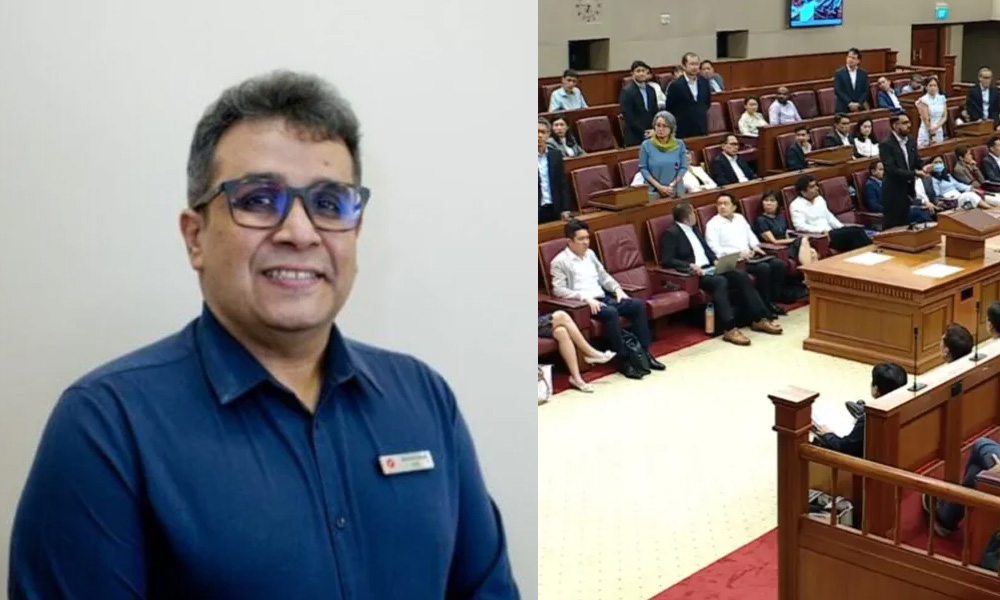
On 15 October, Senior Minister of State for Manpower Zaqy Mohamad informed Parliament that Dyson's recent retrenchment exercise complied with existing laws and tripartite advisories, as the affected PME employees were not covered by the collective agreement. He elaborated that the company cited constraints for not providing more advance notice to the union.


SINGAPORE: On 15 October, Senior Minister of State for Manpower Zaqy Mohamad informed Parliament that Dyson conducted its recent retrenchment exercise in accordance with existing laws and tripartite advisories, noting that the professional, managerial, and executive (PME) employees involved were not covered by the collective agreement. He explained that the company had provided reasons for its inability to offer more advance notice to the union, noting that businesses often face their own constraints. Mr Zaqy was responding to questions from Members of Parliament regarding retrenchment practices and the advance notification of unions, which followed a recent layoff at consumer appliances firm Dyson. The United Workers of Electronics & Electrical Industries (UWEEI) reported that it received only one day's notice and subsequently escalated the matter to the Ministry of Manpower (MOM). As a unionised company, Dyson is subject to these union regulations. In his remarks, Mr Zaqy emphasized that the ministry has engaged both parties and they have agreed to collaborate "in the spirit of tripartism." He contrasted this with other countries where unions and employers often have more confrontational relationships, resulting in a more rigid labour market. Such dynamics can deter investment, as countries must balance employee protections with business flexibility to remain attractive to companies. "If we do not get the balance right, we may think that we are protecting our workers in the short term. But in the longer term, the good jobs for our workers may be reduced," he said. Mr Zaqy stressed the importance of providing businesses with the flexibility to respond to market conditions and adapt their business models to preserve Singapore's economic competitiveness. He clarified that the notice period given to the union in Dyson's case was negotiable because the retrenched employees were not unionised; typically, for unionised employees, the norm is to notify the union a month prior to informing affected employees. He also mentioned that the company submitted its mandatory retrenchment notification to MOM within the required five working days after notifying the affected employees. Additionally, Dyson provided retrenchment benefits to employees who had been with the company for less than two years, despite their ineligibility based on local advisories. Mr Zaqy highlighted the critical role of trust between unions and employers, stating that this trust must be cultivated over time. He urged companies to appreciate Singapore’s tripartite culture and collaborate closely with unions. Managing retrenchment challenges, he acknowledged, is complex. "We need to continue achieving the right balance between the interests of businesses and ensuring that our workers remain protected and well supported during this difficult period of disruption," he concluded.