Singapore launches 15-month biodiversity monitoring plan after oil spill
Researchers in Singapore have initiated a 15-month monitoring plan to assess the impact of the June 14 oil spill on intertidal biodiversity. The effort, led by the National University of Singapore (NUS) and involving several institutions, aims to understand the effects of the spill on marine life in affected coastal areas, including East Coast Park and Sentosa.


Researchers in Singapore have embarked on a 15-month plan to study the environmental effects of the June 14 oil spill on intertidal areas, aiming to understand its impact on biodiversity.
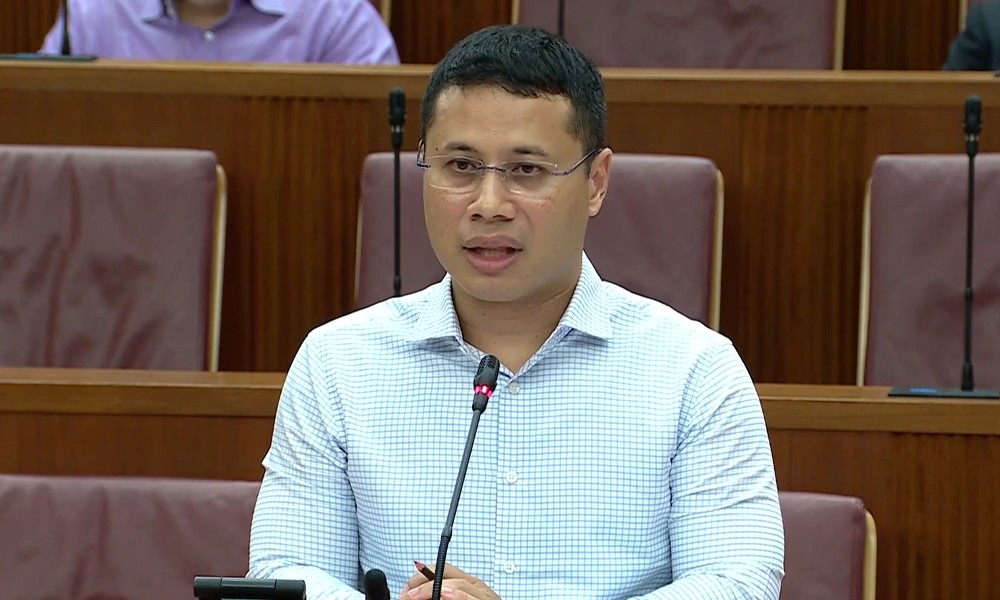
The national plan was announced by Minister for National Development Desmond Lee on 8 October 2024, during a marine science workshop held at the National University of Singapore (NUS).
This initiative will involve multiple local institutions, including the National Parks Board (NParks), St John’s Island National Marine Laboratory, and the National Institute of Education (NIE).
The research team will focus on monitoring the impact of the oil spill on various intertidal areas, which include East Coast Park, Labrador Nature Reserve, and Sentosa.
Additionally, the study will incorporate data from beaches not directly affected by the spill, such as those at Changi Beach Park and Coney Island Park. According to NParks, this approach will enable researchers to compare data and isolate the specific impact of the oil spill on marine life.
Focus on Intertidal Biodiversity
The research involves collecting and analysing sediment samples from both affected and unaffected coastal areas.
Dr Tan Koh Siang, a principal research fellow at NUS Tropical Marine Science Institute (TMSI), highlighted the importance of the study, noting that the oil spill's impact could range from smothering tiny organisms to disrupting their physiological functions due to exposure to toxic chemicals.
"These have not really been looked at, so we are interested to see what effects the oil has on these communities that are not visually obvious," Dr Tan said.
The process will include sieving sediment samples to identify and count various invertebrates, such as small crustaceans, worms, and molluscs. These data will provide insights into the community structure of these organisms, forming a baseline for future studies on environmental changes and the resilience of Singapore's coastal ecosystems.
Details of the Oil Spill
The June 14 oil spill occurred when the Netherlands-flagged dredger Vox Maxima collided with the stationary bunker vessel Marine Honour at Pasir Panjang Terminal.
The incident resulted in the release of approximately 400 tonnes of low-sulphur fuel oil into the sea.
The spill subsequently spread to several biodiversity-rich areas along Singapore’s southern coast, including Sentosa, Labrador Nature Reserve, the Southern Islands, and East Coast Park. By 16 June, the oil was sighted off the coast of Changi as well.
The spill coincided with a marine heatwave, which had led to a bleaching event affecting about 40% of hard corals in the shallow waters of the Southern Islands.
This overlap between the oil spill and environmental stressors like increased sea-surface temperatures has made monitoring efforts more crucial, as the long-term impact on local marine life could be compounded.
Extended Monitoring and Marine Environment Sensing Network
In addition to sediment sampling, researchers plan to leverage existing research initiatives, such as the Marine Environment Sensing Network (MESN).
This project involves deploying research buoys that monitor seawater conditions, including temperature, salinity, acidity levels, and nutrient concentrations.
Currently, one buoy is deployed off St John’s Island, with plans to install two more in the coming months.
Dr Jani Tanzil, facility director of St John’s Island National Marine Laboratory, noted that this data would help in understanding environmental changes and could differentiate between the ecological impacts of the oil spill and other disturbances like the heatwave.

Government Response and Recovery Efforts
Minister Desmond Lee emphasized the need for sustained monitoring efforts to assess both the immediate and longer-term effects of the oil spill.
"While there’s been no significant impact on our marine biodiversity observed thus far, there could be a time lag between the incidence of the oil spill and its effect on biodiversity... We need to continue to monitor the impact, and the recovery, of our marine habitats,” he said.
The data from this monitoring phase will inform potential mitigation and restoration strategies, helping to protect biodiversity-rich areas along Singapore’s coastlines. These efforts will be vital in guiding the recovery of affected ecosystems and ensuring that similar incidents are managed effectively in the future.
Clean-Up Operations
In the weeks following the spill, Singapore undertook extensive clean-up efforts.
On 3 September 2024, Grace Fu, Minister for Sustainability and the Environment, shared an update on Instagram, stating, "I am happy to share that we have completed our clean-up at public spaces from the effects of the oil spill that happened on 14th June. 800 cleaning personnel, 2,300 volunteers, 3,750 tonnes of debris later, we have completed the task for cleaning, ahead of schedule! 💪"
In August 2024, Dennis Tan Lip Fong, Member of Parliament for Hougang SMC, inquired about the status of beach and coastal clean-up operations during a parliamentary session. Minister Grace Fu provided an update, stating that the clean-up is progressing well, with some beaches reopening for activities. The first phase of the operation has concluded, while the second phase focuses on areas with oil trapped deeper in the sand and more challenging spots like rock bunds and breakwaters. Volunteer efforts are also being mobilised to accelerate the reopening of beaches, with the clean-up expected to complete within a month.
However, when pressed for details on clean-up costs and the financial impact on local businesses, Minister Grace Fu noted that the government has yet to finalise expense calculations. She added that the immediate focus remains on completing the clean-up operations and restoring normalcy to affected coastal areas.