Prosecution seeks 6-7 months jail for former minister S Iswaran, defence requests maximum of 8 weeks
The prosecution seeks 6-7 months' jail for S Iswaran, citing delayed restitution. Defence argues for a maximum of 8 weeks, stating no third party suffered harm and the gifts were given as part of personal friendships. Iswaran has maintained the PCA charges were "baseless."
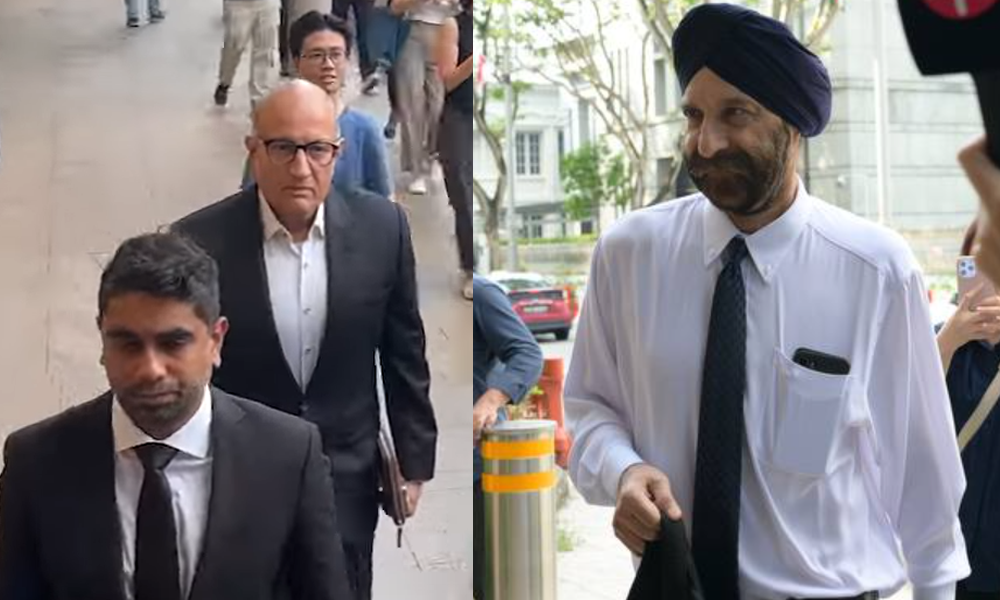

In court, the prosecution has called for a jail sentence of six to seven months for former transport minister S Iswaran, who has pleaded guilty to five amended charges of receiving valuable items and obstructing justice during his time in office with 30 other charges taken into consideration.
Corruption charges were removed from the charges filed against Iswaran.
Deputy Attorney-General (DAG) Tai outlined the sentences sought by the prosecution, which include four months for accepting 10 Formula 1 green room tickets, three months for a private jet flight and hotel stay provided by businessman Ong Beng Seng, and one month each for receiving a foldable bicycle and 14 bottles of alcohol.
Additionally, the prosecution seeks two months for obstructing the course of justice.
DAG Tai emphasized that at least two of these sentences must run consecutively, resulting in a total jail term of six to seven months.
DAG Tai acknowledged that Iswaran had paid back the money involved in the Section 165 charges but criticized the former minister for “disgorging late in the day.”
He explained that disgorgement—a remedy requiring a party who profits from illegal or wrongful acts to give up those profits—was not made early enough to be a strong mitigating factor.
While restitution can demonstrate remorse, DAG Tai pointed out that voluntary restitution made before the commencement of proceedings carries more weight as it shows genuine regret.
If restitution is made solely to reduce punishment, its mitigating value should be limited, he argued.
Moreover, DAG Tai emphasized that restitution primarily compensates victims, whereas disgorgement in this case does not restore the public interest that was harmed.
On the defence side, Counsel Davinder Singh requested that the aggregate jail term for Iswaran not exceed eight weeks.
In mitigation, Mr Singh argued that Iswaran has consistently maintained that the Prevention of Corruption Act (PCA) charges against him were "baseless" from the outset, and he pointed out that Iswaran denied these charges from the very beginning.
Mr Singh countered the prosecution’s criticism of the timing of the restitution, arguing that the offer to return the money was made as soon as the prosecution informed the defence of the amended PCA charges.
He explained that any earlier restitution could not have been made without prejudicing Iswaran’s defence.
Addressing the Section 165 charges, Mr Singh argued that no third party had suffered any losses as a result of Iswaran’s actions.
“It is clear that there is little or no harm occasioned by offences in this case under Section 165, and Mr Iswaran’s culpability is low,” he stated. He emphasized that the items were given to Iswaran as gifts by Mr Ong and Mr Lum, in the context of their personal friendships.
Mr Singh also noted that the Ministry of Trade and Industry had confirmed there was no indication that any Formula 1 contracts were structured to the disadvantage of the government. Similarly, contracts awarded to Mr Lum’s company by the Land Transport Authority were secured before Iswaran became transport minister, and Iswaran had no involvement in them.
Mr Singh highlighted Iswaran’s cooperation with the Corrupt Practices Investigation Bureau (CPIB), asserting that his client had disclosed the gifts truthfully when first interviewed.
Additionally, Mr Singh argued that using past judgments shows that the “sanction” of removing an office holder from their position is often deemed sufficient.
While Iswaran may have committed an offence under Section 165, Mr Singh emphasized that there was no abuse of power in his actions.