Anura Kumara Dissanayake inaugurated as Sri Lanka president, pledges political and economic reform
Anura Kumara Dissanayake was sworn in as Sri Lanka’s new president on 23 September 2024, promising to lead the country through its worst economic crisis in decades. Dissanayake, the head of the National People's Power alliance, emphasized anti-corruption reforms and vowed to renegotiate the terms of an IMF bailout amid challenges of forming a new government.
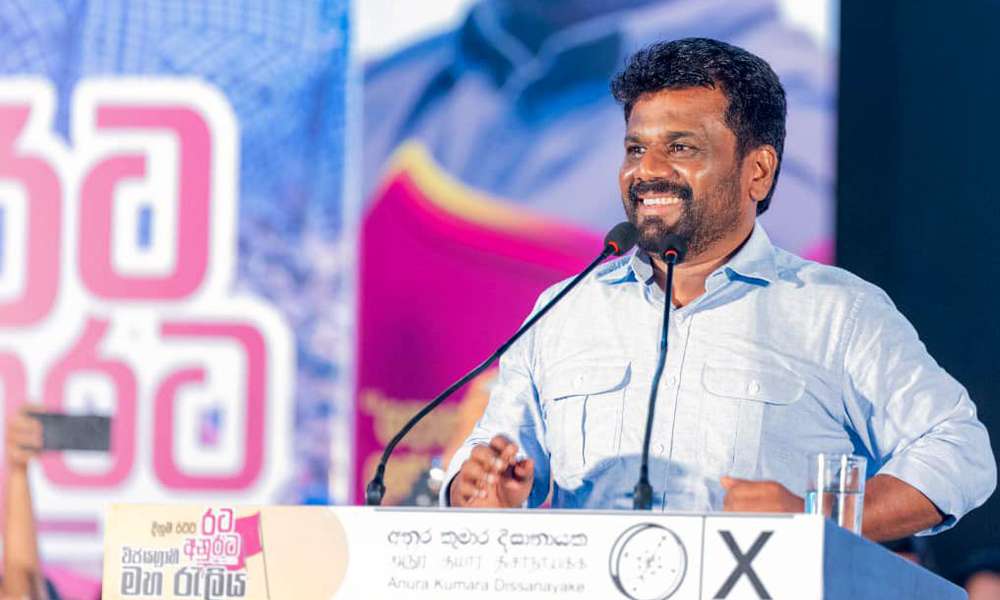

Anura Kumara Dissanayake was inaugurated as Sri Lanka's new president on 23 September 2024, marking a significant political shift for the island nation.
The leader of the leftist National People's Power (NPP) coalition promised to implement sweeping changes in a country long dominated by political dynasties and to guide Sri Lanka through its worst economic crisis in over seven decades.
His victory signals a break from traditional politics, with millions of Sri Lankans rallying behind his anti-corruption platform and commitment to economic recovery.
In his inaugural address, Dissanayake, 55, vowed to uphold democracy and create a cleaner political culture. He emphasized the urgent need for reform in the context of Sri Lanka’s ongoing economic difficulties.
"Our politics needs to be cleaner, and the people have called for a different political culture. I am ready to commit to that change," he declared.
Dissanayake, a former cabinet minister and veteran opposition leader, leads the Janatha Vimukthi Peramuna (JVP), a Marxist-rooted party that has evolved into a centrist force in recent years.
The JVP is part of the broader NPP coalition, which played a pivotal role in his election. Many see his rise to power as a reflection of the widespread disillusionment with Sri Lanka’s political elite, particularly following the country’s economic collapse in 2022.
 Challenges Ahead
Dissanayake's election comes after Sri Lanka experienced severe economic instability. In 2022, a foreign exchange shortage left the country unable to afford essential imports such as fuel, medicine, and food.
Protests erupted, toppling the then-president Gotabaya Rajapaksa, and marking the end of the Rajapaksa family's longstanding political dominance. His successor, Ranil Wickremesinghe, failed to gain broad support during his tenure, which culminated in his electoral defeat on Sunday, 22 September 2024.
The new president faces immediate and significant challenges. His top priorities will include managing the terms of a US$2.9 billion bailout from the International Monetary Fund (IMF), stabilizing the country’s economic recovery, and forming a new government.
Although Dissanayake secured 43% of the vote—an underwhelming victory margin by historical standards—he will need to work with a parliament in which his party holds only three out of 225 seats.
The new president’s ability to navigate the political landscape and garner support from the legislature will be key to his success.
Further complicating Dissanayake’s position is investor skepticism. Sri Lanka’s sovereign bonds experienced a sharp drop following his election, with concerns that his Marxist-leaning policies might lead to delays in IMF disbursements or attempts to renegotiate the country's debt agreements with international creditors.
A significant point of contention is whether Dissanayake will seek to alter the terms of the IMF loan, which comes with stringent austerity measures that many view as punishing.
Political History and Popular Appeal
Dissanayake’s political journey has been defined by his association with the JVP, which historically espoused Marxist ideologies and was involved in violent uprisings in the 1970s and 1980s.
Thousands were killed in those insurrections, and for many years the party struggled to distance itself from its militant past. Dissanayake has been credited with transforming the party's image since taking over its leadership in 2014, adopting a more moderate stance that focuses on anti-corruption and pro-poor policies. His apology for the JVP’s violent history was a turning point in his career.
During the country’s 2022 economic crisis, Dissanayake and the NPP capitalized on the public’s discontent with traditional political elites, which many blamed for corruption and mismanagement. His reputation as a champion of transparency and accountability has resonated with large segments of the electorate, particularly those hardest hit by the economic downturn.
While Dissanayake’s rise to power has been welcomed by many, particularly among poorer communities who see him as a leader who will address their concerns, his presidency is also met with reservations.
Sri Lanka's Tamil minority, concentrated in the north and east, remains cautious. The JVP has long been viewed as a Sinhala Buddhist party that supported harsh military measures during the country’s civil war.
The Tamil community remains skeptical of Dissanayake’s ability to address their grievances, including ongoing calls for investigations into human rights violations committed during the war.
International Relations and Regional Response
Sri Lanka's neighbors and international partners have acknowledged Dissanayake’s victory. India, Pakistan, the Maldives, and China were among the first countries to extend their congratulations.
China, Sri Lanka’s largest bilateral creditor, expressed hope for the country’s continued stability and pledged its willingness to support economic and social development. A spokesperson for China’s foreign ministry stated that Beijing remains open to working with Sri Lanka on debt agreements and the Belt and Road Initiative.
https://www.twitter.com/anuradisanayake/status/1838287654825398519
The international response is critical, as Dissanayake has indicated his desire to revisit some of the debt agreements made with foreign creditors, particularly with the IMF.
His stance on renegotiating the country’s debt will likely define his presidency and could have significant implications for Sri Lanka's recovery.
Anura Kumara Dissanayake’s presidency represents a potential turning point for Sri Lanka as it navigates one of the most challenging periods in its history.
His promises of reform, transparency, and accountability have struck a chord with the electorate, but his ability to implement these changes will depend on how he addresses the country’s economic crisis, manages political opposition, and builds trust with international partners.
Challenges Ahead
Dissanayake's election comes after Sri Lanka experienced severe economic instability. In 2022, a foreign exchange shortage left the country unable to afford essential imports such as fuel, medicine, and food.
Protests erupted, toppling the then-president Gotabaya Rajapaksa, and marking the end of the Rajapaksa family's longstanding political dominance. His successor, Ranil Wickremesinghe, failed to gain broad support during his tenure, which culminated in his electoral defeat on Sunday, 22 September 2024.
The new president faces immediate and significant challenges. His top priorities will include managing the terms of a US$2.9 billion bailout from the International Monetary Fund (IMF), stabilizing the country’s economic recovery, and forming a new government.
Although Dissanayake secured 43% of the vote—an underwhelming victory margin by historical standards—he will need to work with a parliament in which his party holds only three out of 225 seats.
The new president’s ability to navigate the political landscape and garner support from the legislature will be key to his success.
Further complicating Dissanayake’s position is investor skepticism. Sri Lanka’s sovereign bonds experienced a sharp drop following his election, with concerns that his Marxist-leaning policies might lead to delays in IMF disbursements or attempts to renegotiate the country's debt agreements with international creditors.
A significant point of contention is whether Dissanayake will seek to alter the terms of the IMF loan, which comes with stringent austerity measures that many view as punishing.
Political History and Popular Appeal
Dissanayake’s political journey has been defined by his association with the JVP, which historically espoused Marxist ideologies and was involved in violent uprisings in the 1970s and 1980s.
Thousands were killed in those insurrections, and for many years the party struggled to distance itself from its militant past. Dissanayake has been credited with transforming the party's image since taking over its leadership in 2014, adopting a more moderate stance that focuses on anti-corruption and pro-poor policies. His apology for the JVP’s violent history was a turning point in his career.
During the country’s 2022 economic crisis, Dissanayake and the NPP capitalized on the public’s discontent with traditional political elites, which many blamed for corruption and mismanagement. His reputation as a champion of transparency and accountability has resonated with large segments of the electorate, particularly those hardest hit by the economic downturn.
While Dissanayake’s rise to power has been welcomed by many, particularly among poorer communities who see him as a leader who will address their concerns, his presidency is also met with reservations.
Sri Lanka's Tamil minority, concentrated in the north and east, remains cautious. The JVP has long been viewed as a Sinhala Buddhist party that supported harsh military measures during the country’s civil war.
The Tamil community remains skeptical of Dissanayake’s ability to address their grievances, including ongoing calls for investigations into human rights violations committed during the war.
International Relations and Regional Response
Sri Lanka's neighbors and international partners have acknowledged Dissanayake’s victory. India, Pakistan, the Maldives, and China were among the first countries to extend their congratulations.
China, Sri Lanka’s largest bilateral creditor, expressed hope for the country’s continued stability and pledged its willingness to support economic and social development. A spokesperson for China’s foreign ministry stated that Beijing remains open to working with Sri Lanka on debt agreements and the Belt and Road Initiative.
https://www.twitter.com/anuradisanayake/status/1838287654825398519
The international response is critical, as Dissanayake has indicated his desire to revisit some of the debt agreements made with foreign creditors, particularly with the IMF.
His stance on renegotiating the country’s debt will likely define his presidency and could have significant implications for Sri Lanka's recovery.
Anura Kumara Dissanayake’s presidency represents a potential turning point for Sri Lanka as it navigates one of the most challenging periods in its history.
His promises of reform, transparency, and accountability have struck a chord with the electorate, but his ability to implement these changes will depend on how he addresses the country’s economic crisis, manages political opposition, and builds trust with international partners.