Leaders of Japanese syndicate accused of laundering S$628.7M lived in Singapore
Japanese crime syndicate leader Sotaro Ishikawa, linked to a ¥70 billion (S$628.7 million) money-laundering operation, was discovered to have ties to Singapore, including directorships in local firms. Several syndicate members were arrested in Japan and the Philippines, with investigations ongoing across multiple countries.


SINGAPORE: The head of a Japanese criminal syndicate accused of laundering ¥70 billion (S$628.7 million) for organized crime had ties to Singapore, including property ownership and directorships in local firms, The Straits Times reports.
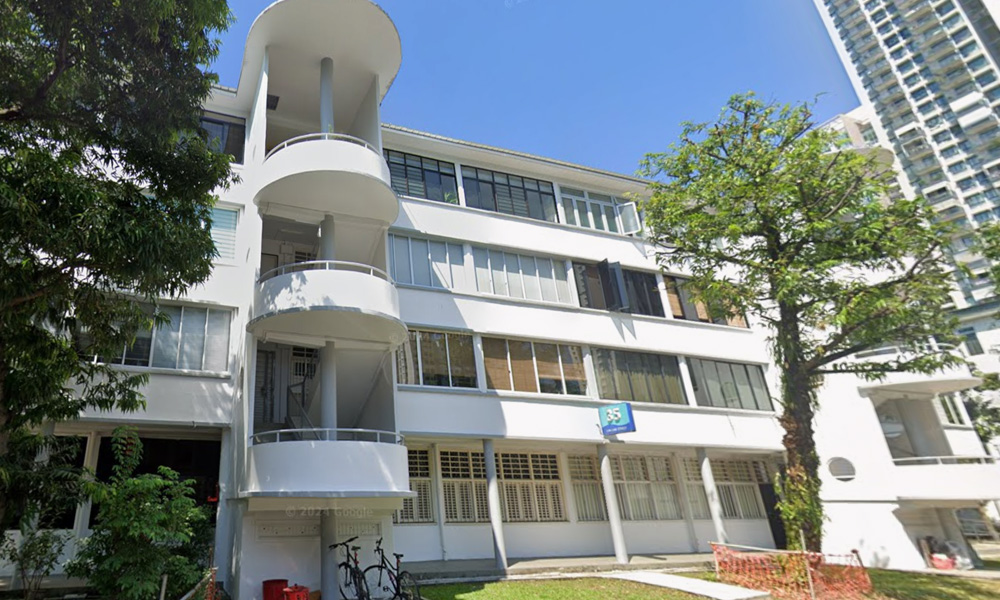
Sotaro Ishikawa (石川宗太郎), 35, fled Japan in February amid police investigations but maintained a condominium in Bukit Timah and was appointed director of the Singaporean software firm, Rivaton, in March.
Ishikawa's syndicate, Rivaton Group, is believed to have over 40 members and systematically set up shell companies in Japan to launder money linked to scams and illegal gambling.
The Osaka Prefectural Police revealed the group utilized corporate accounts of at least 500 companies and 4,000 bank accounts to process illicit funds.
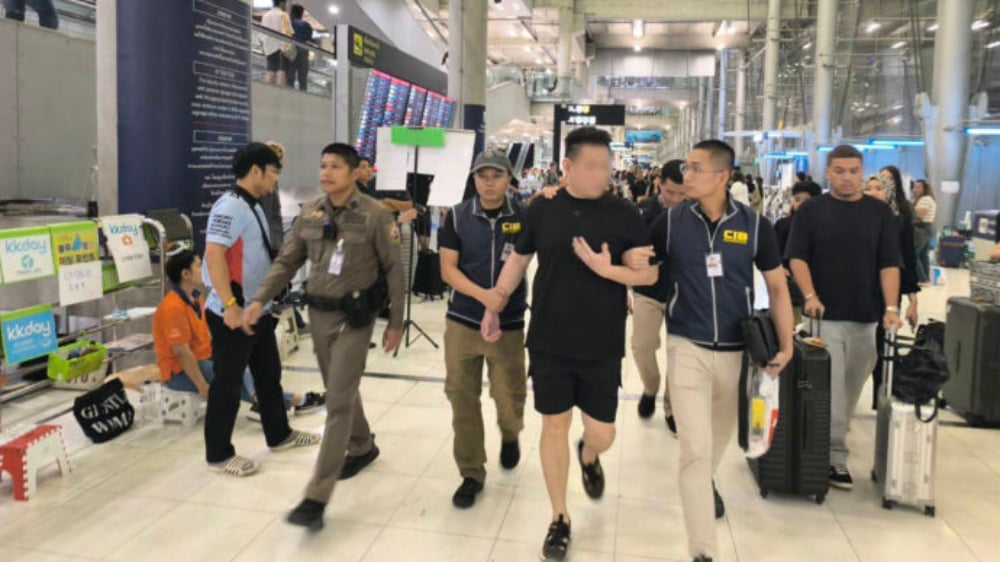
Both Ishikawa and his second-in-command, Kosuke Yamada (山田耕介), 39, were arrested on 9 July after returning to Japan from Dubai.
Syndicate Leadership Tied to Singapore
Several senior members of the syndicate were also linked to Singapore-based companies.
Yamada, who resided in the same Bukit Timah condominium as Ishikawa, was appointed director of KO Enterprise Next in September 2023.
Takamasa Ikeda (池田隆雅), 38, the group's third-ranking officer, lived in Novena and was director of local advertising firm Glosal, having been arrested on 2 September after flying from Singapore to Japan.
Japanese authorities issued a wanted notice in August for five senior syndicate members, including Ishikawa, Yamada, and Ikeda.
The other two leaders, Hiroyuki Kawasaki (川崎博之) and Shinya Ito (伊藤真也), were arrested in the Philippines, with plans for their extradition to Japan.
Shell Companies and a Singapore Connection
The syndicate allegedly operated with layers of management, functioning like a legitimate business.
According to the Sankei Shimbun, the group maintained standard office hours, managed by three tiers of staff, and operated with detailed procedures to avoid suspicion.
This included automated systems that transferred funds between accounts based on balance levels or timing.
In Singapore, all of the companies linked to the syndicate were established by a Japanese lawyer and Singapore permanent resident.
He claimed to have conducted thorough due diligence checks on the suspects, including meeting them personally in Japan and verifying their documents.
The lawyer expressed shock upon recognizing one of the men arrested in Japan and subsequently filed a suspicious transaction report with Singaporean authorities.
While cooperating fully with Japanese officials, he stated that he had not been contacted by Singapore authorities regarding the case.
Authorities Continue Investigations
The Rivaton Group allegedly provided money-laundering services to various criminal organizations under the guise of being a payment solutions provider.
A Japanese police official noted the syndicate's organizational structure, with clear divisions of responsibility in areas such as fund transfers and interaction with financial institutions.
The lawyer responsible for setting up the shell companies emphasized that he had taken extra precautions after Singapore’s S$3 billion money laundering case earlier this year but had found nothing suspicious in his dealings with the syndicate members.