Explosions on Hezbollah pagers in Lebanon leave nine dead and thousands injured
A series of explosions targeting Hezbollah members' pagers in Lebanon killed at least nine people and wounded 2,750 others. Hezbollah blamed Israel for the sophisticated attack, which escalated ongoing tensions between the two, amid ongoing cross-border conflict.


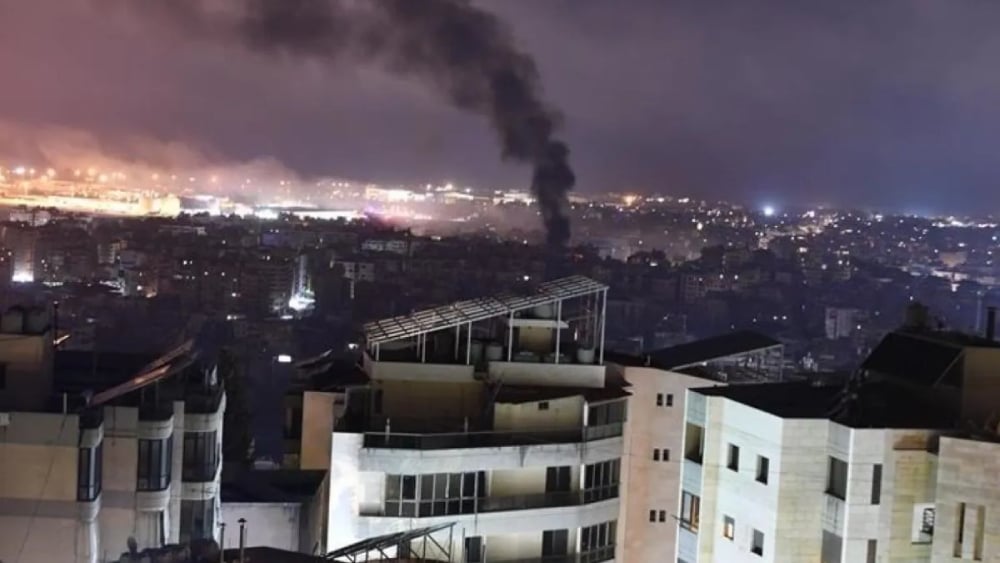
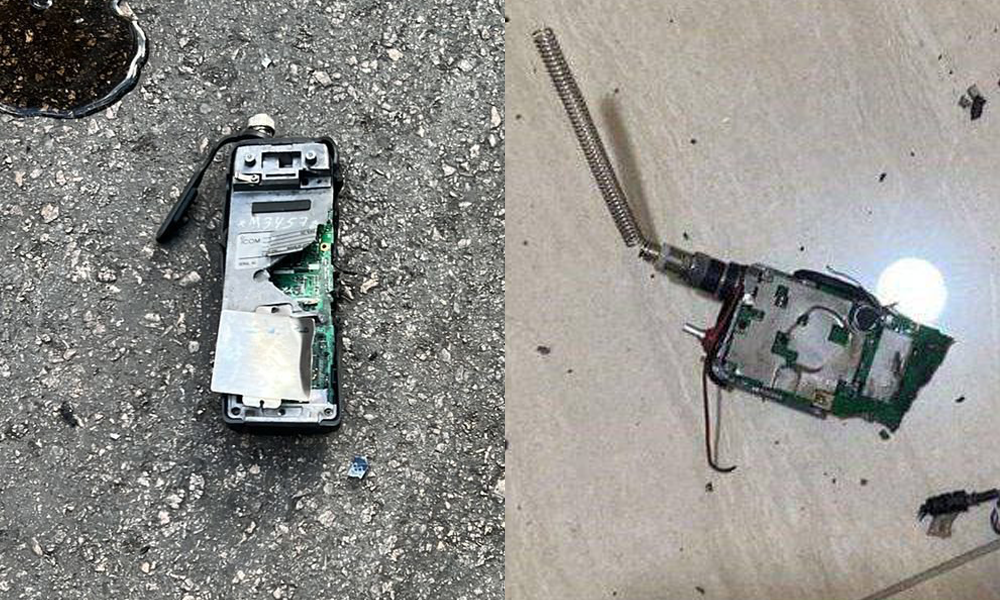
Explosions targeting pagers used by Hezbollah members in Lebanon on Tuesday (17 Sept), resulted in at least nine deaths, including an 8-year-old girl, and approximately 2,750 injuries, with 200 being critical. Most injuries were to the face, hands, or abdomen. It is reported that eight of the deceased were Hezbollah members. The group confirmed that at least two of its members were killed, one of whom was the son of a Hezbollah parliament member. Hezbollah later announced that six additional members had died, though specific details were not provided. The explosions occurred across multiple regions in Lebanon and affected several Hezbollah members. Iranian Ambassador to Lebanon, Mojtaba Amani, was among those injured but sustained only minor injuries and remains under observation in a Beirut hospital. Hezbollah and the Lebanese government have accused Israel of orchestrating a sophisticated remote attack. According to an American official, Israel informed the United States that the operation involved detonating small amounts of explosives concealed within the pagers. The Israeli military has declined to comment on the attack. Tensions between Israel and Hezbollah have been high, particularly following the 7 October attack by Hamas that intensified the Gaza conflict. The pagers involved were reportedly procured by Hezbollah following a February directive from its leader to stop using cellphones, which are more easily tracked by Israeli intelligence. The pagers were acquired from Taiwanese company Gold Apollo but were tampered with before arriving in Lebanon. Gold Apollo confirmed that its AR-924 pagers were used but stated they were produced and sold by a company called BAC. The explosive material, embedded next to the battery in each pager, was triggered remotely by a message that appeared to come from Hezbollah’s leadership. The pagers were programmed to beep for several seconds before detonating. Hezbollah has accused Israel of carrying out this attack and promised retaliation. Lebanese Information Minister Ziad Makary condemned the explosions as an “Israeli aggression.” Hezbollah warned that Israel would face “just punishment” for the attack. “We hold the Israeli enemy fully responsible for this criminal aggression that also targeted civilians,” Hezbollah said. Independent cybersecurity experts have indicated that the explosions were caused by small explosive charges implanted in the pagers. Mikko Hypponen of WithSecure noted that the size and strength of the explosions suggested modifications to the devices. “These pagers were likely modified in some way to cause these types of explosions — the size and strength of the explosion indicates it was not just the battery." Israeli cybersecurity analyst Keren Elazari described the attack as targeting Hezbollah’s vulnerabilities. The pager bombings are likely to heighten Hezbollah’s concerns about security and communications as the conflict with Israel continues. “This attack hit them in their Achilles’ heel because they took out a central means of communication,” Ms Elazari said. “We have seen these types of devices, pagers, targeted before but not in an attack this sophisticated.” The ongoing exchanges of fire between Israel and Hezbollah have resulted in numerous casualties and displacement on both sides. Jeanine Hennis-Plasschaert, the UN Special Coordinator for Lebanon, condemned the attack and expressed concern about the escalating violence in an already volatile situation.