WP flags LTA's shift from 2017 stance in waiving admin fee for missed ERP deductions
The Workers' Party has highlighted the irony in the government's shift on the S$10 administrative fee for missed ERP charges. Starting 1 October, motorists will have a five-day grace period to pay without incurring the fee. However, in 2017, then-Transport Minister Khaw Boon Wan staunchly defended the fee, arguing "it will not be fair for taxpayers to bear these costs on the motorists' behalf."

SINGAPORE: The Workers' Party has highlighted the irony of the government's policy reversal concerning the S$10 administrative fee for missed Electronic Road Pricing (ERP) charges.
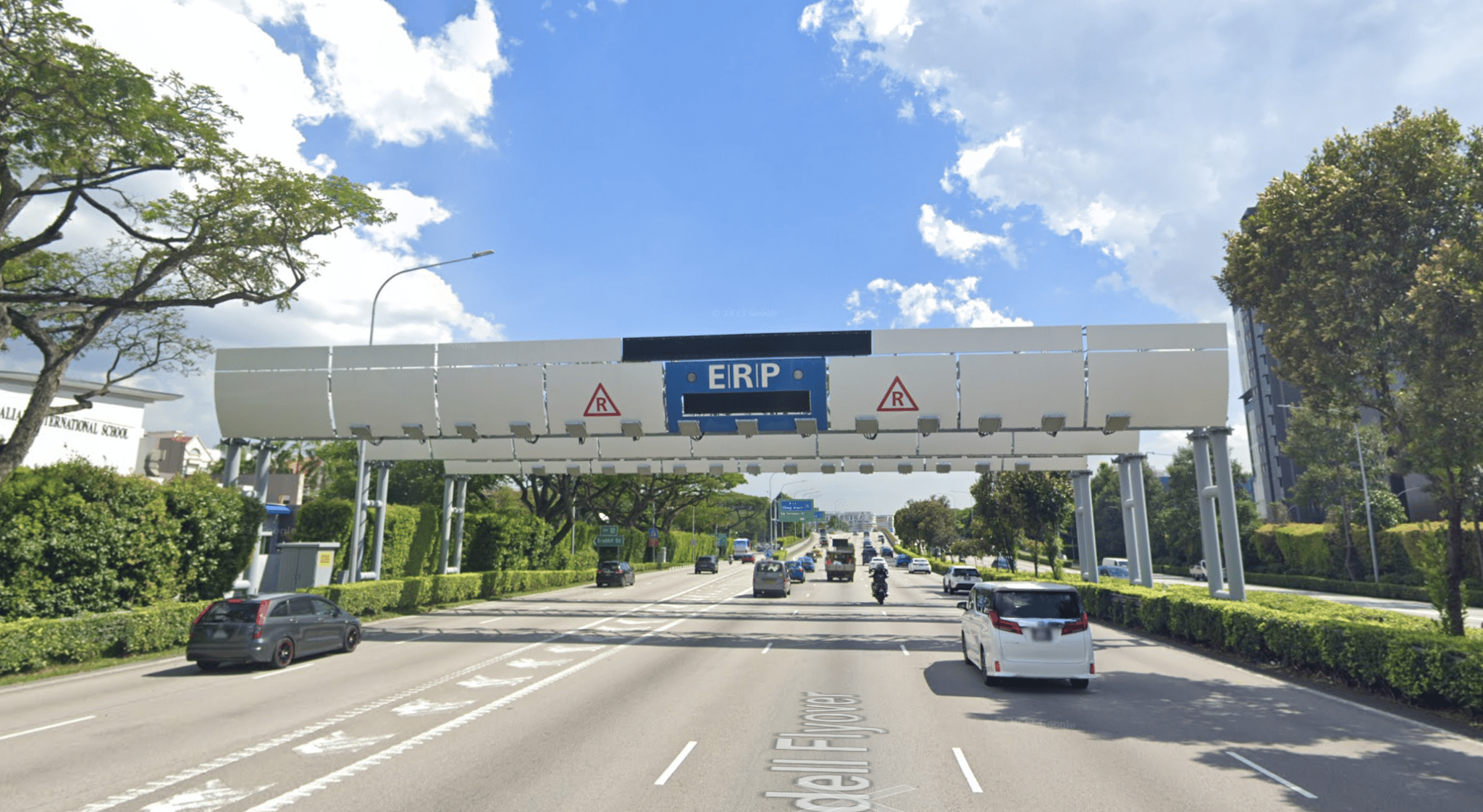
On 30 August, The Land Transport Authority (LTA) announced that starting 1 October, motorists who miss an ERP payment will receive an SMS notification and be given a five-day grace period to make the payment without incurring the S$10 fee.
If the payment is not made within this grace period, LTA will issue a letter requiring the motorist to pay both the missed ERP charge and the S$10 fee. Failure to comply will result in a S$70 fine.
The decision has been described as a "win-win" by Transport Minister Chee Hong Tat, who cited improved productivity and convenience for both the government and motorists with the upcoming ERP 2.0 system.
Currently, when a motorist fails to pay an ERP charge after passing a gantry, they receive a letter within a few days, requiring them to pay the missed charge plus the S$10 (US$7.70) administrative fee.
This charge, in place since the ERP system was introduced in 1998, is intended to cover the costs incurred by LTA in recovering outstanding payments.
“It is a win-win outcome, because for LTA, we save the trouble and we improve our productivity. We don't have to process and send out the letters for the motorists,” Mr Chee said.
“Of course, I think I'm sure everyone will welcome the waiver of this admin fee.”
Mr. Chee explained that the rollout of ERP 2.0 offers a "better way" for motorists to pay outstanding arrears without incurring additional administrative costs.
The new system's on-board unit (OBU) is connected to a backend system, allowing motorists to view and pay their arrears directly through the OBU display.
“So in this way, it is more convenient for the motorists if there are any arrears they need to pay in future with the installation of ERP 2.0 … there's no longer a need for us to send them a letter, and therefore there's no longer a need for LTA to charge them the S$10 admin fee,” he said.
He further noted that LTA currently sends out about 500,000 such letters annually, generating around S$5 million in administrative fees.
Despite the loss of this revenue, Mr Chee maintains that the change is still beneficial.
“We will also actually prefer not to incur the cost of sending out the letters in the first place, and to be able to use the resources that we have, the time, the manpower, to focus on other important areas of work,” said Mr Chee.
“It is good for the government departments, and it's also good for our citizens and our businesses,” he added.
In 2017, then-Transport Minister staunchly defended the admin fee as a necessary cost
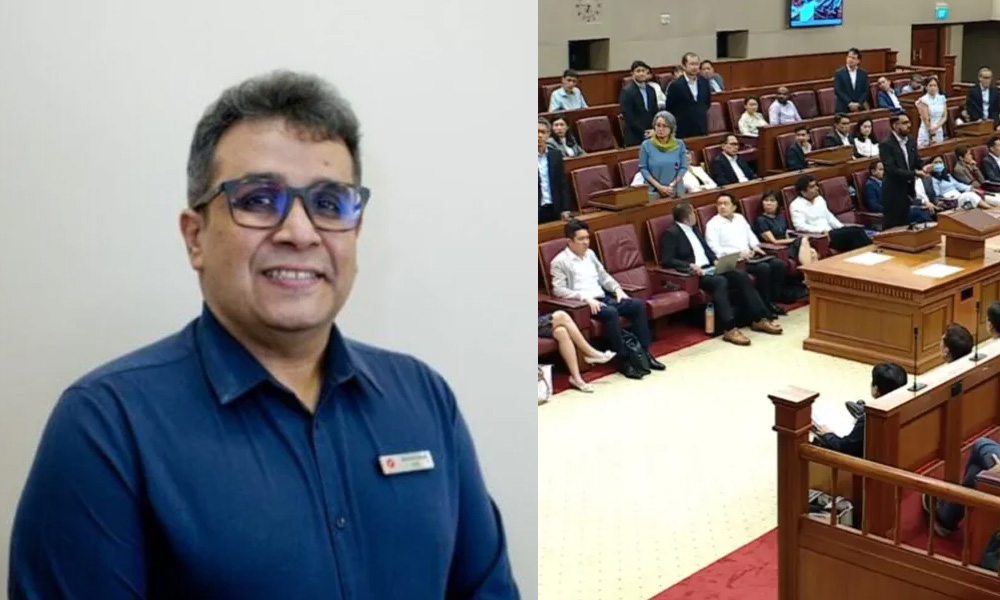
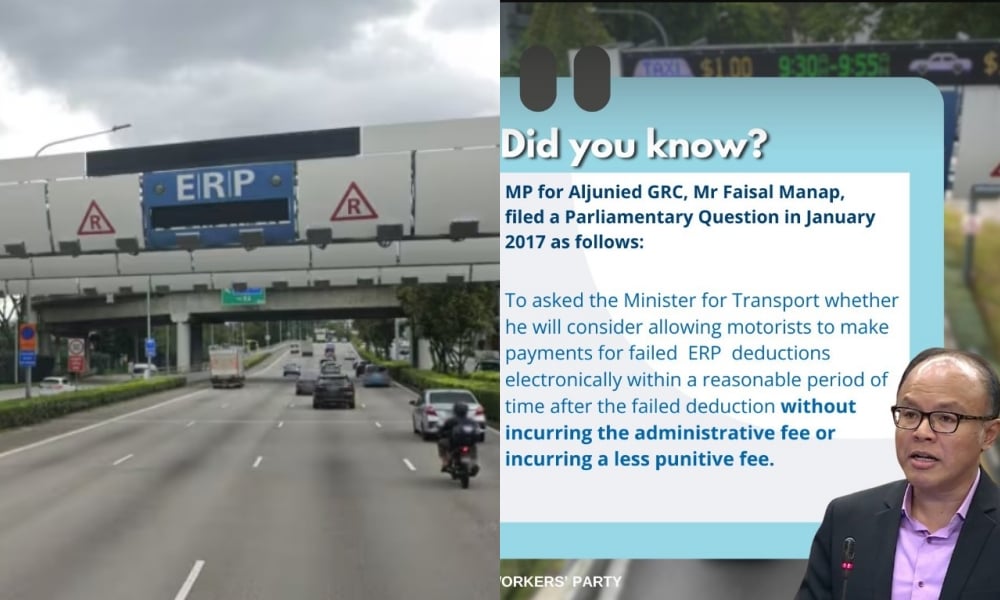
Following the LTA's announcement, In a Facebook post, WP revisited a parliamentary question raised by WP Member of Parliament for Aljunied GRC, Mr Faisal Manap, in January 2017.
In the PQ, Mr Manap asked then-Transport Minister Khaw Boon Wan whether MOT will consider allowing motorists to make payments for failed ERP deductions electronically within a reasonable period of time after the failed deduction without incurring the admin fee or incurring a less punitive fee.
In response, Mr Khaw explained that motorists who rectify their failed ERP deductions within two weeks of receiving a letter from LTA are required to pay an administrative fee to cover the costs associated with processing the ERP violation, issuing notifications, and managing payments.
He specified that the fee was S$10 for payments made by cash or cheque and S$8 for electronic payments, reflecting the lower administrative costs incurred.
At the time, Mr Khaw staunchly defended the admin fee as a necessary cost, emphasized that it "will not be fair for taxpayers to bear these costs on the motorists' behalf."