Rights groups slam Bangladesh over Muhammad Yunus' labour law conviction
Renowned Nobel laureate Muhammad Yunus, celebrated for his transformative microfinance initiatives, faces a contested conviction for breaching Bangladesh's labour laws. \n \nCritics and the international community decry this as a politically driven attack on his impactful work.
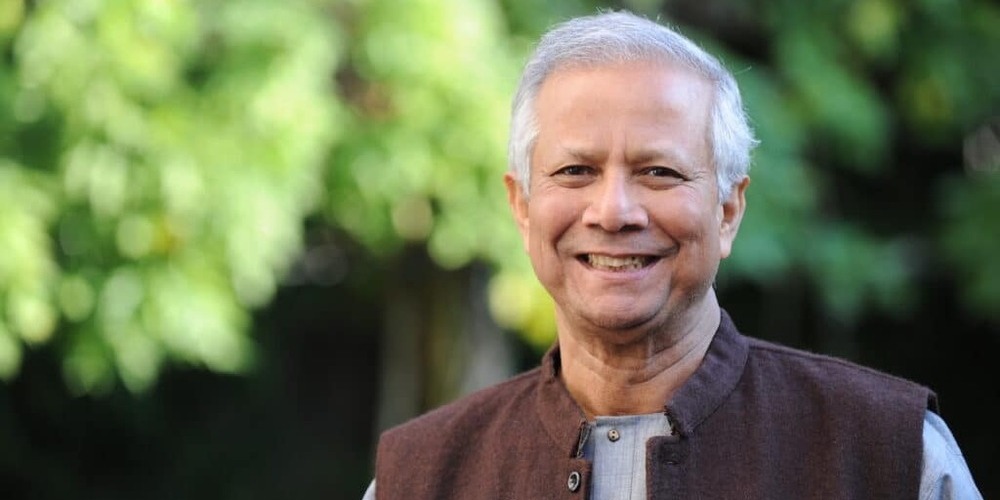

BANGLADESH: Renowned Nobel Peace laureate Muhammad Yunus, widely recognized for transforming millions of lives through his groundbreaking microfinance bank, has recently faced a conviction for violating Bangladesh's labour laws—a case strongly criticized by his supporters as politically motivated. The 83-year-old economist, who won the Nobel Peace Prize in 2006, has long been at odds with Prime Minister Sheikh Hasina, accusing him of exploiting the poor. Prof Yunus and three colleagues from Grameen Telecom, a company he co-founded, were accused of failing to establish a workers' welfare fund, leading to their conviction by a labour court in the capital, Dhaka. Lead prosecutor Khurshid Alam Khan declared a "six months' simple imprisonment" for all four, yet they were promptly granted bail pending appeals. Yunus and his associates vehemently deny the charges. The case is just one among over 100 other charges Yunus faces related to alleged labour law violations and corruption. The renowned social entrepreneur maintains his innocence, stating that the numerous social business firms he established in Bangladesh were not for personal gain. Supporters of Prof Yunus, including dozens who staged a small demonstration outside the court, were quick to denounce the verdict. Abdullah Al Mamun, a lawyer for Prof Yunus, labelled the decision as "unprecedented" and claimed they did not receive justice. Another of Yunus's lawyers, Khaja Tanvir, asserted that the case was "meritless, false, and ill-motivated," accusing the government of attempting to harass and humiliate the Nobel laureate on the global stage. In his recent Facebook post on Tuesday (2 Jan), Prof Yunus reaffirmed his commitment, “I will continue to serve the people of Bangladesh and the social business movement to the best of my ability. " He asserted that the verdict against him contradicts "all legal precedent and logic. " "I call for the Bangladeshi people to speak in one voice against injustice and in favour of democracy and human rights for each and every one of our citizens.”