Accused in S$2.8B money laundering case arrived in Singapore in 2021, allegedly used S$500k in illicit gains
Su Wenqiang, a key figure in a S$2.8 billion money laundering case, was involved in a remote lottery business across the Philippines and Cambodia. Singapore authorities claim he used S$500,000 of illicit proceeds to purchase a Mercedes Benz. \n \nSu came to Singapore in 2021, his defence lawyer emphasized Su's desire for permanent residency and access to Singapore's robust education system for his children.


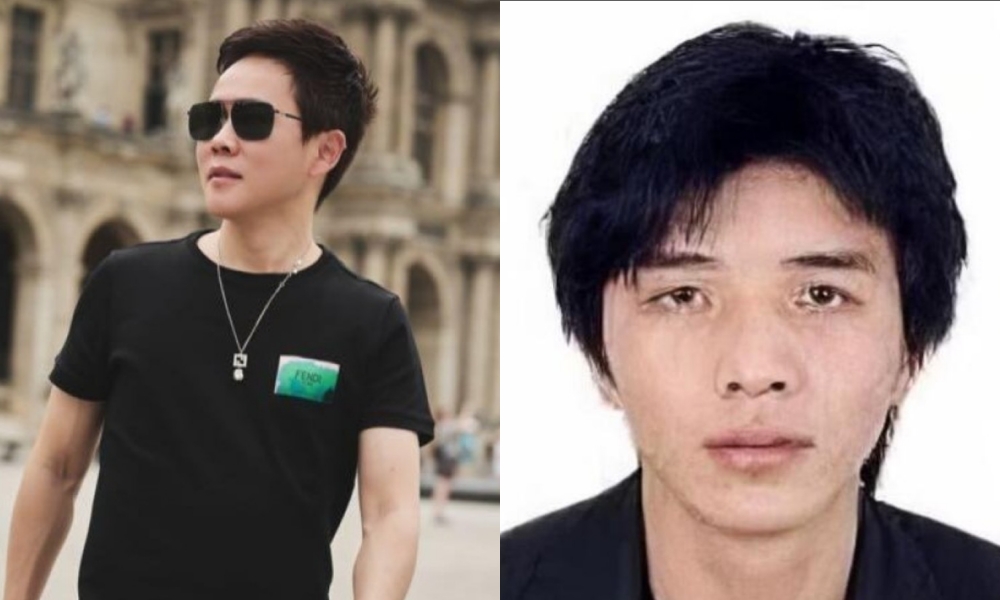
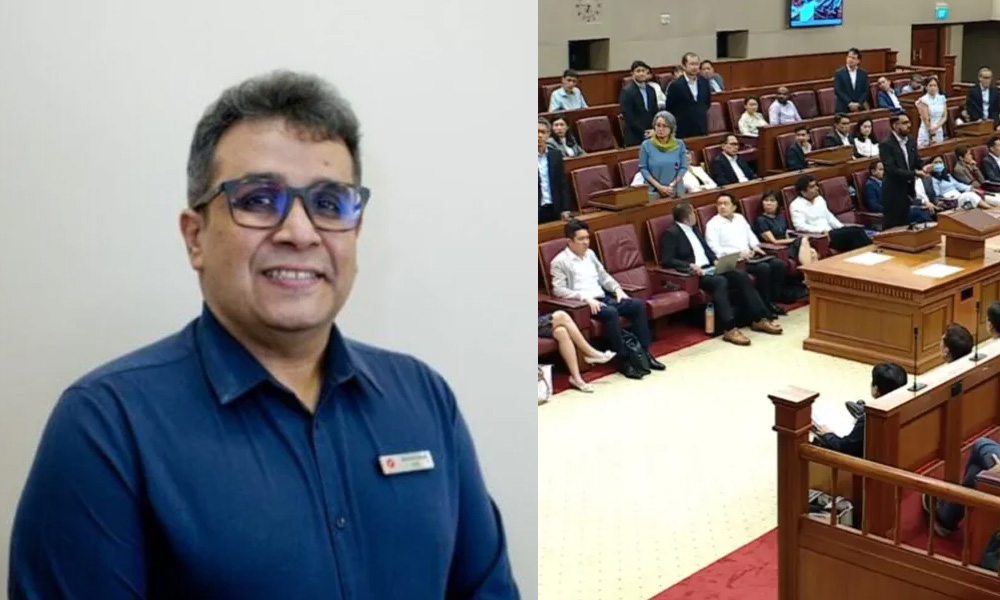
SINGAPORE: The accused in the S$2.8 billion money laundering case, Su Wenqiang (苏文强), has been wanted in China since 2015. Investigations have uncovered that Su was enlisted as an executive for a remote lottery business operating from the Philippines and Cambodia. This business specifically targeted Chinese gamblers, and evidence suggests that Su was compensated in cash for his involvement. Moreover, the money involved in Su's charges is believed to be linked to these illicit remote gambling operations abroad. The 31-year-old Cambodian national originally from Fujian, China, faces two charges in the Singapore court. The first charge pertains to possessing S$601,706 (US$441,000) derived at least in part from illegal remote gambling activities. The second charge accuses him of utilizing S$500,000 in unlawful proceeds to purchase a Mercedes Benz AMG C63S in January of last year. Su was apprehended on August 15 during an islandwide raid conducted by the Singapore Police Force in connection to money laundering offences. As reported by CNA, on Thursday (2 Nov), His defence lawyers, Mr Sameer Amir Melber and Mr Manoj Nandwani from Gabriel Law Corporation, made an application for his release on bail. Mr Sameer emphasized that despite extensive media attention on the case, the prosecution attempted to consolidate all 10 accused individuals and establish connections between them. He argued that his client did not pose a flight risk, given that most of his assets had already been confiscated, and even if he possessed a house in China, he was wanted there. Mr Sameer said it was unlikely that further evidence would be obtained through remanding his client further, and said there has been no charge for common intention or conspiracy involving his client. According to Mr Sameer, there was little likelihood of obtaining further evidence by detaining his client, and no charges had been filed implicating his client in any common intention or conspiracy. He also pointed out that while the prosecution claimed there were four individuals capable of aiding Su's escape, these four individuals were not in Singapore during the time of the police raid, indicating that they had not escaped as the prosecution alleged.