'We want to be free': Filipinos demand right to divorce
Divorce is illegal in the Philippines, the only country outside the Vatican where it remains outlawed. Advocates argue that the ban makes it difficult for couples to escape violent relationships and remarry. \n \nWhile couples can seek annulment or declare their marriage invalid, the process is slow, expensive, and often subject to government appeals. Efforts to legalize divorce have gained traction, but face opposition from the powerful Catholic Church. \n \nVictims of fraudulent annulment services highlight the need for new legislation, as they seek alternative methods to end their marriages.
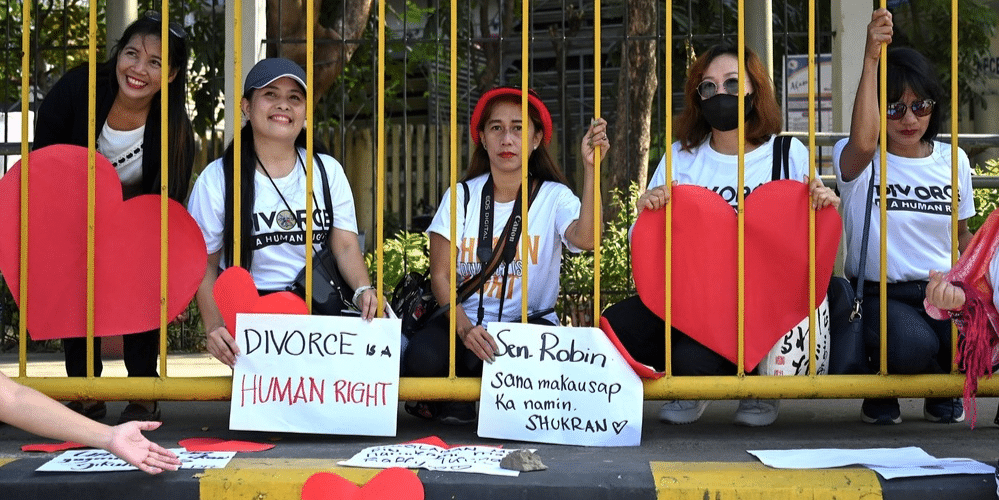

MANILA, PHILIPPINES -- Philippine mother-of-three Stella Sibonga is desperate to end a marriage she never wanted. But divorce in the Catholic-majority country is illegal, and a court annulment takes years. The Philippines is the only place outside the Vatican where divorce is outlawed. Pro-divorce advocates argue the ban makes it harder for couples to cut ties and remarry, and escape violent spouses. People wanting to end their marriage can ask a court for an annulment or a declaration that the nuptials were invalid from the start, but the government can appeal against those decisions. The legal process is slow and expensive -- cases can cost as much as US$10,000 or more in a country plagued by poverty -- with no guarantee of success, and some people seeking a faster result fall for online scams. "I don't understand why it has to be this difficult," said Sibonga, who has spent 11 years trying to get out of a marriage that her parents forced her into after she became pregnant. Sibonga's legal battle began in 2012, when she applied to a court to cancel her marriage on the basis of her husband's alleged "psychological incapacity", one of the grounds for terminating matrimony. After five years and US$3,500 in legal fees, a judge finally agreed. The former domestic worker's relief was, however, short-lived. The Office of the Solicitor General, which as the government's legal representative is tasked with protecting the institution of marriage, successfully appealed the decision in 2019. Sibonga said she requested the Court of Appeals to reverse its ruling but is still waiting for an answer. "Why are we, the ones who experienced suffering, abandonment and abuse, being punished by the law?" said Sibonga, 45, who lives near Manila. "All we want is to be free."