PM2.5-level air pollution behind approximately 160,000 deaths in world’s five biggest cities in 2020: Greenpeace Southeast Asia
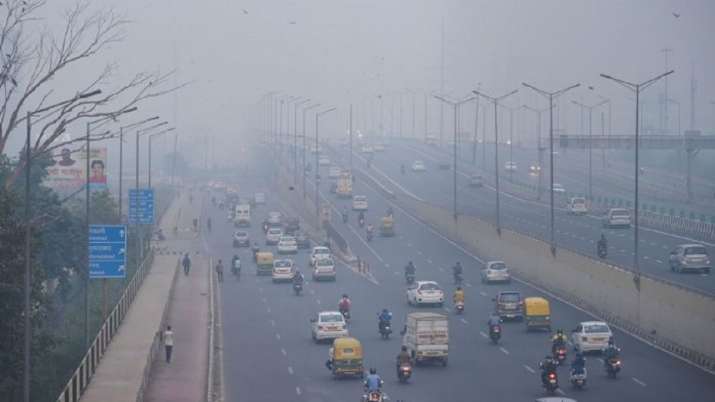

Air pollution with a level of particulate matter (PM) of 2.5 was the culprit behind approximately 160,000 deaths in the world’s five most populous cities last year, according to a Greenpeace Southeast Asia analysis of IQAir data from a live Cost Estimator.
The organisation in a statement on Thursday (18 Feb) said that while some cities saw small improvements in air quality as a result of COVID-19 lockdowns, the devastating impact of air pollution underscores the need to rapidly scale up clean energy, build electrified, accessible transport systems and end reliance on fossil fuels.
"When governments choose coal, oil and gas over clean energy, it’s our health that pays the price. Air pollution from burning fossil fuels increases our likelihood of dying from cancer or stroke, suffering asthma attacks and of experiencing severe COVID-19," said Avinash Chanchal, a climate campaigner at Greenpeace India.
"We can’t afford to keep breathing dirty air when the solutions to air pollution are widely available and affordable," he added.
Greenpeace stated that Delhi recorded an estimated 54,000 avoidable deaths due to PM2.5 air pollution in 2020, or one death per 500 people.
Meanwhile, Jakarta suffered an estimated 13,000 avoidable deaths due to PM2.5 air pollution in 2020 and sustained air pollution-related losses of US$3.4 billion, equivalent to 8.2 per cent of the city’s total GDP.
In its analysis, Greenpeace found that the highest estimated total financial cost from air pollution was recorded in Tokyo, which suffered approximately 40,000 avoidable deaths and an economic loss of US$43 billion.
Los Angeles recorded the highest per capita financial cost of PM2.5 air pollution of all cities on the estimator, at approximately US$2,700 per resident.

"Breathing should not be deadly. The fact that poor air quality claimed an estimated 160,000 lives in the five largest cities alone should give us pause, especially in a year when many cities were seeing lower air pollution levels due to less economic activity," Frank Hammes, CEO of IQAir said.
He also urged governments, corporations and individuals to do more to eliminate the sources of air pollution and make cities better places to live in.
Bondan Andriyanu, a campaigner at Greenpeace Indonesia opined that it is now cheaper to build clean energy infrastructure than to continue investing in polluting fossil fuels in most parts of the world, even before taking the cost of air pollution and climate change into account.
"As governments look to recover from the economic impact of COVID-19, they must create green jobs, build accessible, clean-energy powered public transport systems and invest in renewable energy sources like wind and solar," he said.
"We demand a better normal, not only for the sake of our air but also to address the flooding, heat waves and intensified storms that we’re experiencing as a result of climate change," Mr Andriyanu noted.
Greenpeace also called on governments at all levels to invest in renewable energy sources such as wind and solar energy and to build clean energy-powered, accessible public transport to protect residents from lethal air pollution.