Advocacy, Activist Harassment, and Solidarity

by Jolovan Wham When community worker Kokila Annamalai recently shared on Facebook the taunts, death threats, racist, and sexist abuse she had received as a result of campaigning for better food for migrant workers residing in the dormitories, it followed a familiar pattern.
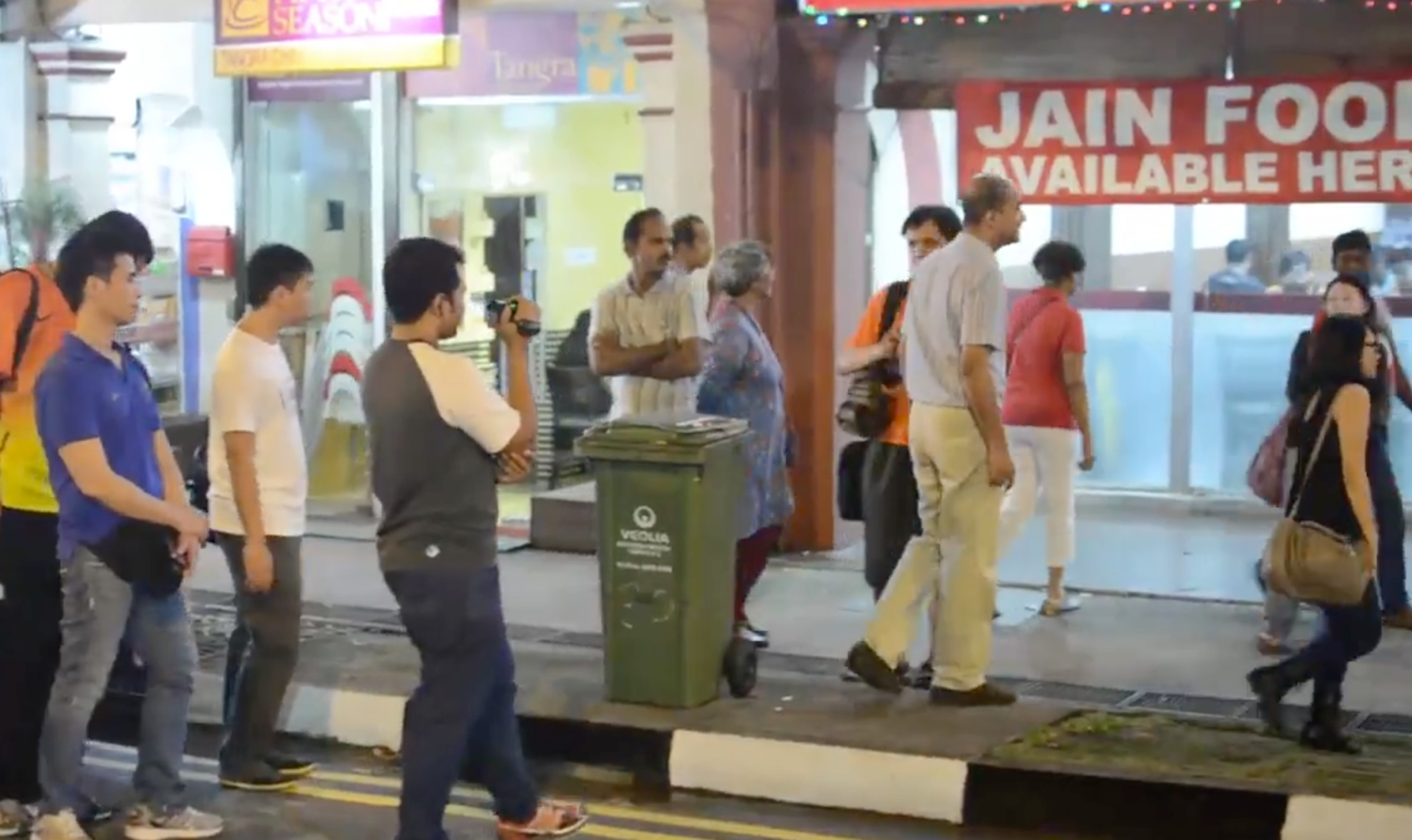
I also understand that journalist and activist Kirsten Han also faced attacks of a similar nature. Such attacks seem to intensify after an accusation has been made by a Minister, as if the attackers are waiting for an order from above. Kokila revealed that the online abuse also got worse when Home Affairs and Law Minister K Shanmugam insinuated that she was spreading falsehoods for publicising photos of poorly prepared and inadequate meals. As if on cue, the internet brigade of trolls were unleashed. Over the years, many others have been subjected to harassment, smears, and police investigations: Leslie Chew was arrested and held in police custody for 2 days for publishing political cartoons critical of the State. Sangeetha Thanapal was questioned and issued a warning letter for her anti racism advocacy, and Terry Xu has been investigated, charged and sued for the critical pieces that The Online Citizen has published. In 2012, when I was still the Executive Director of migrant rights group Humanitarian Organisation for Migration Economics (HOME), my colleagues, friends and I from other NGOs were followed and harassed by ISD officers when we bailed out four bus drivers accused of organising a strike and starting a campaign to make their voices heard. The government publicly accused us of making use of the four drivers for our own political ends.

Managing our fears
Such harassment strikes fear in many people interested in advocacy work. Many more are discouraged when they see others who are censured by critics for being confrontational, and are accused of ‘sowing discord’ and ‘disunity’. Somehow, it is confrontational when activists try to speak truth to power but when the State retaliates by raiding your house, calling you up for an investigation, and confiscating your personal property for having a political opinion on social media, it is ‘rule of law’ and the police are just doing their jobs. Over the years, I’ve been approached by students, other activists and people who want to be active but are afraid of getting into trouble. The fear is so palpable that one documentary film maker I once talked to kept looking over his shoulder unconsciously whenever he was criticising the government. This is not uncommon and statistics bear this out: a survey conducted by Reuters in 2018, revealed that more than 60% of Singaporeans were afraid of expressing their views on politics and social issues online. Such fears are understandable. For those of us who are interested in advocacy, it is important that we take small steps and start with actions we are more comfortable with first, and adopt an incremental approach to risk taking. Build a network of support and stay engaged in the community: mutual support is important in movement building and when things go wrong, it is important to keep our spirits up and avoid burn out and feeling de-moralised.