What choice do our migrant blue collar workers have while living in lock down?


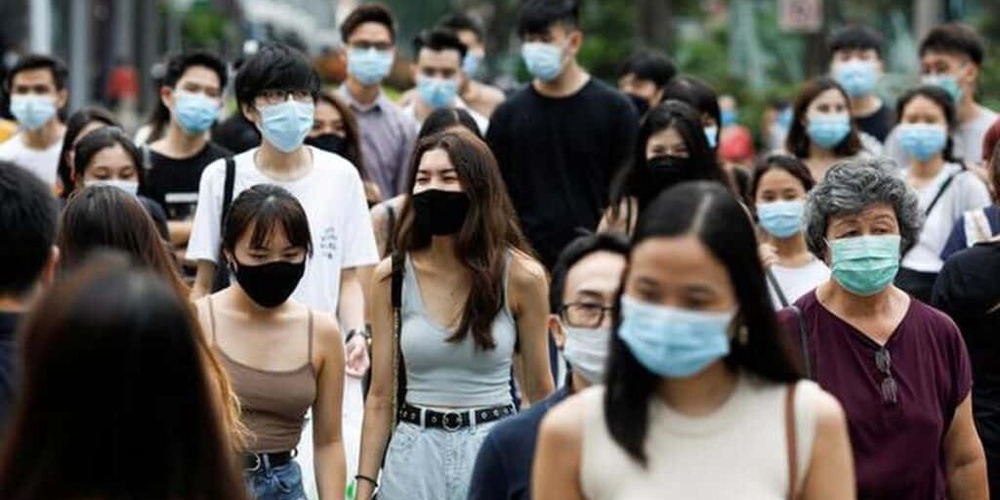
Environment and Water Resources Minister Masagos Zulkifli (Masagos) has reportedly confirmed via his Facebook (FB) page that more than 200 people have been caught by the authorities for not complying with safe distancing measures as of Monday (April 20), while 80 were caught not wearing masks outside their homes. Of these, nine were second time offenders who will face fines of $1,000 each.
This might indicate that Singaporeans, despite having the space and relative freedom to move around during the Circuit Breaker (CB) period still have problems complying with safe distancing. This begs the question - how are our migrant blue collar workers coping?
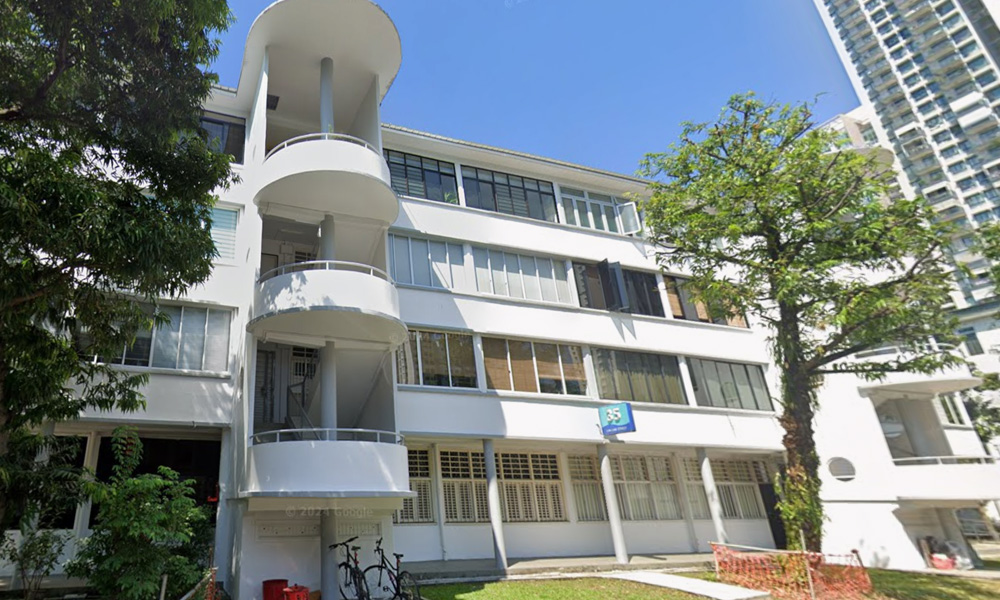
Our migrant workers are now essentially locked down. They live in close proximity. If Singaporeans with much more space and the freedom to move around have trouble complying with safe distancing requirements, how much worse is it for migrant workers living in lock down, 12 to 20 per room with shared toilet and kitchen facilities to boot?
While the government is keen to stress that the disease spread is mostly confined among the migrant workers, it is important to bear in mind that the migrant workers are not able to safely distance the way we can (and yet some of us still fail at so doing). They simply don't have the space to do so. Is it really such a surprise that the corona virus is breaking out among their ranks the way it is? Whose fault is that?
Masagos's FB post goes further to remind Singaporeans of just how contagious COVID-19 can be, saying that Singapore, being a densely populated city is particularly at risk. He cited the World Health Organization (WHO) which had estimated that a carrier of Covid-19 can infect two other people, who can then go on to infect another two people and so on. In other words, in just one month, one person could potentially infect a thousand people if left unchecked.