COVID-19: Newly proposed law to prohibit social gatherings of any size


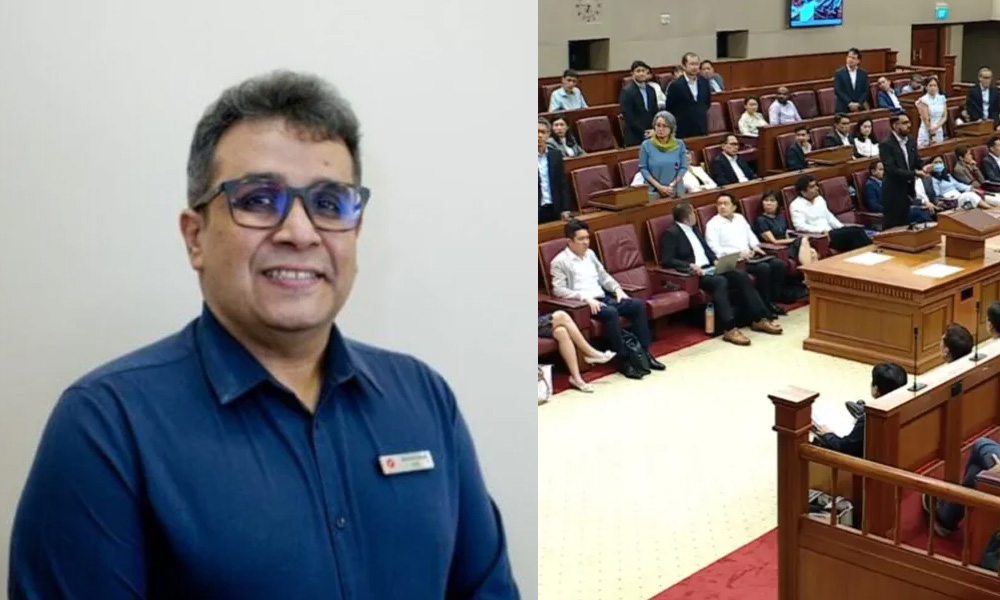
The prohibition on social gatherings of any size -- in both public and private spaces -- are among the provisions listed in a new Bill aimed at giving legal effect to the Government's efforts to curb community spread of COVID-19 in Singapore. Debating the COVID-19 (Temporary Measures) Bill in Parliament on Tue (7 Apr), Health Minister Gan Kim Yong said that the proposed legislation will enable the Government to "better regulate events and gatherings, including those that take place on private properties". Should the Bill be passed, private parties and gatherings with families or friends not living in the same household -- at home or in public spaces such as in parks and Housing Board void decks -- will be prohibited or at least restricted under the order of the Health Minister. The proposed legislation, if passed, will also enable the minister to limit the movement and interactions of persons at their place of residence and other places, as well as residents' usage of common areas such as void decks, and shared facilities in HDB estates and private condominiums. Mr Gan, who co-chairs the multi-ministry taskforce on COVID-19, said that while most Singaporeans act responsibly by being compliant towards the measures, he said that "there will inevitably be a few individuals who do not treat the situation seriously and blatantly disregard the rules". Thus, for those who engage in acts such as loitering instead of staying at home or violating safe distancing measures at markets and F&B outlets, Mr Gan said that the Government "will not hesitate to take action against such persons". Stringent action, he stressed, will "send a strong signal to prevent such behaviour from negating our collective efforts during this crucial circuit breaker to slow down the infection". Similar to the Infectious Diseases Act, those found guilty of flouting the relevant Government measures can be fined up to S$10,000 and jailed up to six months. Subsequent offences may carry a fine of up to S$20,000, up to 12 months' jail, or both. Mr Gan stressed however that the Health Minister may only produce such control orders only when he is satisfied that the spread of COVID-19 constitutes a serious threat to public health and that the control order was necessary to prevent or contain it. "The key message is simply this: 'Stay home. Go out only for essential activities. Avoid close contact with people. "If you can't, wear a mask to protect others and to protect yourself.' Everyone must play our part for the circuit breaker to be effective," stressed Mr Gan. A control order and any amendments made to the order must be presented to Parliament as soon as possible after its publication in the Gazette. The House may pass a resolution annulling the said control order or any part or amendment of it. The minister must then publish the control order to inform those who may be affected, on top of publishing the said order in the Gazette.