Parliament
Desmond Lee: 1.61M projected HDB dwelling units is a planning parameter, not a target
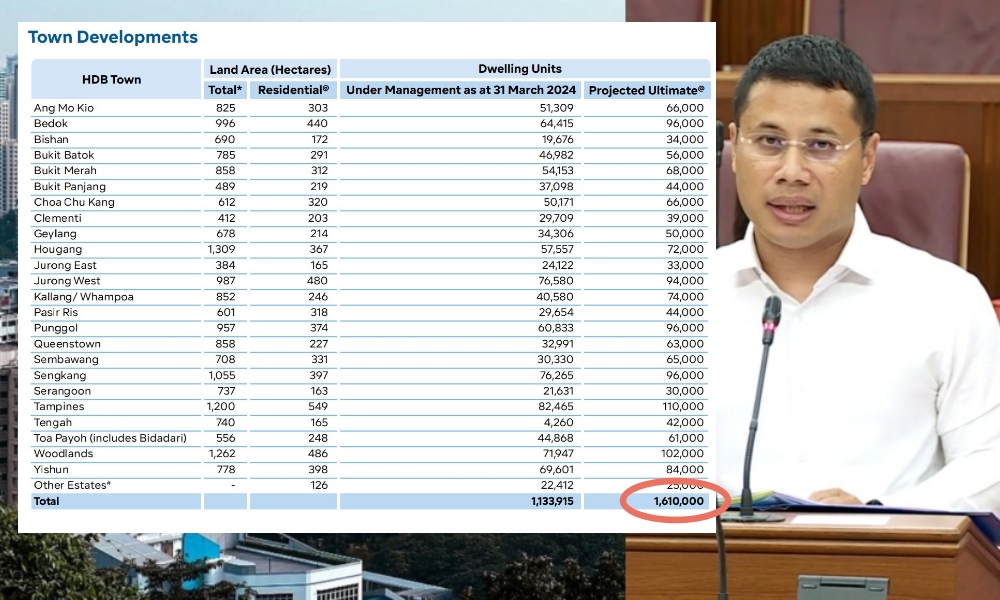
On 8 April, Leader of Opposition Pritam Singh sought clarification on the increase in projected dwelling units to 1.61 million in the 2023/2024 HDB report. In a written reply, National Development Minister Desmond Lee explained that this figure is an estimate, not a target, serving as a planning parameter. It is regularly updated based on changing variables like population and housing demand.

SINGAPORE: Minister for National Development Desmond Lee addressed a parliamentary question on 8 April 2025 regarding the projected increase in the number of dwelling units in Housing and Development Board (HDB) towns.
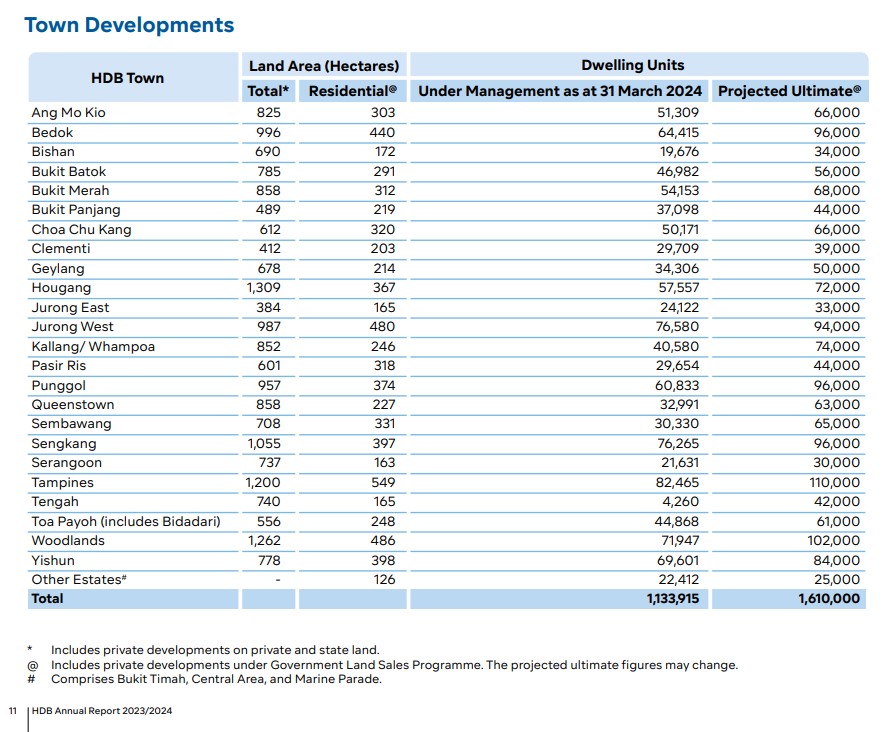
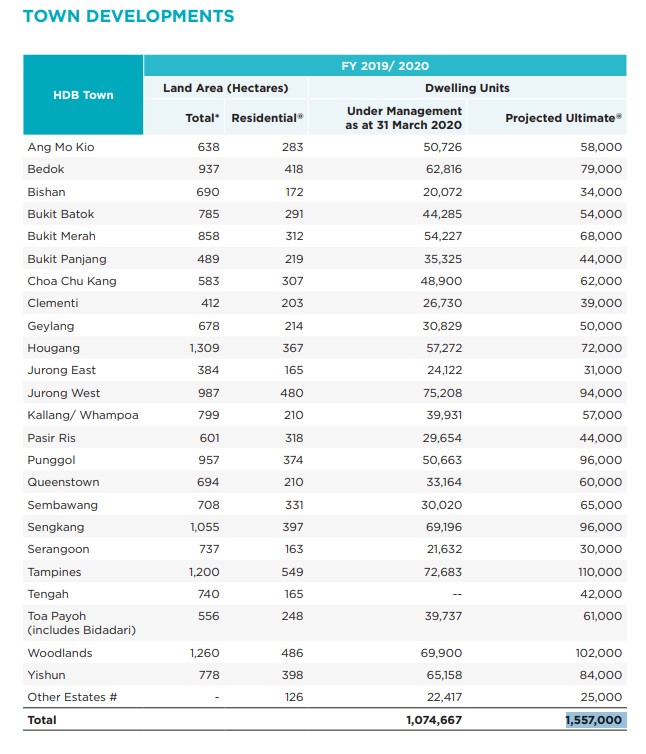
The query was raised by Leader of Opposition Pritam Singh, who sought clarification on the increase in the number of projected ultimate dwelling units from 1.557 million in the 2019/2020 HDB Annual Report to 1.61 million in the 2023/2024 report.
According to the report, the number of dwelling units under HDB management as of 31 March 2024 exceeds 1.133 million, compared to a total of 1.074 million units in 2020.
“Only a planning parameter”
Singh, in his question, further probed what population size the government anticipates alongside the increase in the number of projected dwelling units.
He also asked about the maximum number of projected ultimate dwelling units that could be accommodated under the current Urban Redevelopment Authority (URA) Master Plan.
In a written reply to Singh, Lee explained that the 1.61 million figure is not a fixed target but an estimate based on the number of dwelling units that HDB towns can accommodate when fully developed.
“This figure is only a planning parameter and not a target to be reached. It is regularly updated as it is affected by several variables which can change over time.”
Lee pointed out that in recent years, government have observed trends such as strong household formation rates and smaller household sizes contributing to strong broad-based housing demand.
“This has resulted in an increase in the estimated number of households in the Singapore population which are eligible to purchase public housing flats.”
Consequently, Government have set aside more residential land within existing towns and new areas, such as Bayshore under Bedok town, and Ulu Pandan under Queenstown.
As a result, since the 2019/2020 Annual Report, town boundaries were expanded, and the estimated number of ultimate residential dwelling units has increased.
In response to these housing demand trends, HDB has adjusted its housing mix and built more flats, Lee added.
Furthermore, Lee took the opportunity to refute proposals made by the Workers’ Party in 2019, which had recommended reducing HDB’s building programme from 16,000 to 17,000 units annually to 9,000 units.
“Had we followed the recommendation, we would have faced a serious shortage of housing supply, longer waiting times and much higher prices for resale flats.”
Singapore’s population size has been a subject of concern, especially regarding urban sustainability and the potential adverse effects of overpopulation.
According to the latest figures from the National Population and Talent Division (NPTD), Singapore’s population reached 6.04 million in June 2024, marking a 2% increase from the previous year.
This growth has raised concerns about overpopulation, urban infrastructure, and the cost of living in the city-state.