Labour
59% of Malaysians would quit toxic workplaces, says Randstad survey
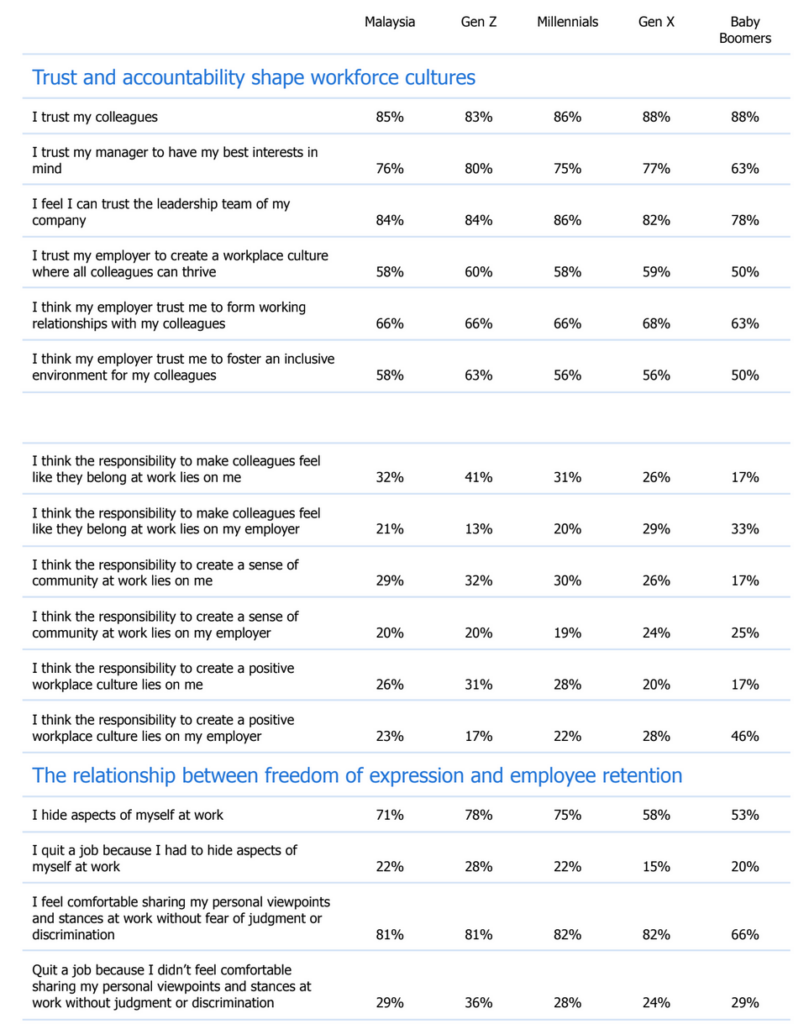
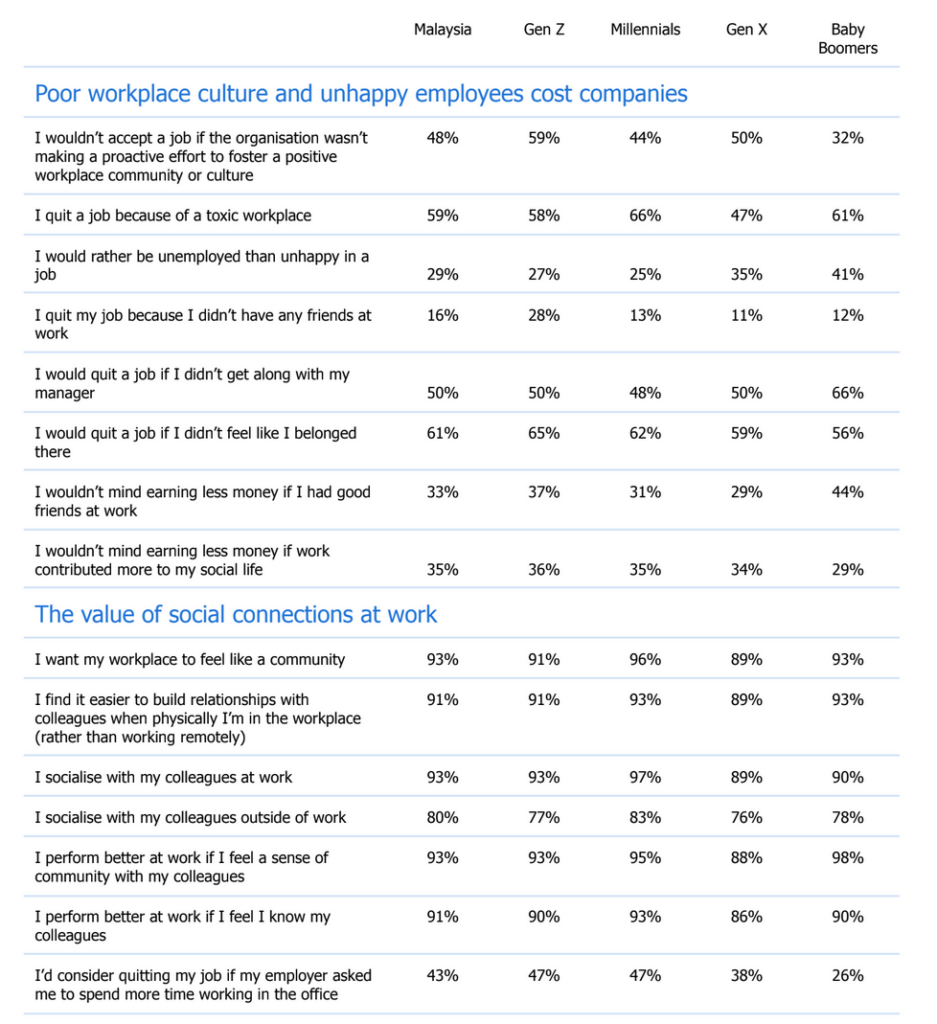
According to Randstad’s 2025 Workmonitor survey, 59% of Malaysians would quit toxic workplaces, with many prioritising culture and connection over salary in deciding whether to stay or accept a job.


MALAYSIA: A toxic workplace is enough to push nearly six in ten Malaysian employees to resign, according to the Randstad Workmonitor 2025 survey released on 25 March 2025.
The study revealed that workplace culture plays a critical role in influencing employee decisions to stay or leave.
The research, which surveyed 503 respondents in Malaysia, found that 59% of employees had either left or would leave a job due to a toxic environment — the highest rate across the Asia Pacific region.
Fostering a positive workplace community is not only linked to greater productivity and happiness but is emerging as a strategic advantage in talent attraction, according to Randstad, the world’s largest talent agency.
“Creating a great experience for employees means building an environment where people come to work because they trust and enjoy working with one another,” said Fahad Naeem, Country Director at Randstad Malaysia. “That starts with trust.”
Workplace culture shapes job acceptance and retention
Culture has become a defining factor in employment decisions. The study found that 48% of Malaysian respondents would reject job offers from organisations perceived to have poor workplace culture.
This sentiment is stronger among younger workers, with 59% of Gen Z and 50% of Gen X respondents saying they would refuse such offers. Only 32% of Baby Boomers shared this view.
The findings highlight the rising importance of social connections at work. One in two respondents said they would consider resigning if they did not get along with their managers. This figure rose to 66% among Baby Boomers.
Additionally, 61% said they would consider quitting if they felt they did not belong in their organisation. For Gen Z, this figure was even higher at 65%.
Friendships can outweigh pay
Interestingly, 33% of respondents said they were willing to earn less if they had close friends at work. This trade-off between salary and social connection was most notable among Baby Boomers (44%) and Gen Z workers (37%).
Only 16% of Malaysian respondents overall said they had left a job specifically because they had no friends at work. However, the impact was pronounced among Gen Z, with 28% indicating they had done so for this reason.
The vast majority — 93% — of respondents said they performed better when they felt a sense of community. Similarly, 91% noted improved performance when they felt familiar with their colleagues.
Return-to-office preferences show generational divide
The research also touched on return-to-office dynamics. While 91% found it easier to build relationships when physically present at work, 43% said they would consider quitting if forced to spend more time in the office.
This sentiment was stronger among Gen Z and Millennials, with 47% in each group expressing reluctance toward mandated office returns. In contrast, only 26% of Baby Boomers held the same view.
“Flexible work options remain a top priority,” Naeem noted. “However, if employees understand the purpose behind new work arrangements, they’re more open to collaboration and connection in the office.”
The study revealed high levels of workplace socialisation, with 93% of Malaysian respondents socialising with colleagues at work and 80% doing so outside of work.
A unique value proposition for employers
Randstad’s findings underline the competitive edge that a strong employer brand and positive internal culture can offer. Employers that can cultivate trust, flexibility, and a sense of belonging may be better positioned to attract and retain top talent.
“People often stay with a company because of their positive relationships with bosses and colleagues,” Naeem said. “The job might be similar elsewhere, but the unique experience makes all the difference.”
The 2025 Workmonitor survey was conducted between 7 October and 6 November 2024 in partnership with global research firm Evalueserve. It captured responses from employees across 34 markets, including 503 individuals from Malaysia.