Parliament
Gerald Giam presses for survey transparency; Rahayu Mahzam evades disclosure, citing confidentiality
WP MP Gerald Giam questioned the transparency of government surveys, asking if ministries disclosed their involvement and if findings would be made public. Minister Rahayu Mahzam first cast doubt on Giam’s claims, then avoided a clear answer, justifying non-disclosure with concerns over skewed responses and confidentiality.

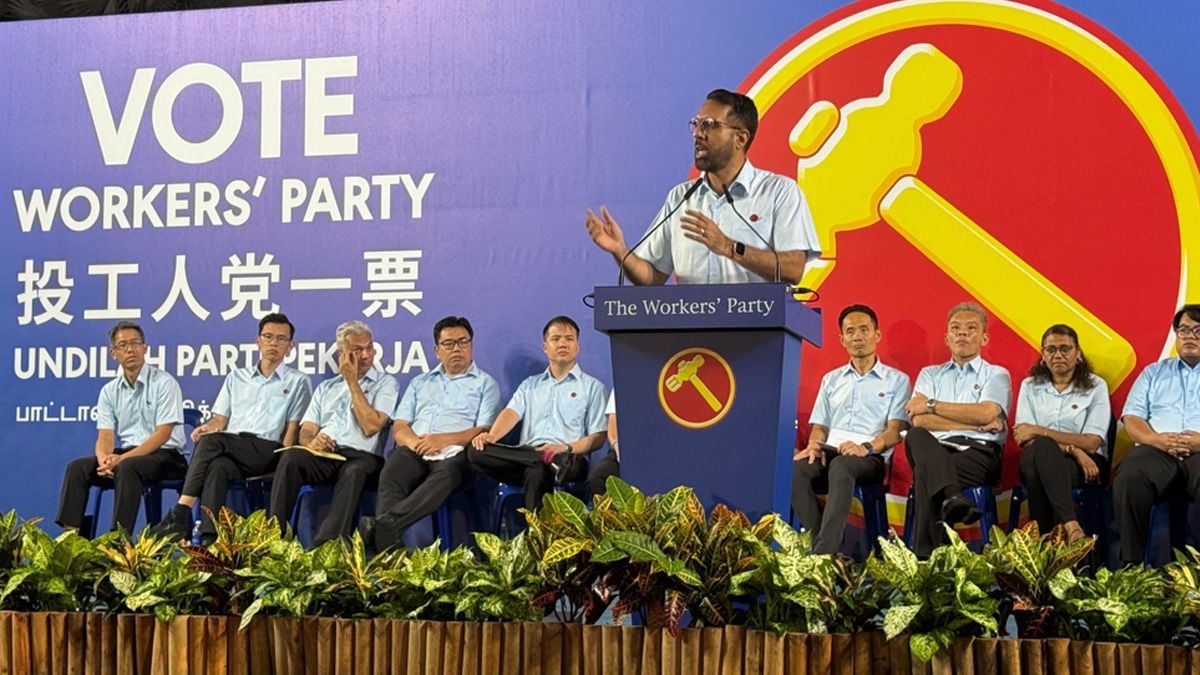
On 7 March 2024, while speaking at the Committee of Supply debate for the Ministry of Digital Development and Information (MDDI), Workers’ Party MP Gerald Giam raised concerns in Parliament about public opinion surveys, questioning whether they were commissioned by the government and, if so, which ministries were responsible.
He noted that the surveys covered political and social issues, including satisfaction with government policies, confidence in institutions, and affordability concerns.
Giam stressed that if public funds were used, the findings should be made public to prevent perceptions of partisan misuse.
“When I asked who commissioned the survey, the pollster could not tell me,” Giam said.
“Are these surveys being commissioned by the government, and if so, which ministry is responsible? Are they used only to shape public policy, or are they also used to gauge public sentiment for electoral purposes?”
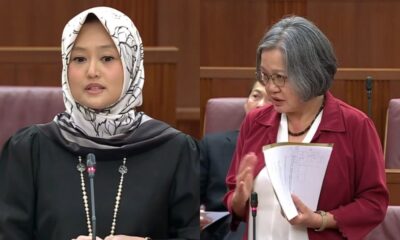
In response, Minister of State for Digital Development and Information Rahayu Mahzam attempted to cast doubt on whether the surveys Giam referred to were government-led.
She stated that it was “unfortunate” that the pollster did not disclose the commissioning party and argued that, without seeing the actual questionnaire, “it is difficult to say for sure that the surveys were conducted by the government.”
She then downplayed the possibility that ministries were involved, saying, “In MDDI’s case, we conduct regular polls to gauge the public’s awareness of scams, as well as the quality of mainstream online media and the public’s news consumption habits.”
She added that when asked by respondents, MDDI representatives “would identify MDDI as the commissioning agency for the surveys.”
However, this response did not address the broader issue Giam raised—whether other ministries were commissioning surveys on public sentiment toward government performance.
By focusing solely on MDDI’s work, Rahayu did not clarify whether ministries were conducting similar surveys without disclosure.
Giam then directly pressed her on this point during the clarification with the ministry, asking if all government pollsters were required to disclose their commissioning agency upfront, without needing respondents to ask.
At this, Rahayu sidestepped the question. Instead of confirming whether such a requirement existed, she stated that MDDI does not oversee all government surveys and that different agencies may have “different needs and may address different issues.”
She further justified the potential anonymity of some surveys by arguing that revealing government involvement could skew responses: “If you ask if a benefit should be improved or increased, then without assessing the whole situation, the person might just respond [by saying yes] because it’s a government survey.”
As for Giam’s push for at least summaries of survey findings to be made public, Rahayu again avoided a clear commitment.
While acknowledging that transparency is ideal, she justified withholding some findings due to confidentiality, sensitivities around race and religion, and contractual obligations with external partners.
Long-standing concerns over undisclosed survey results
Giam’s concerns echo broader criticisms about the opacity of government-funded surveys.
In November 2023, a member of the public alerted The Online Citizen to a door-to-door survey conducted in Jurong West that probed public opinions on governance and national policies.
Participants were unsure which agency had commissioned the survey. The survey, which was more extensive than an earlier phone survey in August, used a mix of rating scales and true/false questions.
The questions explored:
- Confidence in public institutions, including the Singapore Armed Forces
- Trust in the government’s sincerity and whether it is headed in the right direction
- Whether government policies are well-articulated
- Opinions on the Prime Minister’s leadership
- Trust in mainstream media versus social media
- Views on the importance of a strong opposition in Parliament
Participants received an S$10 NTUC voucher to complete the survey.
Despite the comprehensive nature of these surveys, their findings have never been published.
Similar concerns were raised in 2019, when former WP MP Leon Perera urged the government to release results from publicly funded polls.
Then, the senior minister of state for communications and information, Sim Ann, responded that while REACH occasionally shares survey results, not all government agencies publish or even track their surveys.
Workers’ Party chief Pritam Singh has also highlighted the asymmetry of information between the ruling People’s Action Party (PAP) and opposition parties.
In a parliamentary speech in 2023, he pointed to classified survey data as one of the resources the PAP leverages to maintain a strategic advantage in governance and communication.
Accountability for taxpayer-funded surveys
While the government argues that some survey findings must remain confidential, these surveys—whether used for policymaking or to gauge public sentiment on the government—are ultimately funded by taxpayers.
The failure to disclose both the commissioning agency and the results of these surveys raises serious accountability concerns.
If public money is being used to conduct surveys that measure confidence in government leadership and institutions, then Singaporeans have the right to access these findings.
Without transparency, questions will persist over whether such surveys genuinely serve the public interest or function as tools to reinforce political narratives without scrutiny.