Parliament
Five per cent of Plus and Prime BTO flats allocated for public rental
Since October 2024, four in 10 Plus and Prime BTO projects have included public rental flats, making up five per cent of all units across 10 projects, according to Minister Desmond Lee. HDB considers demand, supply, and location when determining the number of rental flats in each development.

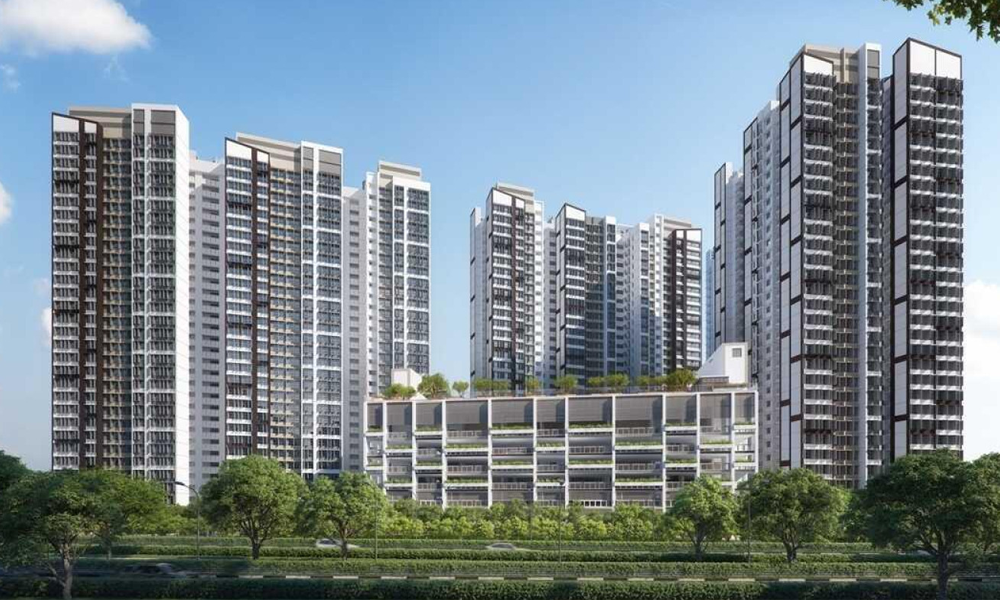
Since the implementation of the new flat classification framework in October 2024, four in 10 Plus and Prime BTO projects have included public rental flats. Across the 10 projects launched under this framework, rental flats comprise five per cent of all units.
This was said by Minister for National Development Desmond Lee in response to a parliamentary question filed by Leader of the Opposition and Workers’ Party chief and Member of Parliament for Aljunied GRC, Pritam Singh, who had asked about the proportion of rental units in Plus and Prime BTO developments and how HDB decides their allocation.
Lee explained that the Housing and Development Board (HDB) builds rental flats in these projects to ensure a balanced social mix and inclusivity within Singapore’s neighbourhoods.
HDB determines the number of rental units in each project based on factors such as projected demand, supply, and the geographical spread of rental flats across the island.
The new BTO flat classification framework was introduced in October 2024, following an announcement during the National Day Rally 2023.
Under this system, new BTO flats are classified into three categories based on their location and attributes:
- Standard flats: The most common type, receiving significant market discounts similar to past BTO flats.
- Plus flats: Located in desirable areas with good connectivity, access to amenities, or unique features like waterfront living.
- Prime flats: Situated in the most sought-after locations, such as central areas with excellent transport links and comprehensive amenities.
Due to their attractive locations, Plus and Prime flats receive additional subsidies to keep them affordable. However, to ensure buyers primarily purchase them for owner occupation, these flats come with stricter resale and rental conditions.
A key restriction for Plus and Prime flat buyers is the 10-year minimum occupation period (MOP), which is double the standard five-year MOP for other HDB flats. This is intended to discourage speculative buying and encourage long-term residence.
Additionally, owners who sell or transfer a Plus or Prime flat bought directly from HDB must return a percentage of the resale price to HDB.
This subsidy recovery amount corresponds to the extent of the additional subsidy provided and is disclosed when new Plus or Prime projects are launched.
For those purchasing a Plus or Prime flat on the resale market, the subsidy recovery requirement does not apply. However, other restrictions remain, including the 10-year MOP, a prohibition on whole-flat rental, and specific eligibility conditions for future buyers.