Parliament
Pritam Singh questions HDB land valuation transparency, Indranee Rajah sidesteps key issues
During the Budget 2025 debate, Pritam Singh questioned the government on HDB land pricing transparency. Indranee Rajah insisted HDB pays “fair market value” but did not disclose how it’s determined. When pressed, she said she was “not privy” to the Chief Valuer’s methodology, sidestepping key concerns.

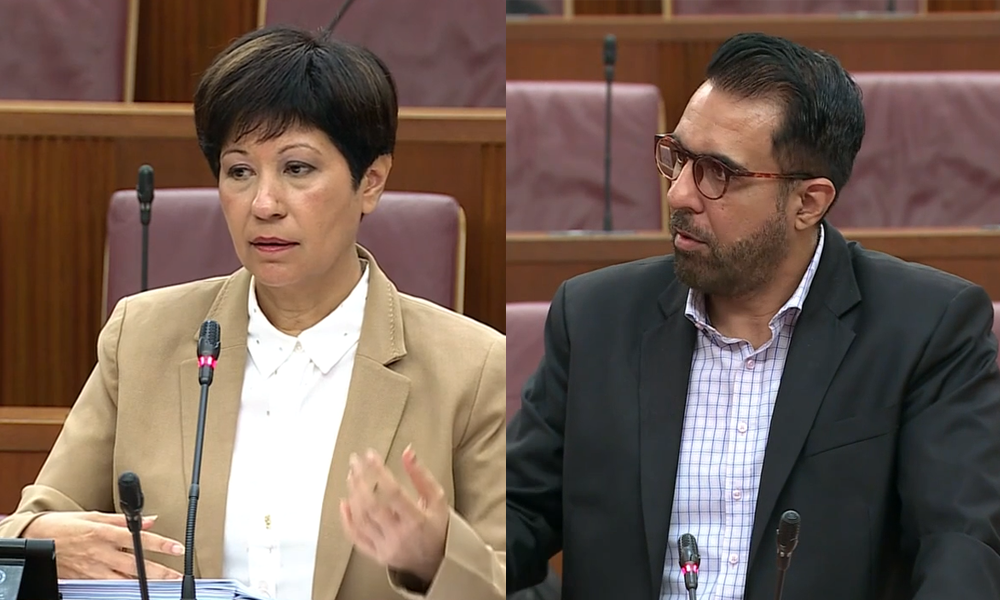
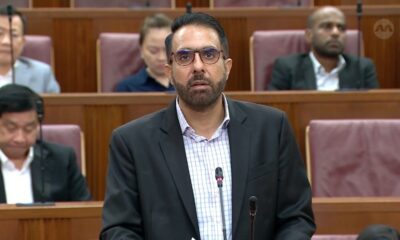
During the Committee of Supply debate for the Ministry of Finance on Monday, Workers’ Party Secretary-General and Leader of the Opposition, Pritam Singh, questioned the government’s transparency in determining land prices for HDB Build-To-Order (BTO) flats.
However, the Second Minister for Finance, Indranee Rajah, sidestepped the specifics of his inquiry, providing broad explanations without addressing the core issue of public accountability.
Singh highlighted the sharp increase in HDB resale prices—rising by 58% between early 2020 and 2024—and pointed out a lack of public disclosure on how land for BTO flats is valued.
“With such a sharp rise in resale prices, there is inevitably a serious concern about whether land for HDB BTO flats is priced sustainably, or if ever-growing subsidies are going to be needed in future to make HDB flats affordable,” he stated.
He contrasted the opacity in HDB land pricing with the transparency of the Land Betterment Charge (LBC) framework, which publishes zone-specific valuation data for private developments.
“What is stopping the government from lifting the veil from this aspect of the Chief Valuer’s work?” Singh asked.
“Can the Minister tell us how the Chief Valuer discounts the land sold to HDB? Beyond the general explanation of market principles, how is this discount derived, and what is its basis?”
Indranee, in response, argued that the comparison to LBC was “misconceived,” stating that the LBC framework exists because landowners need to know how much they have to pay.
In contrast, she said, “The valuations for state land purchased by HDB are all spot valuations because there is only one buyer—the HDB. The valuation outcome is made known to HDB as the paying party. It is not necessary to put out a public table of rates like the LBC.”
On the question of how HDB land is priced, Indranee denied that the land was sold at a discount. “There is no discount. HDB pays fair market value for state land,” she insisted.
“The fair market value is determined by the Chief Valuer using established valuation principles.”
However, she did not elaborate on how the Chief Valuer arrives at this fair market value.
When Singh pressed further, asking, “How is the differential then determined between private housing land and land for HDB flats?”
Indranee responded, “I’m not privy to the workings of the Chief Valuer.”
She maintained that the valuer applies professional methodologies but did not provide details on how the valuation differs based on locational attributes and restrictions specific to public housing.
Indranee also reiterated the government’s position that BTO flat pricing is based on affordability, not land costs.
“We do not pass land costs through to the BTO buyer,” she said, adding that subsidies and grants ensure that flats remain within reach for Singaporeans.
Singh’s queries, however, highlighted the concern that without transparency in how land costs are determined, there is no way to verify whether rising resale prices are impacting HDB’s valuation methodology, potentially affecting long-term affordability.
“The only explanation the public relies on is its reference to the unknown ‘fair market value’ for HDB land,” he pointed out, pressing for the government to reveal whether land pricing is truly independent of resale price trends.
Despite these concerns, Indranee declined to commit to greater transparency, leaving questions about HDB land valuation unanswered.
The exchange underscored the ongoing debate over housing affordability and government accountability in Singapore.
Correction: The committee of supply was meant for Ministry of Finance and not the Prime Minister’s Office