Parliament
Sylvia Lim questions Budget accuracy, affordability, and support for vulnerable homemakers
Workers’ Party MP Sylvia Lim has raised concerns over budget accuracy, affordability, and support for vulnerable Singaporeans in the Budget 2025 debate. She questioned the government’s revenue underestimation and reliance on handouts to ease living costs. Lim also proposed mandatory spousal consent for CPF nominations to protect non-working spouses.

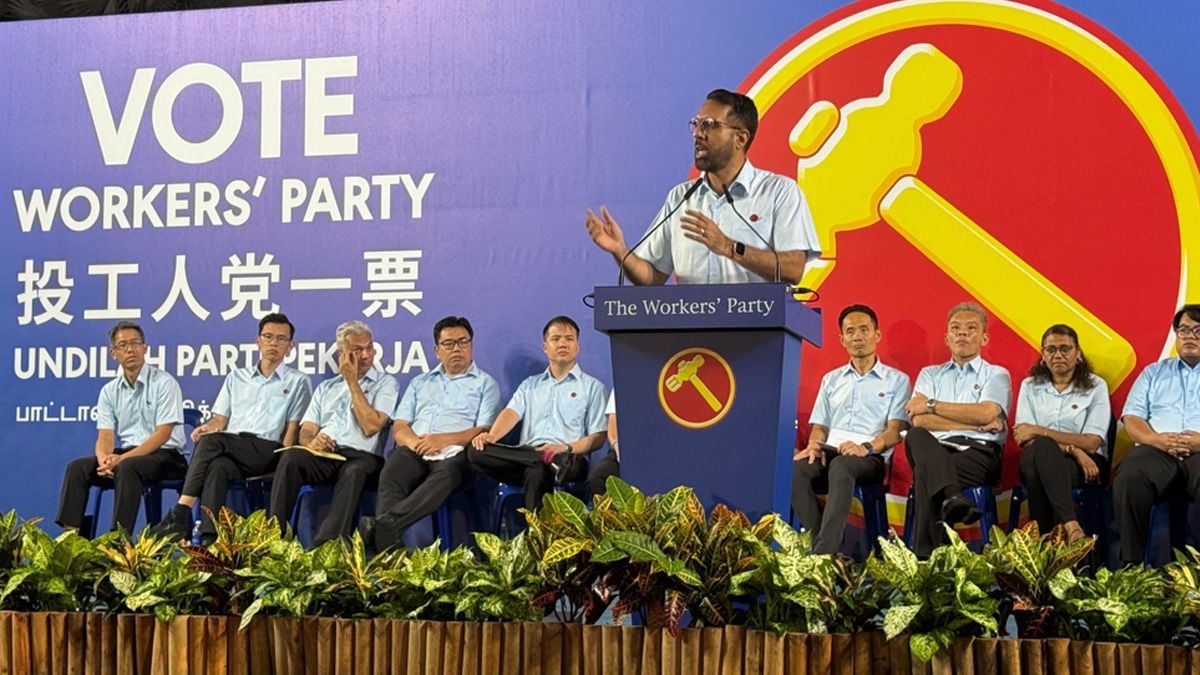
Workers’ Party MP for Aljunied GRC, Sylvia Lim, delivered a speech in Parliament during the Budget 2025 debate, focusing on three key issues: Budget marksmanship, affordability, and the protection of vulnerable homemakers.
She highlighted significant discrepancies in government revenue forecasting, questioned the sustainability of financial assistance measures, and proposed a policy change to safeguard non-working spouses in retirement planning.
Lim criticised the Ministry of Finance’s revenue forecasting, pointing out that the projected surplus of S$0.78 billion for FY2024 had been vastly underestimated, with revised figures revealing an S$8 billion increase in total operating revenues.
She noted that this discrepancy, largely attributed to unexpected rises in corporate income tax, Vehicle Quota Premiums (COEs), and Goods and Services Tax (GST), raised serious concerns.
“In September last year, midway through the fiscal year, PM Wong responded to a Parliamentary Question from Workers’ Party MP Louis Chua, reiterating the projected surplus of S$0.78 billion,” Lim stated.
“Was there an awareness at that point of the significant deviation from projections? If so, should an updated estimate have been provided? If not, why was this discrepancy not identified earlier?”
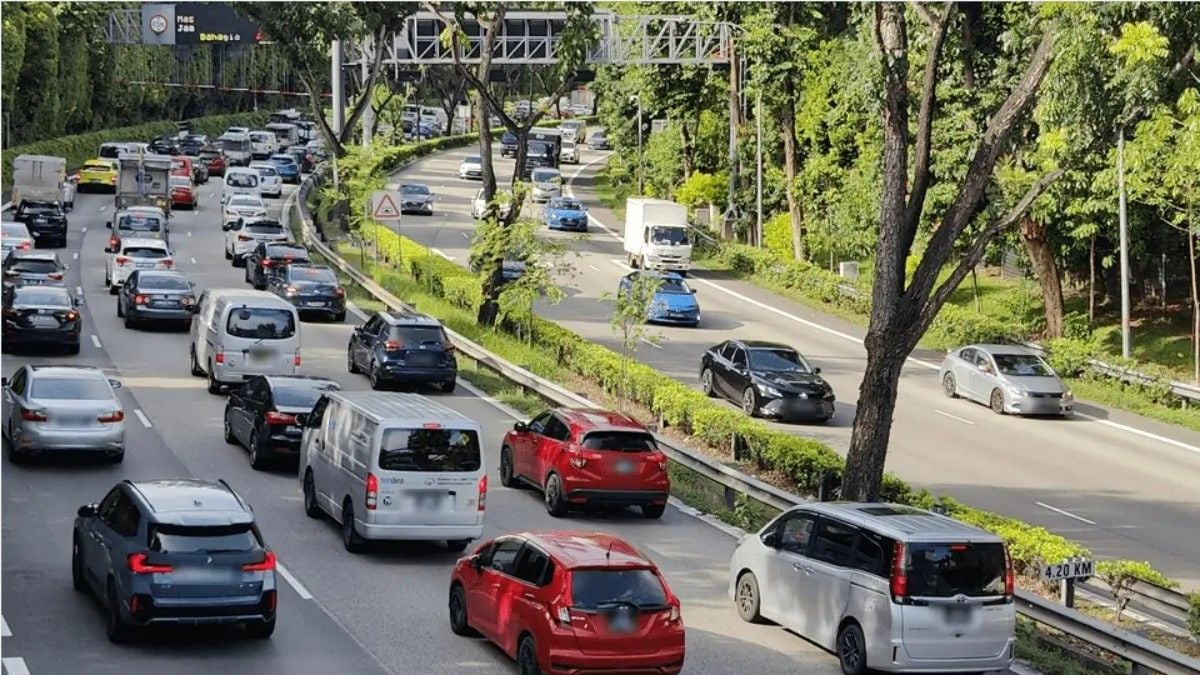
She emphasised that the higher-than-expected revenue from COE and GST directly reflected the financial struggles faced by Singaporean families, with rising costs of essential items like food adding pressure.
While acknowledging external inflationary pressures, she asserted that “COE and GST are outcomes of domestic policies,” and questioned whether the government’s response of issuing financial aid was sustainable in the long term.
Affordability: A government-dependent reality?
Lim scrutinised the government’s approach to cost-of-living pressures, arguing that affordability in Singapore appeared increasingly reliant on government assistance through vouchers, subsidies, and grants.
She pointed to key areas where heavy state intervention suggested that basic needs were unaffordable without help:
- Utilities and household essentials: The reliance on rebates indicated that many families might struggle without such aid.
- Public housing: The continual need to increase housing grants suggested that Housing Development Board (HDB) flats would otherwise be beyond the reach of many.
- Childcare and education: The dependency on subsidies and fee caps indicated concerns over affordability for the average household.
She questioned the long-term feasibility of this model, citing economists Linda Lim and Pang Eng Fong, who recently argued that “the persistent need for subsidies for basic goods and services – like food, accommodation, and utilities – in one of the world’s richest countries indicates that prices are too high and wages too low to enable a substantial segment of Singaporeans to make ends meet.”
Lim also noted public concerns, referencing a question from a Channel News Asia TV caller: “Can the Minister reassure us that the government is looking into the rising cost of living and not just providing handouts?”
She warned of a potential “endless upward spiral in prices and increased handouts, in the name of ‘affordability’.”
Protecting vulnerable homemakers: A call for CPF nomination reform
Turning her attention to vulnerable homemakers, Lim highlighted a policy gap in CPF nominations, which could leave non-working spouses—mostly wives—without financial security upon their partner’s death. She pointed out that CPF members can currently nominate beneficiaries without their spouse’s consent, potentially excluding them from crucial retirement savings.
“Retirees aged 65 and above were found to rely on CPF funds to cover 55% of their median expenses,” she noted, referencing a DBS Bank study. This reliance underscored the importance of CPF savings for retirement security, making the risk of exclusion particularly significant for non-working spouses.
Lim argued that in divorce proceedings, CPF funds accumulated during the marriage are considered matrimonial assets, ensuring a fair division.
She questioned why a non-working spouse’s financial interest was protected in divorce but not in the event of a spouse’s death.
To address this issue, she proposed requiring spousal consent for any CPF nomination that excludes the spouse.
Under this system, the spouse would serve as a necessary witness to the nomination. Alternatively, a default provision could ensure that 50% of CPF balances go to the spouse, with the remaining portion distributed according to the member’s nomination.
“I intend to raise this issue during the Committee of Supply debates for the Manpower Ministry. I hope the Ministry will give this proposal some consideration,” she stated.
A pre-election Budget with sustainability concerns
Lim acknowledged that Budget 2025 offered broad-based benefits but questioned its long-term viability, particularly as a prelude to the General Election.
“These measures will help households for now, but the issue is how sustainable such an approach is,” she cautioned.
She urged the government to seriously address the three areas she raised: improving budget accuracy, managing cost-of-living pressures without excessive handouts, and protecting vulnerable homemakers from financial insecurity.
As Singaporeans continue to grapple with affordability challenges, Lim’s speech underscored the need for deeper structural changes beyond short-term financial assistance.