Opinion
Assoc Prof Ian Chong: Pritam Singh’s verdict unlikely to sway public opinion or WP leadership
Assoc Prof Ian Chong noted that Pritam Singh’s verdict on Monday is unlikely to shift public opinion, as many already have entrenched views. He does not expect a leadership challenge within WP and believes voters are more focused on key issues like cost of living, housing, and the economy rather than Singh’s conviction.


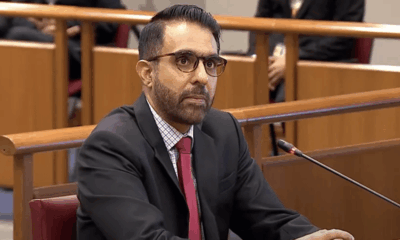
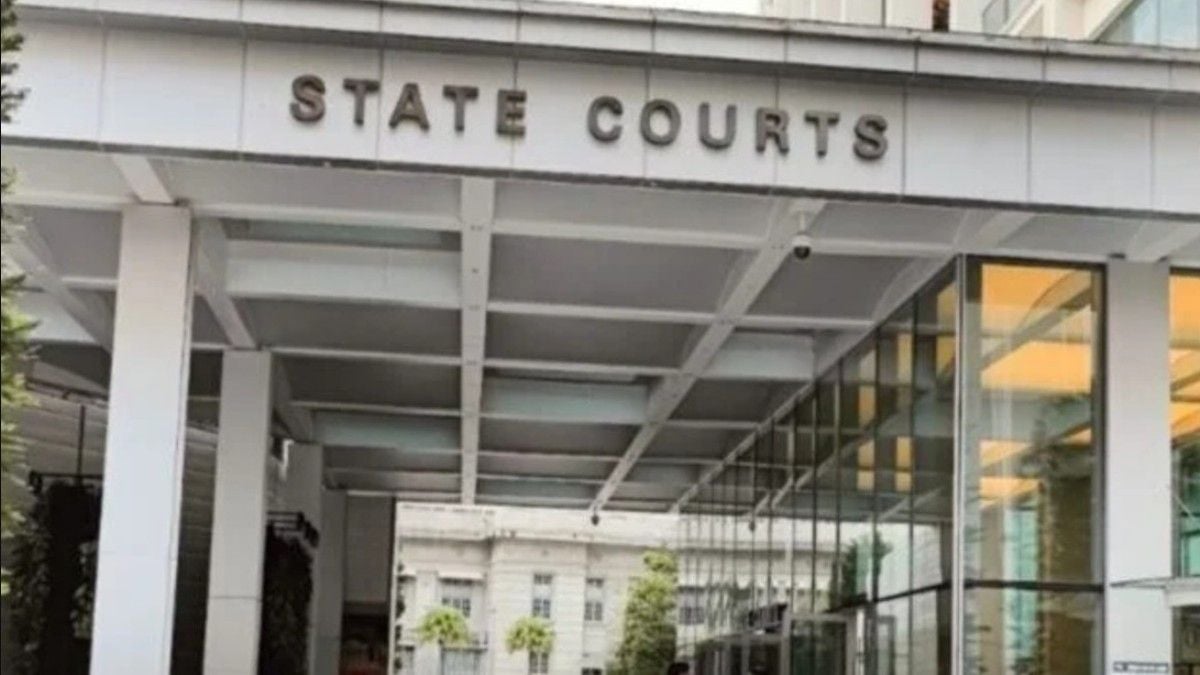
On 17 February 2025, the State Court found Workers’ Party (WP) chief and Leader of the Opposition Pritam Singh guilty of providing false testimony to the Committee of Privileges (COP) and fined him S$14,000—the maximum penalty for the offence.
The ruling stemmed from Singh’s statements regarding his interactions with former WP Member of Parliament (MP) Raeesah Khan, who had lied in Parliament on 3 August 2021 about accompanying a sexual assault survivor to a police station.
Khan later admitted in November 2021 that her anecdote was untrue, leading to a COP inquiry into the matter.
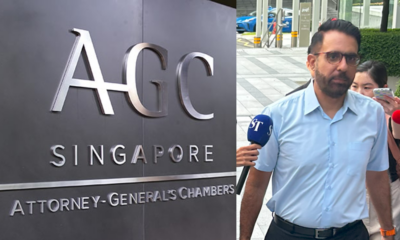
The committee concluded that Singh had misled them about instructing Khan to come clean about her false statement and referred the matter to the Attorney-General’s Chambers (AGC).
After an investigation by the police, the AGC decided to prosecute Singh on two counts of providing false testimony.
Following a 13-day trial between 14 October and 8 November 2024, Singh was convicted under the Parliament (Privileges, Immunities and Powers) Act. The court ruled that his statements were untrue and imposed the maximum fine of S$7,000 per charge, totalling S$14,000.
One of the many experts quoted by mainstream media on the matter, Associate Professor Ian Chong from the National University of Singapore’s political science department, shared his insights on the political ramifications of the ruling.
He published on his Facebook page the answers he had given in response to questions from various media outlets via written emails and phone calls.
He noted that public opinion regarding Singh and the case was largely entrenched before the verdict.
“There will be those who think Mr Singh is being unfairly targeted. There are others who think he is dishonest. They do not need the verdict for these opinions,” he stated.
Impact on WP Leadership and Internal Party Dynamics
Despite the conviction, Assoc Prof Chong does not anticipate a leadership challenge within the WP. He pointed out that the party’s Central Executive Committee (CEC) was elected in June 2024, when Singh’s legal troubles were already a possibility.
“The WP and its cadres still returned Mr Singh as Secretary-General. Such circumstances suggest a leadership challenge is unlikely,” he explained.
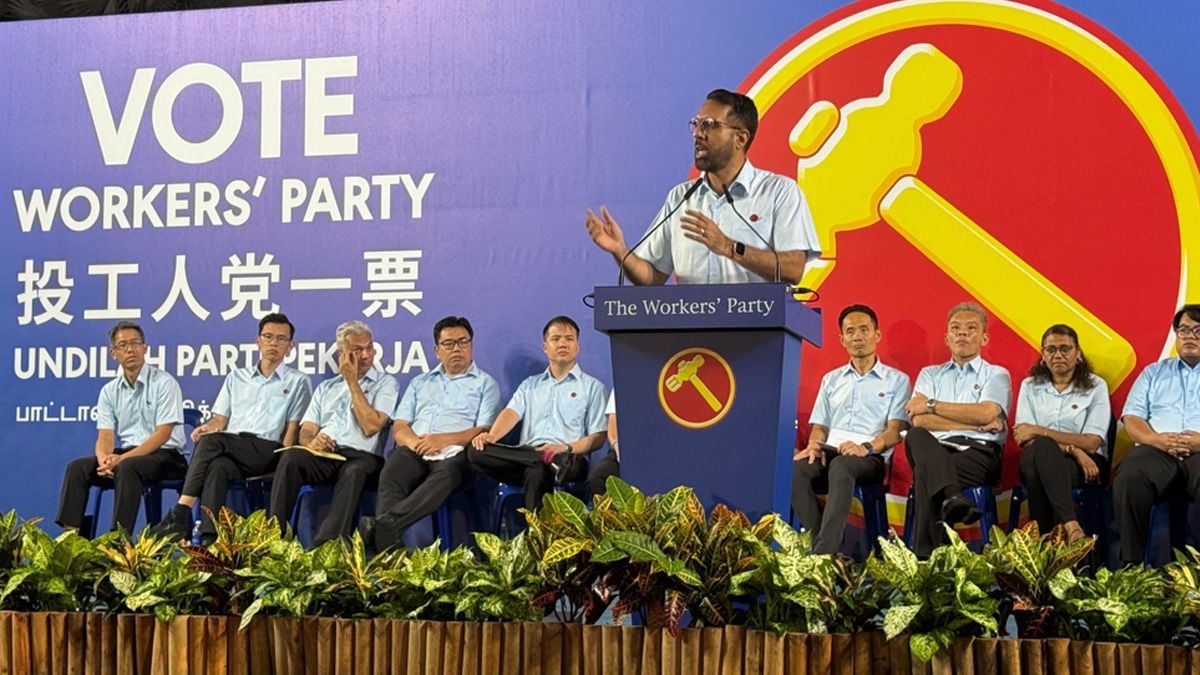
WP’s official social media response following the verdict also suggests that the party is standing by Singh, who has said he will be contesting in the upcoming General Election.
While speculation about his leadership may persist, Assoc Prof Chong does not foresee internal divisions arising as a result of the ruling.
Electoral Prospects and Public Perception
With a general election expected in the near future, the WP will need to navigate the political fallout of Singh’s conviction.
However, Assoc Prof Chong believes that the case is unlikely to significantly shift public sentiment.
“This verdict or no, they are always going to be attacked by their opponents, critics, and the media,” he said, adding that WP’s campaign focus is expected to remain on key national issues such as cost of living, housing, and inequality.
Unlike the Aljunied-Hougang Town Council (AHTC) case, which directly involved estate management concerns, Singh’s perjury conviction does not have an immediate impact on Singaporeans’ daily lives.
“In today’s environment, they are likely to be more concerned about cost of living, housing, and inequality issues, as well as how the ongoing global uncertainty would affect Singapore and its economy,” Assoc Prof Chong remarked.
He further noted that while Singh’s conviction may be used by political opponents and the media to divert attention, the WP’s core supporters may view it as politically motivated.
“Rather than strictly negative or positive, I think the verdict polarises and entrenches existing perspectives for many,” he observed.
Do Voters Care About Singh’s Conviction?
When asked whether the verdict would significantly affect voters’ perceptions of WP’s values and beliefs, Assoc Prof Chong reiterated that public opinion is shaped more by pre-existing attitudes than the case itself.
“The PAP and the media may wish to shift impressions, but that will depend on how these actors try to cast the WP going forward and if they are successful,” he said.
He also highlighted that Singh’s decision to appeal could influence the way the case is discussed in public discourse due to sub judice considerations. This may affect how the WP’s opponents and the media approach the issue in the coming months.
Regarding voter sentiment, Assoc Prof Chong suggested that while some individuals may take note of the verdict, it is unlikely to be a decisive factor in the election.
“Singapore and Singaporeans may have much bigger issues to worry about. Whether Pritam Singh was sentenced and fined for lying in Parliament does not affect their lives,” he explained.
Drawing comparisons to past incidents, he recalled that in the 2020 general election, voters prioritised other issues over the unresolved AHTC case.
Similarly, allegations against WP in Punggol East in 2015 did not significantly impact the party’s standing, as they had no direct effect on voters’ daily lives.
Assoc Prof Chong’s analysis suggests that while Singh’s conviction is politically significant, its direct impact on voter behaviour remains uncertain.