International
Explosive devices target Hezbollah in Lebanon, killing 20 and injuring over 450
Explosions targeting walkie-talkies killed 20 and injured over 450 in Lebanon. The attack, suspected to be carried out by Israel, escalates tensions with Hezbollah, raising international concerns of a potential war crime.

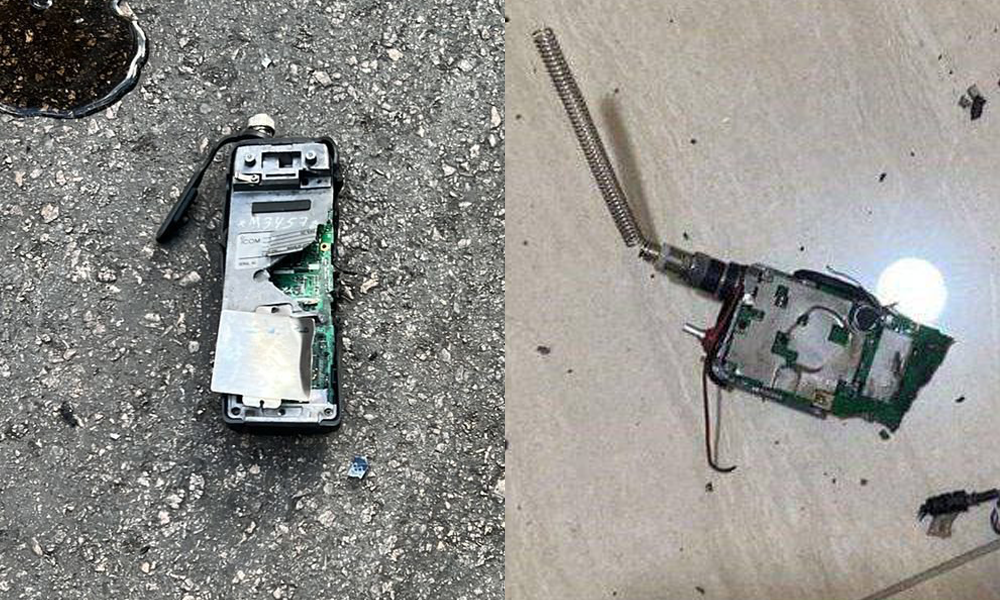
A coordinated series of explosions targeting walkie-talkies in Lebanon killed at least 20 people and injured more than 450 on Wednesday, prompting international concerns that the attacks may constitute a war crime.
Thousands of booby-trapped communication devices exploded across Lebanese cities, particularly in Hezbollah strongholds, just one day after a similar attack involving pagers killed 12 and injured over 2,800.
Israel is widely suspected of being behind the strikes, escalating tensions with Hezbollah.
The explosions, described as “small in size” but widespread, mark a potential shift in the ongoing conflict between Israel and Hezbollah, an Iran-backed militant group that controls parts of Lebanon.
International observers have condemned the attacks, with UN Secretary General António Guterres calling for restraint while noting that the scale and strategy of the operation suggest it could be a prelude to a broader Israeli military assault on Lebanon.
On Tuesday, Israeli media reported that the decision to detonate the devices might have been driven by fears that Hezbollah was close to discovering Israeli efforts to sabotage its communications infrastructure.
Hezbollah confirmed that its walkie-talkies had been targeted in Wednesday’s explosions.
The attacks came shortly after a meeting between Israeli Prime Minister Benjamin Netanyahu and US officials aimed at de-escalating the situation.
UN Human Rights Chief Volker Türk warned that the indiscriminate nature of the explosions violated international law, as the devices targeted may have been in civilian possession.
Human Rights Watch echoed the sentiment, highlighting that booby traps such as these, which explode without specific targeting, breach international humanitarian law.
While Israel has not officially claimed responsibility for the attacks, Israeli Defense Minister Yoav Gallant praised Israeli intelligence agencies for their “great achievements” during a visit to a northern air force base, while stressing that military resources were being diverted northward to confront Hezbollah.
Netanyahu reaffirmed Israel’s commitment to returning northern Israeli residents to their homes, further suggesting a potential escalation.
Lebanese officials, including Hezbollah, have blamed Israel for the attacks, vowing retaliation. The explosions occurred during a tense period in Lebanon, where ongoing violence threatens to spiral into a broader regional conflict.