Opinion
Do government agencies still have to pay SPH for coverage despite massive grants?
On Tuesday (30 July), The Straits Times featured two pieces of branded content online: one from the WSH Council on workplace fatal injury rates, and another from the CPF on CPF annuities. Given the substantial government funding SPH receives, why does it seem that statutory bodies are paying to publish public interest content?


On Tuesday (30 July), The Straits Times showcased two pieces of branded content online: one from the Workplace Safety and Health (WSH) Council discussing workplace fatal injury rates, and another from the Central Provident Fund (CPF) about CPF annuities.
The content from the WSH Council by the same author was also published in the printed newspaper along with the awardees of the WSH Awards 2024, but there was no mention of it being branded content.
Putting aside whether the printed content for WSH Council was paid — which they likely were with the massive advertisements carried by other construction companies , the branded content raises important questions about the commercial arrangement between Singapore Press Holdings (SPH) and government agencies.
The branded content label on these articles suggests they were published with monetary support, raising questions about the necessity of such payments when SPH is already heavily funded by taxpayers.

It was announced in 2022 that the Singapore government would grant a support fund of —up to S$900 million over five years to SPH Media Trust (SMT)
Despite the substantial funding SMT receives, it appears that statutory bodies from the Ministry of Manpower still have to pay to publish content on SPH’s platforms.
This prompts a critical inquiry: Do these government agencies — even if they are statutory boards — need to pay SPH for content that serves the public interest, especially when SPH is already receiving considerable financial support from the government?
Government Funding for SPH Media
In March this year, Josephine Teo, Minister for Communications and Information, disclosed that SPH Media Trust (SMT) fell short of meeting certain Key Performance Indicators (KPIs), resulting in the media entity not receiving the full committed funding.
During the budget debate, Ms Teo noted that SMT did not achieve its KPIs for digital reach, youth reach, vernacular reach, and average time spent on its websites and apps. Consequently, SMT did not receive the full funding that was committed, indicating that the efforts expended so far are just the initial steps.
Despite these shortcomings, Ms Teo asserted that the government funding allocated to SPH Media has been “put to good use,” while also acknowledging that SPH Media must intensify its efforts to sustain relevance in the dynamic media landscape.
MCI has earmarked approximately S$260 million in funding for SPH Media in the fiscal year 2024, with around S$320 million already disbursed across 2022 and 2023.
Accountability and Public Interest
Given the substantial financial support from the government despite what was said about it misrepresenting circulation figures, it is perplexing why SPH appears to charge government agencies for branded content instead of producing standard reports on the issues that the agencies would like to highlight. This situation seems contradictory to the rationale presented by Josephine Teo for supporting SPH Media, which emphasized the public service role of SPH in providing trusted mainstream media content.
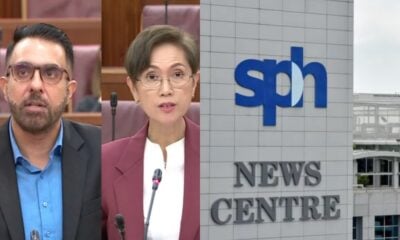
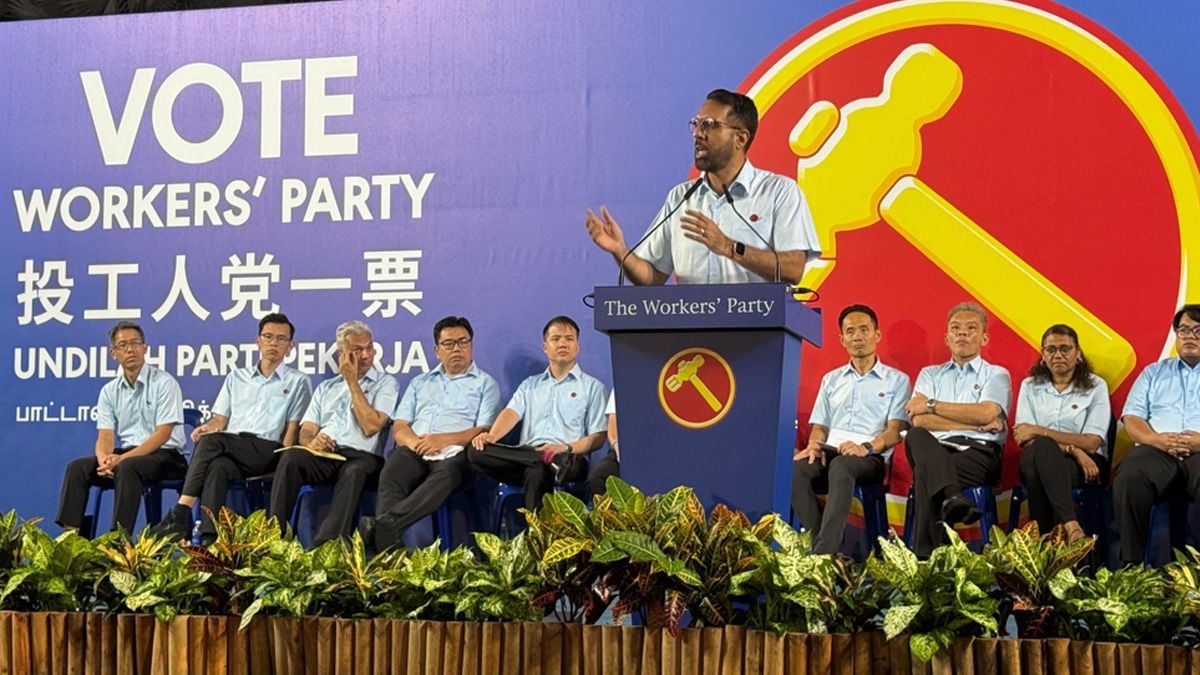
During the budget debate, Leader of Opposition Pritam Singh highlighted the significant public interest in how SPH Media Trust serves Singaporeans, especially given the taxpayer funding it receives.
The government’s rationale for subsidizing SMT included its transition into a digital news company, the preservation of local news media in vernacular languages, and the establishment of a trusted mainstream media.
Mr Singh questioned the KPIs set for SMT and its performance against these indicators after one year of subsidy, seeking clarity on how SMT addresses its risk management framework and stakeholder accountability.
In response, Ms Teo reiterated the government’s critical role in safeguarding SPH Media, emphasizing its public service media role and the need for government intervention to sustain it amid profound industry disruptions.
She underscored the funding’s strategic direction towards talent, technology, and vernacular capabilities to promote quality journalism, digital transformation, and multiculturalism.
Given the substantial funding from the government, it is reasonable to question why statutory bodies like the WSH Council and CPF would have to pay SPH for content that serves the public interest.
This question calls for greater transparency and accountability in the utilization of public funds and the financial relationships between government agencies and media entities.
Ultimately, the goal should be to ensure that public interest content is accessible without additional financial burdens on government agencies, thereby maximizing the value of taxpayer-funded support for SPH Media.
If SPH Media cannot exist without the support of taxpayers’ money, perhaps it should follow in the footsteps of income and be sold to a multinational corporation that can better operate the media outlet.
After all, no cow is too sacred to be sold, as former Nominated Member of Parliament Calvin Cheng puts it, and taxpayers should not have to foot the bill for propaganda.