Comments
Netizens mock DPM Heng’s dismissal of concerns on Singaporeans’ reliance on Govt aid
DPM Heng rejects claims that 2024 budget support measures fosters dependence, stating no signs of excessive reliance. NCMP Hazel Poa earlier cautioned against majority relying on govt aid for living costs, deeming it unhealthy.

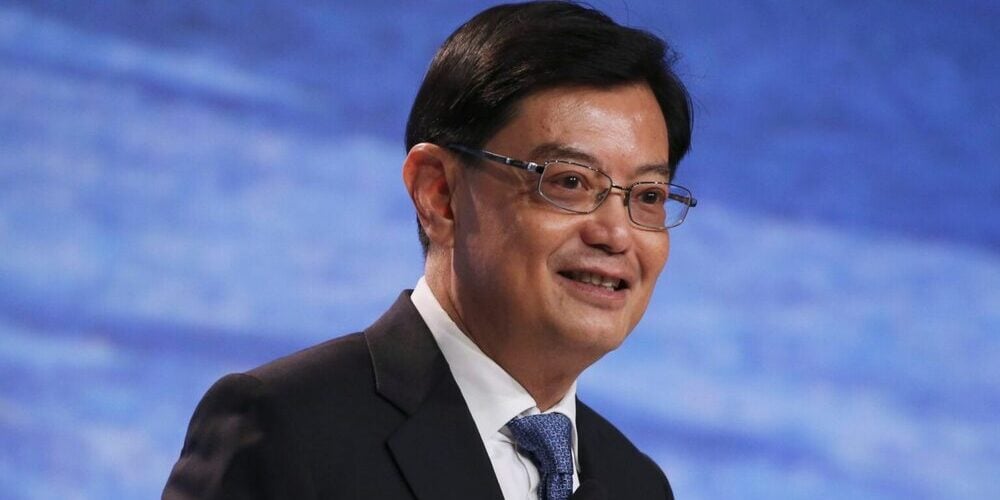
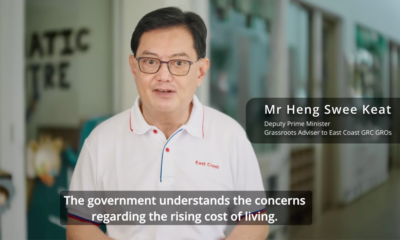
SINGAPORE: Deputy Prime Minister Heng Swee Keat refuted the notion that the support measures outlined in Budget 2024 aim to foster increased dependence on the Government among Singaporeans.
DPM Heng asserted that there is currently no indication of an excessive reliance on economic assistance within the populace.
Responding to inquiries during the Mandarin discussion titled “Survival And Challenges Singapore Faces In This Ever-changing World,” organized by the Teochew Federation on Monday (11 March), DPM Heng, who also holds the position of Coordinating Minister for Economic Policies, addressed concerns raised by participants regarding the utilization of reserves during the pandemic to support citizens and businesses.
These concerns were accompanied by questions about the potential risk of fostering excessive dependency through the distribution of various forms of cash assistance and shopping vouchers.
DPM Heng highlighted that certain countries, like the United States, are exploring the concept of “universal basic income,” where citizens receive a fixed amount of money regularly due to increasing automation replacing workers in specific sectors.
In contrast, Singapore’s approach is to focus on empowering the workforce with artificial intelligence (AI) skills.
Despite being a small economy, Singapore has demonstrated agility and resilience by swiftly recovering from the COVID-19 pandemic, according to DPM Heng.
Encouraging local companies to adopt a long-term perspective, DPM Heng emphasized, “No country’s economy is in a perpetual state of growth. What matters is the determination to foster growth.”
DPM Heng stressed the importance of prudence in utilizing the nation’s reserves, pointing out that some government officers have suggested raising the goods and services tax (GST) rate to 10% instead of 9% to generate more revenue for assisting the needy.
He countered this approach, stating, “This is not the way; we aim to build a compassionate society where those who can contribute, help the disadvantaged.”
DPM Heng says “up to party to decide” on his East Coast GRC Candidacy
During an interaction with Ms Lee Huay Leng, editor-in-chief of SPH Media Trust’s Chinese Media Group, DPM Heng was asked about the possibility of his candidacy in East Coast GRC amid early election speculation in 2024.
Conducting an informal poll among the audience, the majority raised their hands in agreement with the likelihood of a general election in 2024.
When questioned about the election date, DPM Heng replied, “It may be this year or next. You have to ask the Prime Minister.”
Regarding his potential candidacy in East Coast GRC, he stated, “It’s up to the party to decide.”
Netizens voice concerns over escalating cost of living despite DPM Heng’s assurance on support measures
Despite DPM Heng’s assurance that support measures are not intended to increase Singaporeans’ reliance on the Government, many netizens have underscored the escalating cost of living, with a growing number already feeling the impact of the rising GST.
Commenting on the Facebook page of the Singapore state media, The Straits Times, a concerned netizen highlighted the repercussions of government policies on those in need, noting that in the past, individuals with low incomes were exempt from paying income tax.
However, the introduction of an additional GST now places the burden of this tax on individuals with low incomes, including those in families without any income.
The comment went on to provide an illustrative example of the rising cost of everyday items, such as coffee, emphasizing that while both the rich and the poor pay the same increased amount, the impact is disproportionately greater for those with lower incomes.

Netizen highlighting irony of citizens in wealthiest nation depending on GST for aid
A netizen derided DPM Heng’s statement as ironic, emphasizing the paradox of a significant number of citizens in the wealthiest nation globally relying on GST for assistance.

A sceptical comment questioned the sincerity of the “raising GST to aid the needy” rhetoric, pointing out that in reality, the government’s tax collection exceeds the funds allocated for assisting the needy.
The observation further highlights concerns about the government’s expanding size, increased power, and the growing expenses required to sustain it, alluding to a situation where the priorities and effectiveness of the allocated funds are under scrutiny.

Additional comments expressed worries about whether DPM Heng’s statements hint at a potential future hike in GST.
Caution was advised, considering the potential burden this may place on the everyday lives of people on the ground.

A comment criticized the minister, suggesting a lack of comprehensive understanding regarding the impact of the GST on the general population.
The comment pointed out widespread negative consequences, such as increased bankruptcies and closures of shops and businesses. Even coffee shop stalls, traditionally vibrant, are reportedly vacant and unrented.
“Think you need to go to the grassroots level to actually see it with your own eyes,” the comment told DPM Heng.

NCMP Hazel Poa raises concerns over majority relying on Government grants for living costs, deeming it an unhealthy situation
In fact, during the Budget 2024 debate on 26 February, Hazel Poa, Non-Constituency Member of Parliament (NCMP) from the Progress Singapore Party (PSP), has already cautioned against a situation where the majority of the population depends on government assistance to manage the cost of living, deeming it inherently unhealthy.