Business
Temasek-backed Eat Just pauses cultivated meat production in Singapore amid challenges
Eat Just halts Singapore’s cultivated meat production, affecting alternative protein’s future. The firm faced setbacks despite 2020’s regulatory nod. #EatJust #Singapore #CultivatedMeat


In a surprising development, the Temasek-backed food technology firm Eat Just Inc. has halted the production of its cultivated meat in Singapore, casting a shadow over the future of alternative protein sources in the region.
The Californian company, which made headlines in 2020 for obtaining the world’s first regulatory approval to sell cultivated meat in Singapore, has faced a series of setbacks leading to the current pause in operations, as reported by The Straits Times (ST).
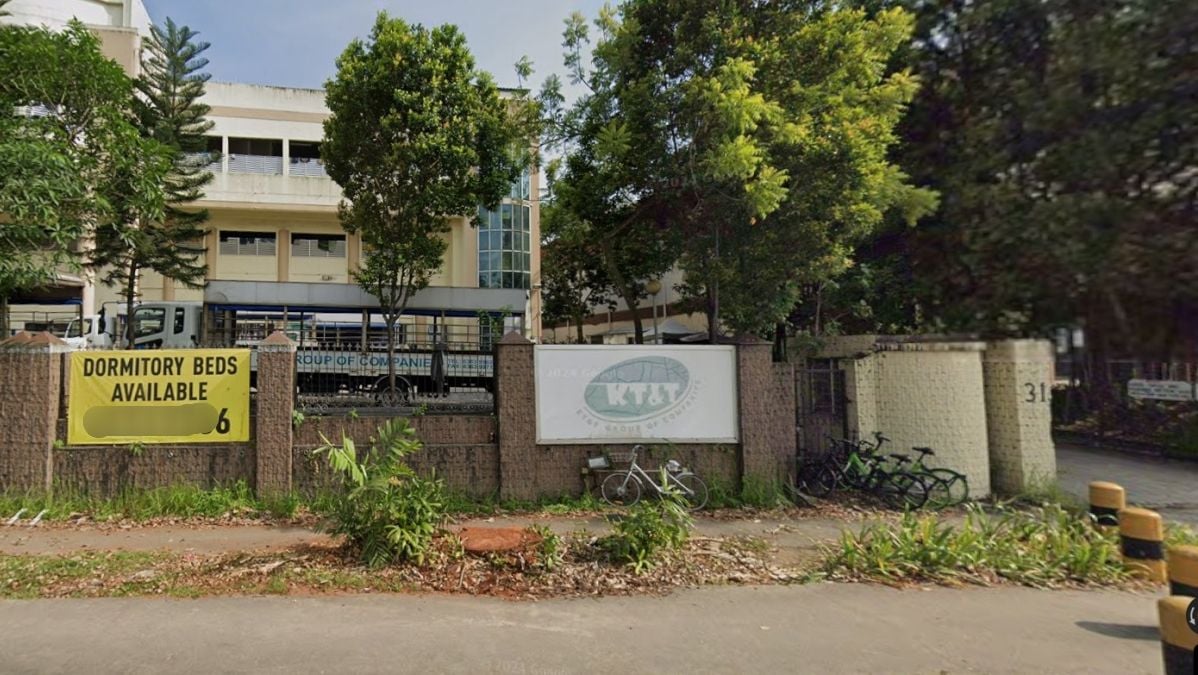
The pioneering product, known as Good Meat, is a cell-based chicken alternative that was previously available at Huber’s Bistro, the sole restaurant in Singapore offering the novel food. However, checks by ST revealed that Eat Just’s production facility in Bedok, which was expected to commence operations in the third quarter of 2023, remains shuttered, and its products are no longer available at Huber’s Bistro.
In response to inquiries, a spokeswoman for Eat Just cited the evaluation of various processing conditions, unit economics, and a broader strategic approach to production in Asia as reasons for the production pause. The halt has affected not only the anticipated Bedok facility but also a separate commercial manufacturing site previously involved in producing the cultivated chicken products.
This setback is part of a larger pattern of challenges for Eat Just, including legal disputes and financial woes.
In September last year, Bloomberg reported that Eat Just received a US$16M capital injection from existing investor VegInvest/Ahimsa Foundation amid suggestions of a cash crunch.
However, according to Bloomberg, neither of Eat Just’s business segments—vegan eggs or cultivated meat—are profitable, with the company reportedly “unable to pay bills from some of its business partners,” citing anonymous sources familiar with the situation.
Reports have emerged of a legal battle over alleged unpaid invoices and a significant lawsuit from its bioreactor manufacturer, alongside a cost-cutting move that resulted in the dismissal of about 40 employees.
The delay and eventual pause in production mark a significant turn from the company’s ambitious plans for the region, which included a $61 million manufacturing facility for cultivated meat and a separate initiative to build a plant-protein factory for producing plant-based eggs.
Despite raising substantial funding, including a notable US$200 million round led by Qatar’s sovereign wealth fund, the company has had to recalibrate its strategies in the face of operational and financial hurdles.
Anuj Maheshwari, Managing Director of Agribusiness at Temasek Holdings, previously told Bloomberg, “We’re not going to wait until 2050 for plant-based products to become mainstream. It’s going to happen in the next five to seven years.”
He added, “We remain bullish on this; we think the science will develop, and we will continue to invest in this sector,” Maheshwari said. “Unlike the plant-based sector, this is a more long-term game. But for Temasek, it’s exactly the kind of thing we can do, which a lot of our peers might not be able to do.”
According to Bloomberg, as of 2021, Temasek has invested more than US$8 billion across the global agri-food supply chain since 2013, including investments in lab-grown chicken maker Eat Just and Upside Foods. It is unknown how much Temasek has sunk into Just Eat.
This article was first published on Gutzy Asia.