Parliament
Lawrence Wong: GST impact on inflation is not permanent
In Wednesday’s Budget debate, DPM Wong reaffirmed the PAP government’s rationale for raising GST. He defended that the GST hike impacts on prices is “once off” and not permanent.

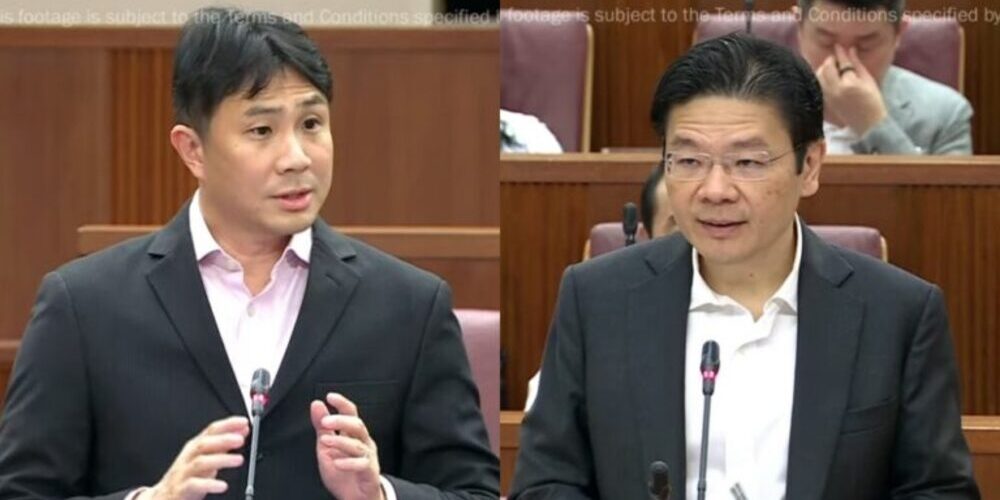
SINGAPORE: While acknowledging that the Goods and Services Tax (GST) rise does impact inflation, Deputy Prime Minister Lawrence Wong, in his Parliament address during the Budget 2024 debate on Wednesday (28 February), once again defended the PAP government’s decision to raise GST to 9%.
He clarified that the rise in GST affects prices but emphasized that this impact is a one-time occurrence and not permanent.
“On GST, does it impact on inflation? Yes, it does impact on prices, but the impact is once-off, it’s not permanent.”
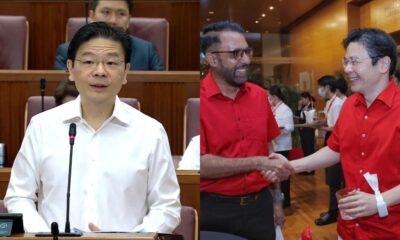
He was responding to questions from Associate Professor Jamus Lim, Workers’ Party Member of Parliament for Sengkang GRC.
Assoc Prof Lim sought clarification from DPM Wong on whether he still believes the timing of raising GST was justified, or if a postponement would have been wise, especially given the country’s bumper tax receipts from other sources in recent years.
He referenced a 2022 MAS macroeconomic review paper that attributed a significant portion of inflation to domestic drivers and contended that the decision to hike GST might have contributed to domestic inflation, citing global examples of VAT hikes sparking inflation.
Concerning the Base Erosion and Profit Shifting regime (BEPS), Assoc Prof Lim acknowledged the practicality of BEPS but expressed concern about a potential race to the bottom in tax policies.
His question to DPM Wong was about what the government would do if other countries decide to apply a tax top-up in response to a belief that Singapore’s Refundable Investment Credit (RIC) contravenes the spirit of the refundable tax credit scheme under BEPS.
Impact of GST is “not the key driver behind inflation spike”
In response, DPM Wong reiterated that both he and MAS have consistently communicated that the impact of the GST rise is not a prolonged one.
“If you look at the overall impact on inflation actually, we have seen the impact on that monthly inflation when GST went up, but if you look at the subsequent trends down the rest of the month, inflation continues to moderate as it has in other advanced economies.”
He defended that GST is not the key driver behind Singapore’s inflation spike and would not cause inflation to remain high, “this inflation trend happening globally, we are seeing similar trends in Singapore and our inflation rates are also coming down.”
DPM Wong reiterated that the government have deferred the impact on lower-income groups through the Assurance Package for the majority of Singaporeans.
He emphasized that the measures taken for low-income groups are not temporary but include enhanced permanent GST vouchers to prevent adverse effects on the poor in Singapore.
“I think our approach is, let’s do it correctly, let’s do it in good time, put in place to make sure that our fiscal system remains sound and always ensure that we have sufficient revenues to cover our spending.”
On BEPS, he confirmed that the RIC is compliant with BEPS rules, as discussed in BEPS conversations.
He Pointed out that refundable tax credits announced in the 2024 Budget, like the RIC, are allowed under BEPS’s rules, emphasizing that governments worldwide are adopting similar measures.
Allocating funds in government reserves for future commitments and spending needs
Earlier in his wrap-up speech, DPM Wong underscored the significance of allocating funds in government reserves to fulfill genuine commitments and anticipated spending requirements in the future.
MPs delved into fiscal matters during discussions, particularly addressing the implementation and repercussions of BEPS 2.0 Pillar Two rules for multinational enterprises (MNEs).
DPM Wong acknowledged the uncertainty surrounding the actual impact of BEPS 2.0 Pillar Two rules on Singapore’s corporate income tax revenue, despite estimates ranging from S$2 billion to S$11 billion.
The tangible effects of Pillar Two changes are expected to materialize only from FY2027.
“The reality is that MNEs have bargaining power and governments around the world are all finding ways to favour them and getting them to invest,” said DPM Wong.
Wong acknowledged Singapore’s need to play a strategic game to anchor crucial investments.
This rationale has led to the introduction of the Refundable Investment Credit scheme and increased spending to support new investments, research, and innovation.
DPM Wong cautioned that the Pillar Two changes, coupled with the delayed implementation of Pillar One, are not likely to generate significant additional net revenues on a sustained basis.
He acknowledged that Pillar One implementation will be revenue-negative for Singapore.
Addressing Singapore’s fiscal approach, DPM Wong stated that the country has achieved commendable social outcomes with relatively conservative public spending.