Community
Tiktoker highlights potential profiteering by retailers amidst GST hike of 1% to 9%
Singapore grapples with inflation as Goods and Services Tax (GST) hike was hiked to 9% on 1 Jan 2024. While retail giants absorb the increase, a TikToker shares his experience of how some local shops might exploit the situation with unjustified price hikes.

Singapore implemented a one-per cent increase in the Goods and Services Tax (GST) rate, bringing it to nine per cent starting from 1 January 1, 2024.
GST is a value-added tax applied to most supplies of goods and services, as well as on imported goods.
This decision to raise the GST rate was part of the country’s fiscal strategy outlined in the 2022 budget.
The increase was planned in two steps, with the rate moving from seven to eight per cent in 2023 and subsequently from eight to nine per cent in 2024.
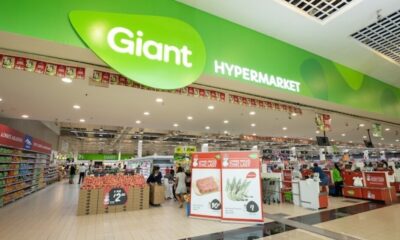
Giant, a prominent supermarket chain, has declared its commitment to absorbing the upcoming GST increase, demonstrating corporate responsibility.
In a similar vein, other major retail players like FairPrice Group and Sheng Siong supermarket chains have announced their plans to absorb the increase for specific products for a duration ranging from three to six months in 2024.
Despite these positive responses, there have been reports of certain local shops taking advantage of the GST increase to implement unjustified price hikes on essential products and services.
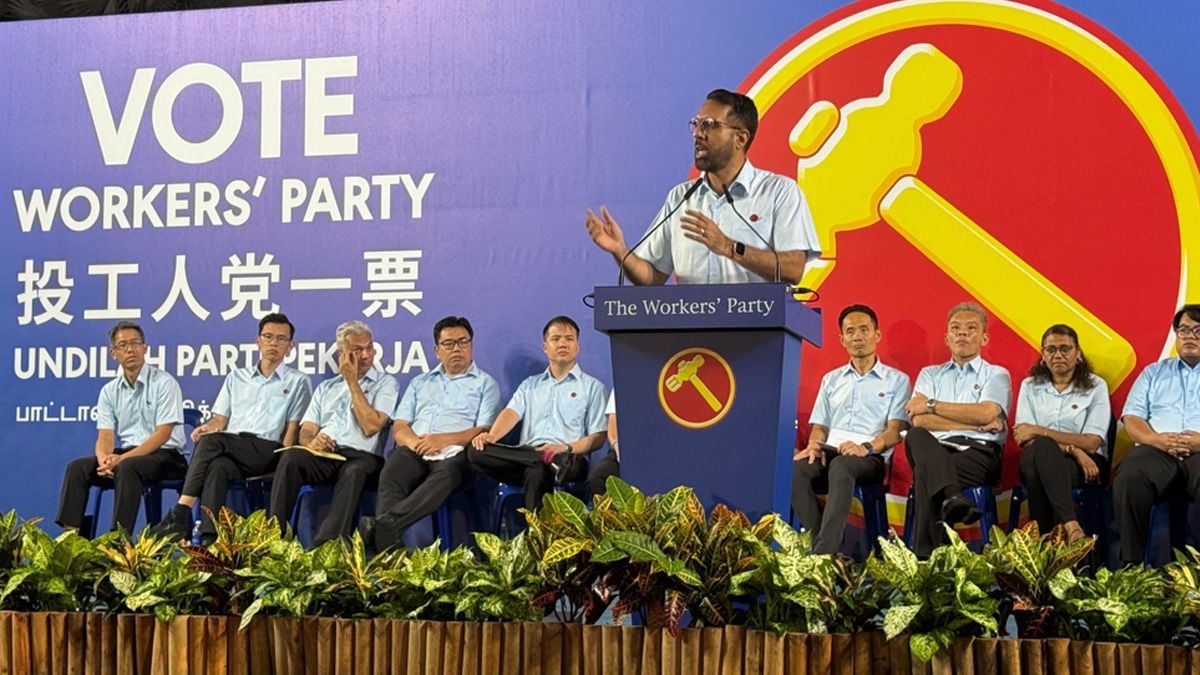
Assoc Prof Jamus Lim highlighted this concern in a Facebook post (9 Jan), noting instances where price jumps went beyond the expected one percent, ranging in the tens of cents.
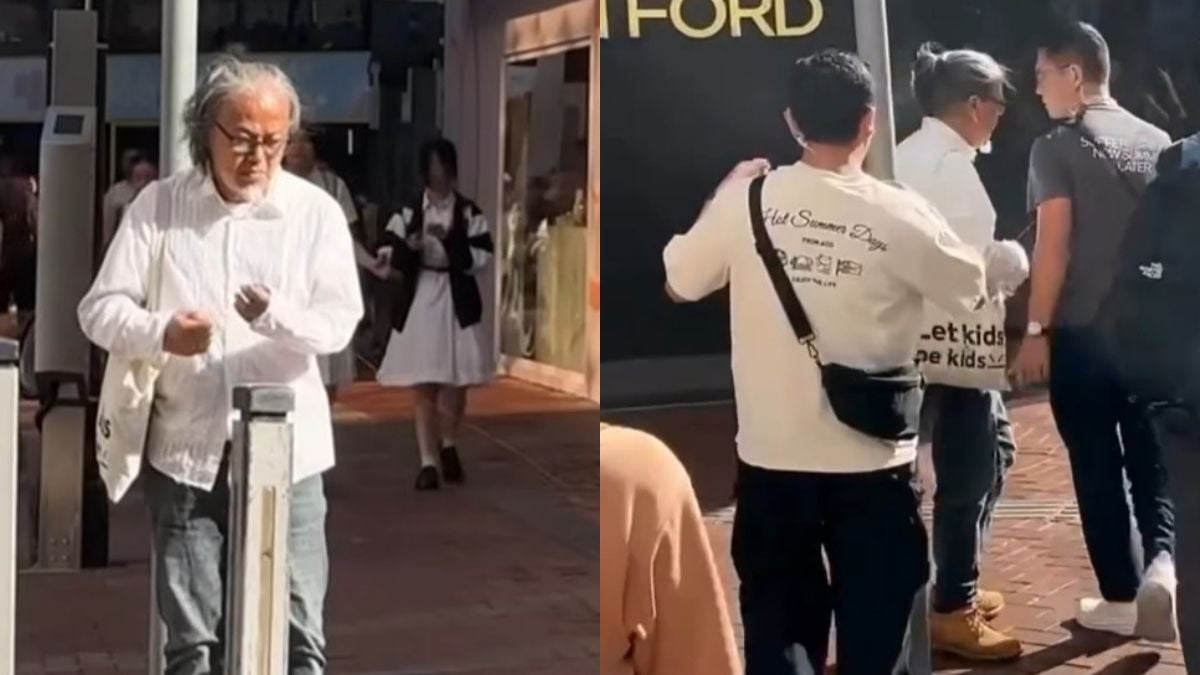
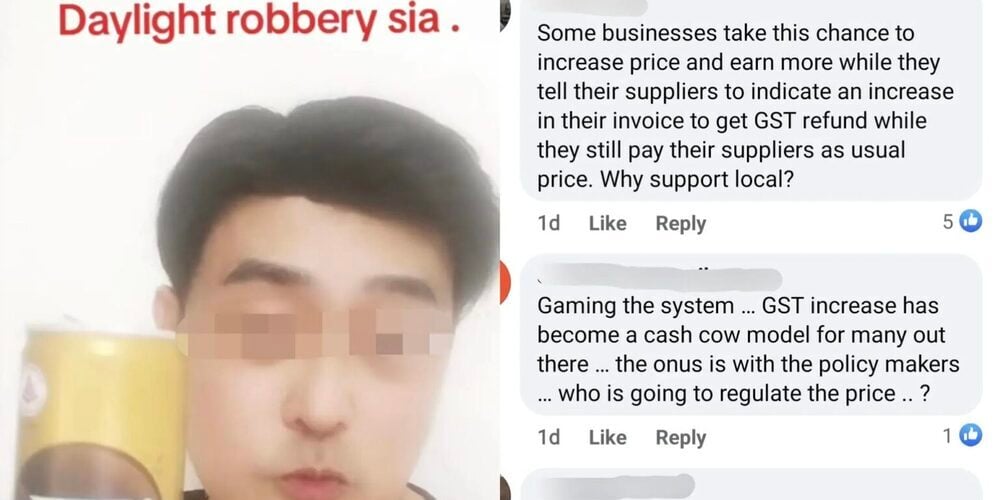
Addressing a specific incident, a TikTok user, “wusongjian123,” recounted a troubling experience at a local shop, which gained attention after his video was reposted on Complaint Singapore’s Facebook page on Wednesday (10 Jan).
In the video, the user expressed frustration, describing an almost victimizing encounter at a “mama shop.”
He shared how he purchased a can of Nescafe coffee, which typically costs $1.40, noting that other similar shops sell it for $1.20.
Passing by a shop in Chai Chee, he brought the item to the attention of the shopping assistant during payment.
To his surprise, the assistant informed him that the price had surged to $2.50. After a negotiation, the shop assistant eventually agreed to sell the coffee for $1.50.
The TikTok user concluded by highlighting the impact of the 1% GST increase, indicating that it prompted retailers, including restaurants and other businesses, to scrutinize and potentially raise their prices.
The user urged consumers to be vigilant and spend wisely in light of these changes.
Public raises alarms on GST impact as businesses reportedly exploit price hikes
Commenters on Complaint Singapore’s Facebook post voiced their concerns about the recent GST increase.
One user pointed out that some businesses seem to be taking advantage of the situation by not only raising prices but also manipulating invoices to claim higher GST refunds from suppliers while still paying them at the usual rate.

Another user shared a personal experience of buying from a seafood shop where the prices, previously 3 for $10 (including GST), have now become 3 for $11 and $12.
This user noted a significant increase of 10% to 20%, contrasting sharply with the anticipated 1% due to the GST hike.
A different user recounted a hawker’s perspective, stating that a hawker claimed a 20% increase in costs because his dish had twenty components, each supposedly rising by 1%.
The user contested this approach, suggesting that an overall 1% increase in the total cost should suffice.
However, the hawker insisted on the 20% hike, leading to a disagreement.
The user humorously suggested the government introduce a “skillsfuture Mathematics for Hawkers” course to ensure a better understanding of economic implications.

Singaporeans urged to report profiteering amidst GST hike
One user advised the original poster (OP) to report the issue, emphasizing that profiteering is not allowed in Singapore.

In Singapore, there is a Committee Against Profiteering (CAP) specifically established to investigate feedback concerning unjustified price increases of essential products and services using the Goods and Services Tax (GST) hike as a pretext.
The CAP encourages individuals to provide detailed information about errant businesses, including their name and location, as well as specifics about the product and price increase.
The CAP collaborates closely with various agencies such as the Competition and Consumer Commission of Singapore (CCCS), the People’s Association (PA), and the Consumers Association of Singapore (CASE).
They assess the feedback on unjustified price hikes, engaging with businesses when necessary to understand the reasons behind the price increases.
The CAP evaluates the explanations provided by businesses for the price increases to determine if they constitute profiteering on the GST hike.
Errant businesses found to be profiteering may be publicly disclosed as a measure to address such practices under the guise of the GST increase.
This article was first published on Gutzy Asia.